Connect with us
Why Defence Manufacturers matter to India's Military Strength
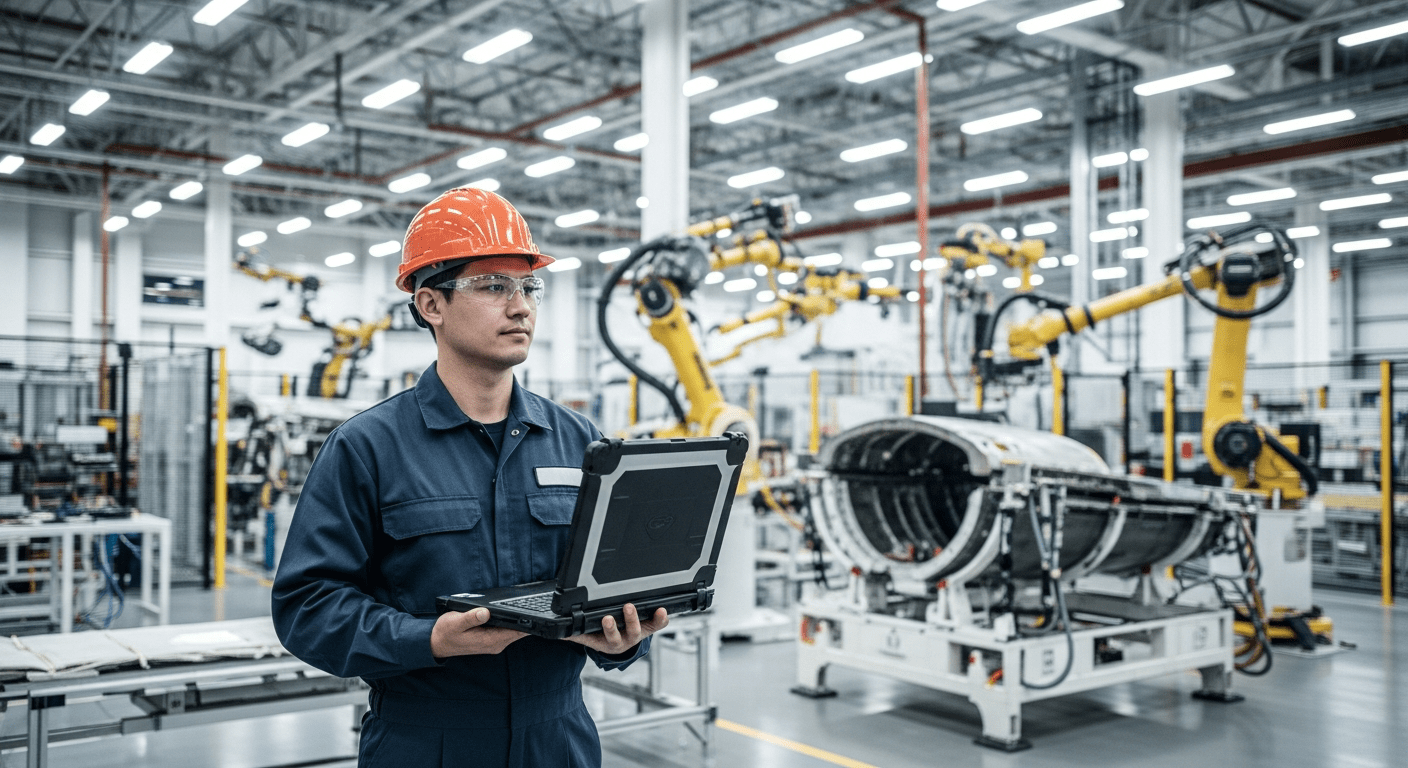
Defence manufacturers are companies and organizations that design, develop, produce, and maintain equipment, technologies, and systems used by a country's armed forces. In India, they play an important role in strengthening military readiness, supporting technological development, and reducing dependence on foreign defence supplies.
As defence requirements become increasingly technology-driven, India needs a strong domestic manufacturing ecosystem capable of supporting everything from aircraft and naval platforms to communication systems, drones, cybersecurity, and advanced weapons. A capable defence manufacturing sector also contributes to skilled employment, industrial growth, research, and strategic autonomy. Secure communication features are also important for enabling effective coordination across defence teams and operations.
This article explores why defence manufacturers matter to India's military strength, how domestic production supports national security, and why secure communication is an important part of modern defence operations.
What Is Defence Manufacturing
Defence manufacturing refers to the design, development, production, and maintenance of military equipment, weapons systems, vehicles, aircraft, naval platforms, communication technologies, and other defence-related products used by armed forces. It plays a critical role in national security by ensuring that military organizations have access to reliable, high-quality, and domestically produced equipment.
In India, defence manufacturing has become a key focus area under initiatives such as Atmanirbhar Bharat and Make in India, helping strengthen self-reliance, technological innovation, and strategic independence.
The Backbone of National Security
The manufacturing Community of the defence Industry is the heart of all three branches of our Armed Forces and it enables all branches of our Armed Services to function properly. Without a strong, independent manufacturing base, a country cannot protect itself or prepare for war without relying on foreign countries.
Indian Defence manufacturers are doing everything possible to ensure the fight for freedom of our soldiers through innovative technology and high-quality equipment. They realize that every single product they produce may spell the difference between victory or defeat, between defending the borders and inviting security threats.
This is also because the spare parts of nationally produced defense equipment, continuous maintenance support, and upgrade are available to our military forces without having to wait for foreign approvals or disruptions in supply chains. This is priceless operational independence in times of conflict or international tensions.
Economic Growth and Employment Generation
Defence manufacturing is a powerhouse for any economy, providing thousands of highly skilled jobs in everything from engineering and manufacturing to research and support services.
Key Economic Benefits:
- Direct Employment - Hundreds of thousands are directly employed in the defence plants.Ancillary Industries: Metallurgy, Electronics, Software Development, and Logistics Sectors.
- Technology Transfer - Advanced manufacturing techniques coming to the Indian shores.
- Export Potential: Indian defence products find markets abroad and bring in much-needed foreign exchange.
- Regional Development: Manufacturing facilities make regions into an industrial hub of activity
The multiplier effect is far away from the factory gates. For every job created in a defence plant, several more pop up in supplier firms and service providers, stolidly underpinning local economies.
Atmanirbhar Bharat: A Self-Reliant Journey
While the 'Atmanirbhar Bharat' initiative has brought defense manufacturing to the front and center of India's self-reliance mission, the effort at indigenization by the government has created unprecedented opportunities for both the public sector undertakings and private players.
The government's focus on indigenous production through the Make in India Defence initiative has accelerated domestic manufacturing capabilities and encouraged private sector participation.
That means India need not wait for foreign approvals during emergencies for defence manufacturing. It implies that our military planners can chalk out strategies knowing very well that equipment and ammunition will be available when needed. In fact, it represents true strategic autonomy where India controls its defence destiny.
The indigenous Tejas fighter aircraft, Arjun tanks, and BrahMos missiles have displayed the country's growing technological capabilities. These accomplishments demonstrate that Indian manufacturers and engineers can meet world standards if extended full support and resources.
Technological Innovation and Research Development
The defence manufacturers are viewed as driving technological innovation across a variety of domains. Research and development work done by them often leads to technologies finding applications in civilian sectors, effectively creating a virtuous cycle of innovation
Innovation Areas:
- Artificial Intelligence and Machine Learning for Autonomous Systems
- Advanced Materials Science of lighter, tougher components
- Cybersecurity Solutions for Protection of Critical Military Networks
- Drone Technology: Used for surveillance and combat operation.
- Electronic Warfare Systems against Modern Threats
- Space-based Assets: communication and intelligence gathering
The demanding requirements of the defense sector push the manufacturers to explore newer and advanced technologies. Solutions developed for the military make their way into civilian applications, enriching the whole ecosystem of innovation.
Strategic Autonomy and Diplomatic Leverage
Much diplomatic heft accrues when a country can make its own defence equipment. A stronger domestic defence manufacturing base can give India greater flexibility in its foreign policy by reducing dependence on individual external suppliers and strengthening its ability to manage supply-chain risks. This independence to pursue independently drafted foreign policy is invaluable in today's multipolar world.
Strategic autonomy means India has the leeway to make bold decisions on international issues, independent of concerns of defence supply cutoffs. As India becomes a defense exporter, it acquires new tools of diplomacy.
According to the Ministry of Defence, Government of India, strengthening indigenous defence production remains a key priority for enhancing national security and self-reliance.
Defence partnerships and equipment sales forge enduring relationships with partner nations, thus expanding its sphere of influence.
The Critical Role of Secure Communication in Defence Manufacturing
Today, the cybersecurity challenges faced by the manufacturers of defence are unparalleled. Obviously, the sensitivity of their work-classified designs, strategic information, and confidentiality of contracts impel the usage of communication platforms for which security is the number one concern.
Because defence manufacturers may handle sensitive technical, operational, and business information, consumer-oriented messaging tools may not provide the level of administrative control, deployment flexibility, data governance, and security management that some organizations require.
These platforms lack the access control, data sovereignty, and accountability mechanisms required by defense work.
Why Defence Manufacturers Require Dedicated Secure Communication Platforms
The making of defense items involves dynamic interaction among engineers, designers, procurement teams, quality assurance personnel, and military liaisons. This has resulted in enormous volumes of sensitive communication that must be protected against all kinds of cyber threats, industrial espionage, and unauthorized access.
Troop Messenger: Securing Communication around Defence Manufacturing
Troop Messenger provides a secure collaboration platform that can support organizations working with sensitive business and operational information.
For defense manufacturers working across state-run facilities, private companies, and joint ventures, Troop Messenger offers the security infrastructure necessary to keep classified communications safe.
Key Security Features:
Data Sovereignty and Control: Deploy in your data centers to ensure all sensitive communication remains within your controlled infrastructure.
Multisector Application: From arms manufacturing, shipyards, avionics, military shipbuilding to building submarines, its application extends everywhere.
Control Access and Permissions: Set detailed access permissions, limit functionality to control file sharing, and monitor usage behavior.
Secure communication across facilities : Enable real-time communications across dispersed teams without compromising security protocols.
Operational Advantages
Allows real-time communication to solve issues instantly.
Video & Audio Conferencing: Carry out face-to-face discussions without actual meetings.
Screen Sharing: Technical drawings and specifications were shared for better clarity
Advanced Search Functionality: Find any user, group, or conversation history instantly.
Message Recall & History - Get significant conversations made months ago
Burnout Feature: Allows messages to be configured for automatic deletion after a defined period, where appropriate for the organization's communication policies.
Conclusion
Defence manufacturers play an important role in India's military strength by supporting the production, maintenance, and development of the equipment and technologies required by the armed forces. Their contribution extends beyond defence readiness to areas such as skilled employment, industrial development, research, technological innovation, and export opportunities.
A stronger domestic manufacturing ecosystem can also improve strategic autonomy by reducing dependence on external suppliers and strengthening India's ability to manage supply-chain disruptions. Continued investment in research, skills, infrastructure, and private-sector participation will be important for building long-term defence capabilities.
As defence operations become increasingly connected and technology-driven, secure communication is another important consideration. Defence manufacturers need reliable ways to coordinate teams, share information, and manage collaboration while maintaining appropriate security and administrative controls. Together, strong manufacturing capabilities and secure digital infrastructure can support India's broader defence and strategic objectives.
Frequently Asked Questions (FAQs)
1. What is defence manufacturing?
Defence manufacturing is the design, development, production, and maintenance of equipment, systems, technologies, and components used by armed forces. It can include aircraft, vehicles, naval platforms, weapons systems, communication equipment, drones, cybersecurity technologies, and other military applications. A strong defence manufacturing sector helps a country develop domestic capabilities and maintain greater control over critical defence supplies.
2. Why is defence manufacturing important for India?
Defence manufacturing is important for India because it supports military readiness while reducing dependence on external suppliers for critical equipment and components. It also contributes to technological innovation, skilled employment, industrial development, and defence exports. A stronger domestic manufacturing ecosystem can improve supply-chain resilience and give India greater strategic flexibility when responding to changing security requirements and international conditions.
3. How does domestic defence manufacturing strengthen military readiness?
Domestic defence manufacturing can strengthen military readiness by improving access to equipment, components, maintenance, upgrades, and technical support. Producing more critical systems within the country can also reduce exposure to international supply-chain disruptions and external procurement delays. This allows defence organizations to develop capabilities and support systems that are better aligned with India's operational requirements and long-term security priorities.
4. How does defence manufacturing support India's economy?
Defence manufacturing contributes to the economy by creating skilled employment and supporting industries such as electronics, software, engineering, metallurgy, logistics, and advanced manufacturing. Investment in defence research can also encourage technological development with applications beyond the military sector. In addition, a competitive domestic industry can create opportunities for exports and strengthen regional industrial ecosystems around manufacturing facilities and suppliers.
5. What technologies are shaping modern defence manufacturing?
Modern defence manufacturing increasingly involves artificial intelligence, autonomous systems, drones, cybersecurity, electronic warfare, advanced materials, robotics, and space-based technologies. These technologies can improve areas such as surveillance, communication, mobility, intelligence, and operational efficiency. Defence manufacturers therefore need strong research and development capabilities to design systems that address evolving military requirements and increasingly complex technology-driven security environments.
6. Why is secure communication important for defence manufacturers?
Secure communication is important because defence manufacturers may exchange sensitive technical information, project details, operational data, and business communications across teams and facilities. A suitable communication platform can provide stronger access controls, administrative oversight, deployment flexibility, and data-management capabilities. These controls can help organizations reduce communication-related security risks while enabling engineers, managers, suppliers, and other teams to collaborate efficiently.