Connect with us
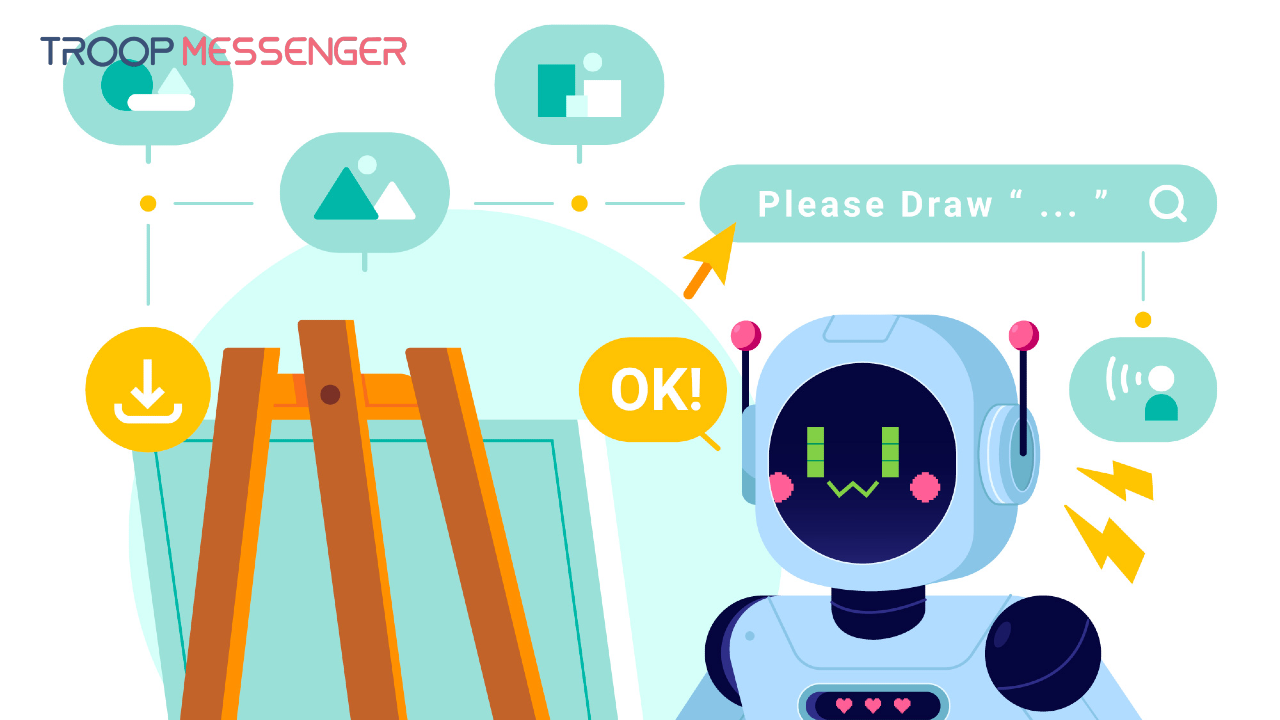
Why AI Image Generators Are Changing the Way Marketing Assets Are Created
Marketing has always depended on visuals. From ads and banners to social posts and landing pages, every campaign relies on how well it looks.
But the way these visuals are created is changing. Not long ago, building marketing assets meant working through long cycles. You had to plan, brief, design, review, and revise before anything went live. That process worked when timelines were longer and content demands were lower.
Now, marketing moves faster. Campaigns change quickly, audiences expect fresh content, and brands need to stay active across multiple platforms at once. This shift is pushing businesses to rethink how they create marketing visuals.
From structured production to flexible creation
Traditional marketing production followed a fixed structure. Teams would spend time perfecting a few key visuals and use them across campaigns. Today, that approach feels limiting.
Marketing now requires:
● Frequent updates
● Platform-specific formats
● Continuous testing
● Quick adjustments
With tools like Higgsfield AI, this shift becomes easier to manage. Using an advanced ai image generator, businesses can create visuals quickly without relying on long production cycles.
This is where Marketing assets are being redefined. Instead of being static and limited, they are becoming flexible and adaptable.
Speed is becoming a core requirement
Marketing teams don’t just need good visuals. They need them quickly. Campaigns often depend on timing. A delay in visuals can delay the entire campaign. An ai image generator helps remove that delay.
With Higgsfield AI, teams can generate visuals almost instantly and adjust them as needed. This allows them to move faster and keep up with changing demands. Speed is no longer a bonus. It’s expected.
Creating more assets without increasing complexity
Marketing campaigns now require more assets than before.
A single campaign might need:
● Social media visuals
● Ad creatives
● Website banners
● Email graphics
Producing all of these manually can become overwhelming. An ai image generator simplifies this process.
With Higgsfield AI, teams can create multiple assets quickly without increasing complexity. This allows them to manage larger campaigns more effectively. More output doesn’t have to mean more effort.
Allowing continuous creative testing
Modern marketing relies heavily on testing. Teams need to try different visuals to see what works best. This includes testing layouts, styles, and messaging.
An ai image generator makes this testing easier. With Higgsfield AI, teams can generate multiple versions of a visual and compare their performance.
This helps them:
● Improve campaign results
● Understand audience preferences
● Refine creative direction
Testing becomes faster and more efficient.
Reducing dependency on long design cycles
Design cycles often involve multiple steps and approvals. While this ensures quality, it can slow things down. An ai image generator reduces this dependency. With Higgsfield AI, teams can create and adjust visuals without waiting for long cycles.
This leads to:
● Faster execution
● Fewer delays
● More control over timelines
Marketing becomes more agile.
Supporting personalization at scale
Personalized marketing is becoming more important. Audiences respond better to content that feels relevant to them.
An ai image generator makes personalization easier. With Higgsfield AI, businesses can create variations of visuals tailored to different audiences. This allows them to deliver more targeted campaigns. Personalization becomes scalable instead of resource-heavy.
Keeping brand visuals consistent across campaigns
Consistency is important in marketing. Even as campaigns change, the brand should remain recognizable. An ai image generator helps maintain this consistency. With Higgsfield AI, teams can create visuals that follow the same style across different assets.
This ensures that:
● Branding stays aligned
● Campaigns feel connected
● Visual identity remains strong
Consistency becomes easier to manage.
Making quick updates without disrupting campaigns
Marketing campaigns often need adjustments. A change in messaging or strategy can require updates to visuals.
Traditional methods can make these updates slow. An ai image generator simplifies this. With Higgsfield AI, teams can update visuals quickly without restarting the process. This helps them stay responsive and keep campaigns running smoothly.
Expanding creative possibilities
Marketing is not just about delivering information. It’s about creating experiences.
An ai image generator allows teams to explore new creative possibilities. With Higgsfield AI, businesses can experiment with different styles and ideas without being limited by production constraints. This leads to more engaging and innovative campaigns
Learning from performance and improving assets
Marketing is driven by results.
Teams need to understand which visuals perform well and which don’t. An ai image generator helps apply these insights. With Higgsfield AI, teams can create new variations based on performance data and improve their assets over time.
Many teams also explore campaign performance insights to better understand how visuals impact results and refine their strategies. This continuous improvement strengthens marketing efforts.
Making asset creation more accessible
Not every business has a large marketing or design team. An ai image generator makes it easier for smaller teams to create high-quality assets.
With Higgsfield AI, businesses can produce visuals without needing extensive resources. This allows them to compete more effectively.
Supporting long-term marketing strategies
Marketing is not just about individual campaigns. It’s about long-term strategy. An ai image generator supports this by making asset creation more efficient and scalable. With Higgsfield AI, businesses can maintain a steady flow of content and adapt to changes over time.
This helps them build stronger and more consistent marketing strategies.
Conclusion
The way marketing assets are created is changing. Businesses need more visuals, faster production, and greater flexibility than ever before.
Traditional methods are not always built for this level of demand. An ai image generator provides a more practical approach.
With tools like Higgsfield AI, businesses can create, test, and refine marketing assets quickly while maintaining quality and consistency. Marketing assets are no longer static pieces of content. They are part of a dynamic system that evolves with campaigns and audiences.
And as marketing continues to move faster, the tools used to create these assets will play a bigger role in shaping how brands connect with their audience.



.png)