Connect with us
What Is Communication? Explained
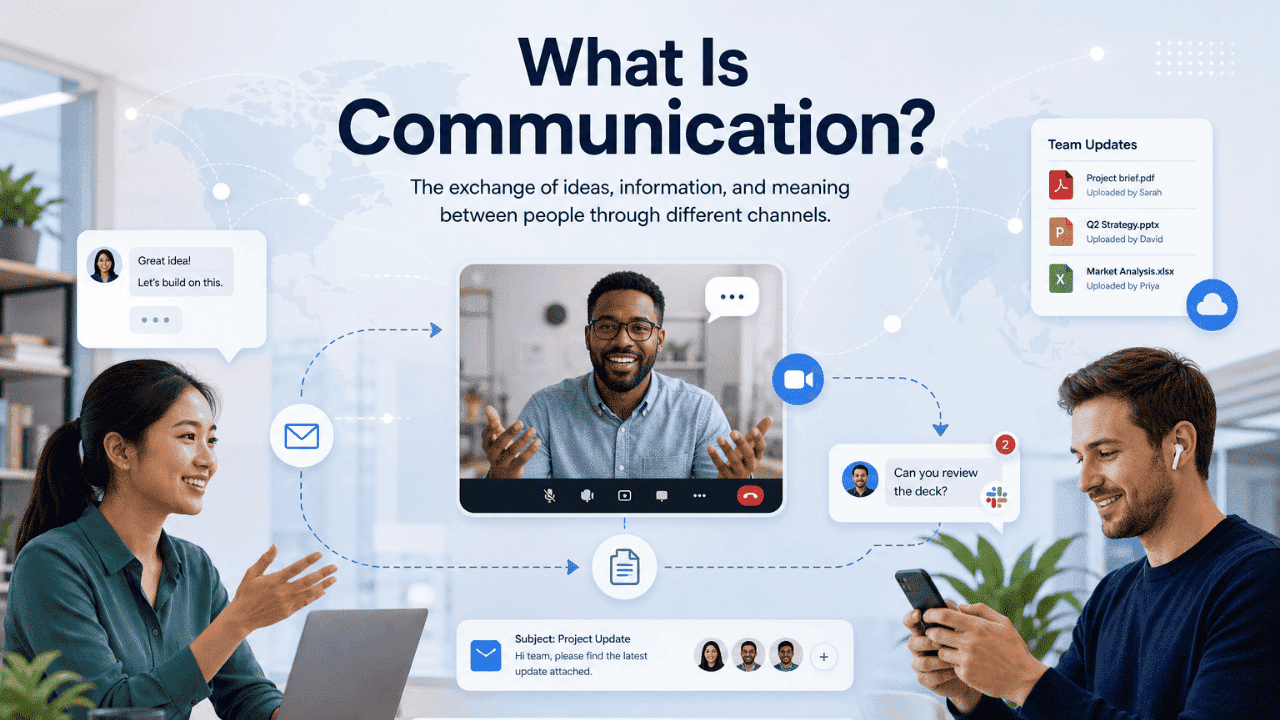
Communication is the process of exchanging information, ideas, thoughts, or feelings between individuals or groups in a way that creates shared understanding. It happens through speaking, writing, body language, visual elements, and even silence, making it one of the most fundamental parts of human interaction.
Communication sits at the center of every relationship, every workplace, and every decision we make with other people. Whether it's a quick text message, a nod across a room, or a formal business presentation, we are constantly exchanging information, often without realizing how frequently it happens. Understanding what communication is, and how it actually works, can help you become a clearer thinker, a better listener, and a more effective communicator.
This guide explains what communication is, why it matters, how the communication process works, the different types and styles of communication, common barriers, and practical ways to communicate more effectively in both personal and professional settings.
What Is Communication?
At its simplest, communication is the act of transferring information, ideas, thoughts, or feelings from one person (or group) to another in a way that is understood. It's not just about talking, it includes listening, observing, writing, and interpreting.
According to widely referenced academic sources includingcommunication, the concept covers verbal, nonverbal, and symbolic exchanges between living beings. Communication studies departments, such as the one atUniversity at Buffalo, define it as a continuous process rather than a single event, meaning it doesn't stop once words are spoken; it continues through feedback, reaction, and interpretation.
In short, communication is successful only when the intended message is received and understood the way the sender meant it to be. If the meaning gets lost somewhere between sender and receiver, communication has technically failed, even if words were exchanged.
Why Is Communication Important?
Communication is important because it is the foundation of every human interaction, personal, professional, or social. Here's why it matters so much:
- It builds trust and transparency between individuals and teams
- It reduces misunderstandings and workplace conflict
- It improves collaboration, especially in remote or hybrid teams
- It strengthens relationships by making people feel heard
- It drives better decision-making through clear information sharing
- It supports leadership, since strong communication skills are often what separates good managers from great ones
Without effective communication, even the best ideas can be misunderstood, delayed, or ignored entirely. This is why organizations invest heavily in communication skills training, feedback systems, and internal communication channels to keep everyone aligned.
The Communication Process (7 Key Elements)
Every act of communication, no matter how simple, follows a structured process. Understanding these seven elements can help you identify exactly where communication breaks down.
- Sender – The person or entity initiating the message
- Message – The actual information, idea, or feeling being conveyed
- Channel – The medium used to deliver the message (spoken word, email, video call, etc.)
- Receiver – The person or group the message is intended for
- Feedback – The receiver's response, confirming (or denying) understanding
- Noise – Any interference that distorts or blocks the message (technical issues, distractions, language barriers)
- Context – The environment, culture, or situation in which communication takes place
When any one of these elements is disrupted, the entire message can be misinterpreted. For example, poor internet connection (noise) during a video call can distort tone, while cultural context can completely change how a phrase is received.
Types of Communication
Communication isn't a single skill, it takes several distinct forms, each suited to different situations.
Verbal Communication
Verbal communication involves spoken words, whether face-to-face, over the phone, or during a meeting. It relies heavily on tone, pace, and clarity. According to a detailed breakdown of verbal communication byCoursera, strong verbal communicators tend to organize their thoughts before speaking and adjust their tone based on the listener.
Nonverbal Communication
This includes body language, facial expressions, posture, and eye contact. Studies suggest a significant portion of meaning in face-to-face conversations comes from nonverbal cues rather than the words themselves.
Written Communication
Emails, reports, chat messages, and documentation fall under written communication. It requires more precision than spoken communication since there's no tone or body language to clarify intent.
Visual Communication
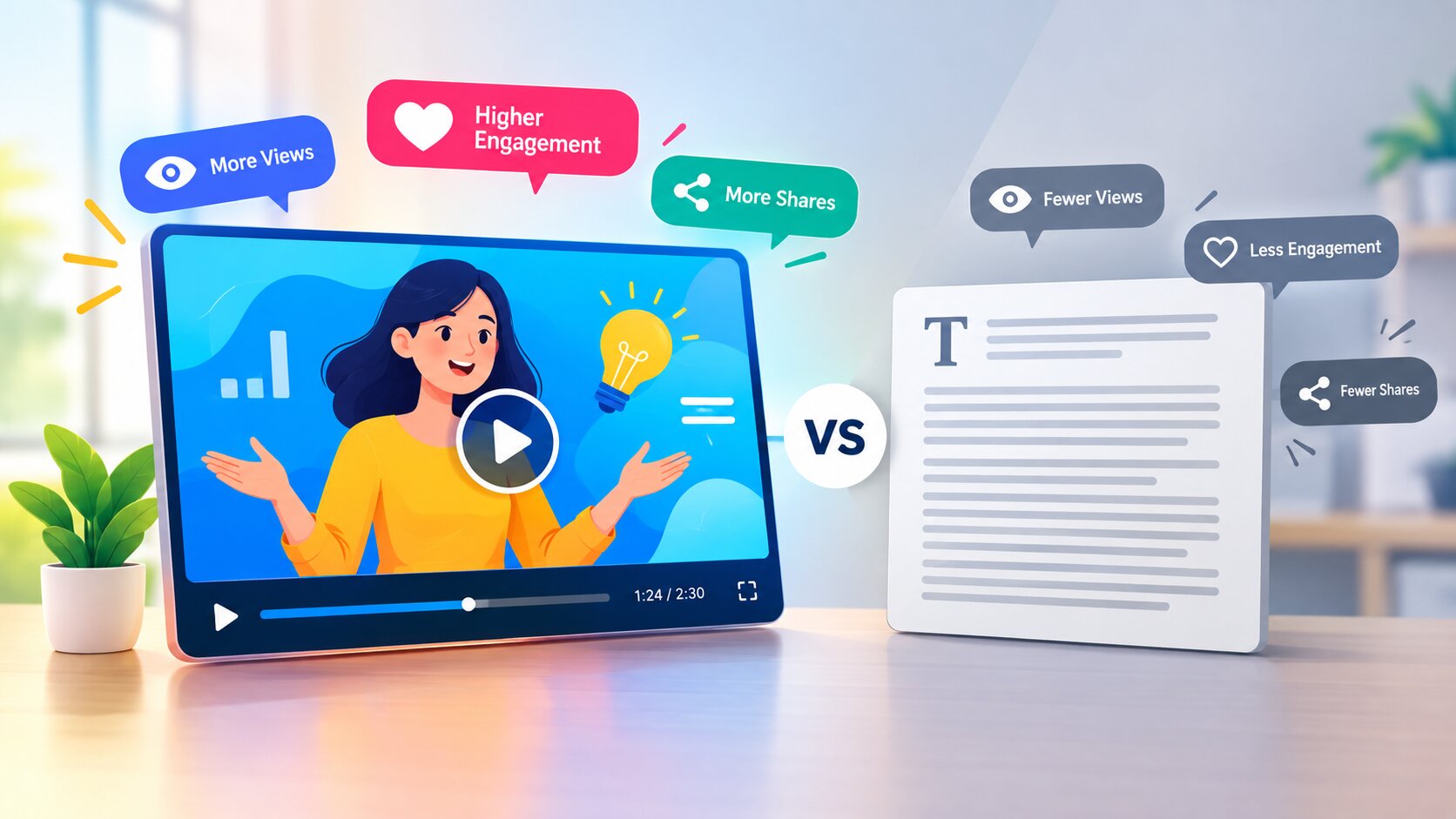
Visual communication uses images, charts, infographics, and videos to convey information quickly. As explained byFalmouth University, visuals can often communicate complex ideas faster than text alone, which is why they're widely used in marketing and education.
Oral Communication
Oral communication overlaps with verbal communication but specifically refers to spoken exchanges like presentations, speeches, and interviews, where delivery and confidence play a major role.
Communication types at Glance
| Type | Best Used For | Example |
| Verbal | Conversations & Meetings | Team discussion |
| Nonverbal | Expressing emotions | Facial expressions |
| Written | Documentation | Email, Reports |
| Visual | Explaining complex ideas | Charts, Infographics |
| Digital | Remote collaboration | Chat, Video Calls |
Communication Based on Context/Setting
Beyond format, communication also varies depending on who it's between and where it happens.
Interpersonal Communication
What is interpersonal communication? It's the direct exchange of information between two or more people, typically face-to-face. It's the foundation of relationships, teamwork, and everyday social interaction.
Intrapersonal Communication
This is the internal dialogue we have with ourselves, our thoughts, self-talk, and personal reflection. It shapes how we process emotions and prepare for external conversations.
Mass Communication
Mass communication refers to spreading information to a large audience at once, typically through television, radio, newspapers, or social media platforms.
Business Communication
Business communication covers everything from internal memos to client presentations. Choosing the rightcommunication channels for business can significantly improve how efficiently teams collaborate and how clearly information travels across departments.
Digital Communication
With remote work on the rise, digital communication, through emails, chat apps, and video calls, has become essential. Teams increasingly rely on a dedicatedemployee communication app to keep conversations organized, searchable, and secure, especially when managing distributed workforces.
Intercultural Communication
This type focuses on exchanging information between people from different cultural backgrounds, where language, customs, and nonverbal cues can vary significantly.
Communication Styles
Formal Communication vs Informal Communication
Formal communication follows established channels and protocols, think official emails or business reports. Informal communication is casual and spontaneous, like a quick chat between colleagues.
Open Communication
Open communication encourages transparency, where team members feel safe sharing feedback, concerns, or ideas without fear of judgment. It's often associated with stronggroup communication and healthier workplace culture.
Assertive Communication
What is assertive communication? It's a style where a person expresses their thoughts, needs, and boundaries clearly and respectfully, without being passive or aggressive. It's widely considered the healthiest communication style for resolving conflict.
What Makes Communication Effective?
What is effective communication, really? It's communication that is clear, concise, and understood exactly as intended. Effective communicators typically:
- Listen actively instead of just waiting to speak
- Use simple, direct language instead of jargon
- Pay attention to nonverbal cues and tone
- Ask clarifying questions to confirm understanding
- Adapt their message based on the audience
- Provide and welcome constructive feedback
Effective communication isn't about talking more, it's about making sure the right message lands with the right meaning, every time.
Common Communication Breakdowns and How to Fix Them
Even well-intentioned conversations can go wrong. Here are common breakdowns and simple fixes:
- Assumptions – Don't assume the other person understands context; ask questions instead
- Poor listening – Practice active listening instead of planning your response while someone talks
- Information overload – Break complex messages into smaller, digestible parts
- Lack of feedback – Always confirm the message was received and understood correctly
- Cultural or language gaps – Be mindful of tone, idioms, and cultural context
- Wrong channel choice – Match the medium to the message (a sensitive topic deserves a call, not a text)
Fixing these issues often comes down to slowing down, listening more, and confirming understanding before moving forward.
Specialized Communication Types
Some communication scenarios require a highly specific approach:
- What is crisis communication in management?It refers to how organizations communicate during emergencies, PR issues, or unexpected disruptions, prioritizing transparency, speed, and accuracy to maintain trust.
- What is healthy communication?It's communication built on respect, honesty, and active listening, where both parties feel heard without resorting to blame or defensiveness.
These specialized forms show that communication skills aren't one-size-fits-all, they need to be adapted to the situation at hand.
Conclusion
So, what is communication, in the end? It's far more than exchanging words, it's the process of sharing meaning clearly enough that another person truly understands it. From verbal and nonverbal cues to digital tools and crisis response, communication touches every part of our personal and professional lives. By understanding its process, types, and common pitfalls, you can build stronger relationships, lead better teams, and avoid the misunderstandings that quietly damage trust.
Frequently Asked Questions
Q1: What is communication in simple words?
Communication is the process of sharing information, thoughts, or feelings between people so that both sides understand the intended meaning. It can happen through speech, writing, body language, or visuals. Effective communication requires a sender, a clear message, a suitable channel, and a receiver who interprets it correctly. Without mutual understanding, an exchange of words isn't truly considered complete communication, even if information was technically shared between both parties involved.
Q2: What are the 4 main types of communication?
The four main types are verbal, nonverbal, written, and visual communication. Verbal involves spoken words, while nonverbal relies on body language and facial expressions. Written communication includes emails and documents, and visual communication uses images, charts, or videos to convey ideas. Together, these types cover nearly every way humans exchange information, whether face-to-face, digitally, or through printed and visual formats in daily life.
Q3: Why is communication important in the workplace?
Workplace communication is important because it reduces misunderstandings, builds trust, and improves collaboration across teams. Clear communication helps employees understand expectations, deadlines, and feedback, which boosts productivity. It also strengthens leadership, since managers who communicate well tend to build more engaged teams. Poor communication, on the other hand, often leads to missed deadlines, conflict, and low morale, making strong communication skills essential for every workplace role.
Q4: What is the difference between verbal and nonverbal communication?
Verbal communication involves spoken or written words, while nonverbal communication includes body language, tone, facial expressions, and gestures. Verbal communication conveys the literal message, while nonverbal cues often reveal emotions, confidence, or sincerity behind those words. Studies suggest people rely heavily on nonverbal signals to interpret true meaning, especially during face-to-face conversations, making both types equally important for accurate, effective communication in personal and professional settings.
Q5: What is assertive communication and why does it matter?
Assertive communication is a style where someone expresses their thoughts, needs, and boundaries clearly and respectfully, without being passive or overly aggressive. It matters because it helps resolve conflicts calmly, builds mutual respect, and encourages honest dialogue. People who communicate assertively are often seen as confident and trustworthy, since they express themselves directly while still valuing the other person's perspective, making it a key professional and personal life skill.