Connect with us
The Role of Cyber Hygiene in Preventing Data Breaches
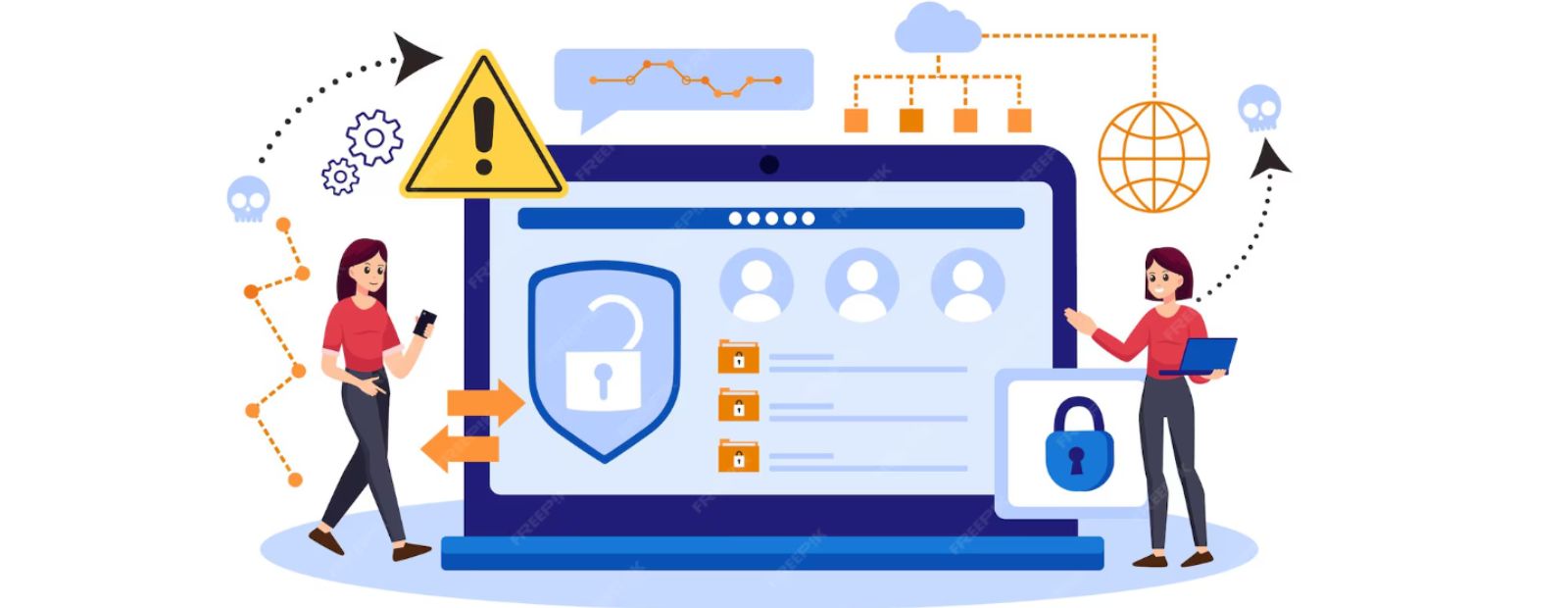
Cyber hygiene is the set of routine practices used to protect devices, accounts, networks, applications, and data from common cybersecurity risks. It includes maintaining software updates, using strong authentication, managing access, recognizing suspicious communications, protecting networks, and regularly backing up important data.
Poor cyber hygiene can create opportunities for attackers to exploit vulnerabilities, compromise accounts, access sensitive information, or disrupt business operations. While no single practice can eliminate the risk of a data breach, consistent security measures can reduce exposure and strengthen an organization's overall security posture.
This article explores the importance of cyber hygiene in protecting sensitive information, the key practices businesses should follow, the risks associated with poor cyber hygiene, and practical ways to maintain stronger cybersecurity habits.
The Importance of Cyber Hygiene in Preventing Data Breaches
Cyber hygiene helps organizations establish consistent security practices for protecting systems, accounts, networks, and sensitive information. These practices can reduce common security weaknesses and make it more difficult for attackers to exploit preventable gaps.
Protecting sensitive data and personal information
Organizations should protect sensitive customer, employee, financial, and business information using appropriate security controls. Encryption can help protect data from unauthorized access when it is stored or transmitted, while access controls can limit sensitive information to users who require it for legitimate business purposes.
Organizations should also monitor relevant systems and security logs for unusual activity. Regular monitoring can help teams identify potential security incidents earlier and investigate suspicious behavior before it develops into a larger problem.
Safeguarding business operations and reputation
Cyber hygiene can support business continuity by reducing common security weaknesses that may lead to system disruption, unauthorized access, or data loss. Practices such as timely software updates, strong authentication, access controls, monitoring, and reliable backups can help organizations prepare for and respond to security incidents.
A data breach can also affect customer trust and business reputation, particularly when sensitive information is exposed. Clear security policies and consistent protection practices demonstrate that an organization takes information security seriously and can support stronger risk management.
Preventing financial losses and legal consequences
Data breaches can create financial and operational costs through incident investigation, system recovery, customer notification, legal processes, remediation, and potential regulatory obligations. The actual impact varies depending on the type of information involved, the scale of the incident, the applicable regulations, and the organization's response.
Cyber hygiene cannot eliminate these risks, but practices such as access management, patching, employee awareness, monitoring, and secure backups can help organizations reduce avoidable security weaknesses and improve their preparedness for potential incidents.
Key Elements of Effective Cyber Hygiene
Effective cyber hygiene consists of consistent security practices that help organizations protect accounts, devices, networks, applications, and data. These practices should be incorporated into everyday IT operations rather than treated as one-time security activities.
Strong password management
Use long, unique passwords or passphrases for different accounts and avoid predictable information such as names, birthdays, or commonly used words. Reusing the same password across multiple services can increase the potential impact of a compromised credential.
Password managers can help users create and securely store unique credentials. Organizations should also implement multi-factor authentication (MFA) for appropriate accounts and require compromised or exposed passwords to be changed promptly. Strong authentication practices can reduce the risks associated with stolen or reused credentials.
Regular software updates and patching
Keeping operating systems, applications, browsers, security tools, and other software updated is an important part of cyber hygiene. Software updates frequently include security fixes for known vulnerabilities, making timely patch management an important part of reducing exposure to known threats.
Organizations should maintain an inventory of their software and devices, monitor available security updates, and prioritize patches based on factors such as vulnerability severity, system importance, and available exploitation information.
Automated patch-management tools can help IT teams identify missing updates and streamline appropriate deployment workflows. However, critical updates should still be tested and managed according to the organization's operational requirements.
A consistent patch-management process helps reduce the number of known vulnerabilities that attackers may attempt to exploit.
Safe browsing and email practices
Safe browsing and email practices can help reduce exposure to phishing, malicious downloads, fraudulent websites, and other common online threats.
- Avoid clicking unexpected links. Verify the destination before opening unfamiliar URLs.
- Check email senders carefully. Attackers may use lookalike domains, compromised accounts, or impersonation techniques.
- Avoid opening unexpected attachments. Confirm suspicious requests through a trusted communication channel before downloading files.
- Look for HTTPS when entering sensitive information online. HTTPS helps encrypt data transmitted between your browser and the website, but it does not by itself confirm that a website is legitimate.
- Use appropriate security controls when connecting through public or untrusted networks. A VPN can provide additional protection for network traffic, but it should be combined with other security measures.
- Train employees to recognize phishing and social engineering attempts.
- Keep browsers and security software updated and use appropriate browser protections.
- Report suspicious emails, links, attachments, and other communications through the organization's established security process.
These practices can reduce common user-related security risks when combined with appropriate technical controls and employee awareness.
Network security measures
Network security measures help organizations control access to network resources, monitor activity, and identify potential security issues.
- Conduct regular vulnerability assessments to identify weaknesses that require remediation.
- Use firewalls and other network security controls to filter and restrict unwanted traffic according to defined security policies.
- Implement intrusion detection or prevention capabilities where appropriate to identify suspicious network activity and support timely investigation or response.
- Apply least-privilege access controls so users receive only the access required for their responsibilities.
- Use secure remote-access solutions for employees and other authorized users working outside the organization's network.
- Monitor network activity and investigate unusual patterns or security events.
- Secure wireless networks using appropriate authentication and encryption protocols, and maintain secure configurations.
Network security works most effectively as part of a broader security strategy that includes endpoint protection, identity management, vulnerability management, monitoring, and incident response.
Data backup and recovery protocols
Data loss can weaken businesses significantly. Having reliable data backup and recovery protocols is a necessity.
- Schedule backups according to business recovery requirements. Critical systems may require more frequent backups, while less critical information may follow a different schedule.
- Store backups in secure locations. Use both local servers and cloud storage for greater redundancy.
- Test recovery procedures frequently. Simulating outages ensures the system functions properly when needed most.
- Encrypt backup data to prevent unauthorized access. This step protects sensitive information from breaches.
- Use automated tools to simplify backup processes. These tools reduce errors and save time.
- Keep multiple backup versions. This helps restore systems to specific points before issues develop.
- Monitor backup systems for failures. Alerts and regular checks identify potential problems early.
- Document recovery steps in simple terms. Document recovery procedures clearly and test them periodically to verify that backups can be restored when required.
The Impact of Poor Cyber Hygiene
Poor cyber hygiene can increase an organization's exposure to common cybersecurity risks. Weak authentication, unpatched software, excessive access privileges, unsafe online behavior, and inadequate backups can create security gaps that attackers may attempt to exploit.
Increased vulnerability to cyberattacks
Poor cyber hygiene creates opportunities for hackers to take advantage of weaknesses. Outdated software, weak passwords, and unchecked phishing emails serve as easy entry points. Cybercriminals exploit vulnerabilities to access sensitive information or interfere with business operations.
A single breach can result in significant financial losses in recovery and damages. Small businesses often face the greatest challenges since resources may be insufficient for managing the fallout.
Neglecting to implement cybersecurity measures leaves systems vulnerable to ongoing threats like malware infections and data breaches. Breached systems can cause serious problems with data reliability and privacy.
Compromised data integrity and confidentiality
Cybercriminals exploit weak cybersecurity to modify or steal sensitive information. This can result in corrupted files, unauthorized access, and data leaks. Businesses encounter risks such as altered financial records or exposed customer information. Such breaches damage trust and interrupt operations.
Protecting data requires multiple controls, including appropriate access permissions, authentication, encryption, monitoring, secure backups, and employee awareness. These measures can help organizations protect the confidentiality and integrity of information while reducing the potential impact of unauthorized access or modification.
Regulatory and compliance risks
Cyber hygiene can also contribute to an organization's compliance efforts. Data-protection and cybersecurity requirements may require organizations to maintain appropriate safeguards for personal, financial, health, or other sensitive information.
Weak security practices can increase the likelihood of unauthorized access and may create compliance concerns when organizations fail to meet applicable requirements. However, specific obligations and penalties vary by jurisdiction, industry, organization size, data type, and the circumstances of an incident.
Organizations should identify the regulations and contractual requirements that apply to their operations and align security practices accordingly.
Best Practices for Maintaining Cyber Hygiene
Maintaining cyber hygiene requires consistent security practices across people, processes, devices, applications, and data. Organizations should regularly review their controls and update them as business requirements and security risks change.
Developing comprehensive cybersecurity policies
Organizations should establish clear cybersecurity policies covering areas such as password management, access control, data handling, acceptable technology use, incident reporting, remote access, and security awareness.
Policies should define responsibilities, escalation procedures, and expectations for protecting sensitive information. They should also be reviewed periodically to reflect changes in technology, business operations, regulatory requirements, and security risks.
Clear policies provide employees and IT teams with consistent guidance for managing security-related activities.
Conducting regular security audits and assessments
Regular security assessments can help organizations identify vulnerabilities, configuration issues, excessive permissions, outdated software, and other weaknesses.
Organizations should use appropriate assessments based on their risk profile and environment. These may include vulnerability assessments, configuration reviews, access reviews, penetration testing, and security audits.
Findings should be documented, prioritized according to risk, assigned to responsible teams, and tracked through remediation. Periodic reassessment can help determine whether identified weaknesses have been appropriately addressed.
Employee training and awareness programs
Employees play an important role in maintaining an organization's cyber hygiene. Regular security awareness training can help them recognize phishing attempts, suspicious links, social engineering techniques, unsafe attachments, and other common risks.
Training should be practical and updated periodically to reflect current organizational processes and relevant threats. Employees should also have a clear way to report suspicious activity without hesitation.
A security-aware workforce can complement technical controls and help organizations respond more effectively to potential security incidents.
Implementing security frameworks and standards
Cybersecurity frameworks and standards can provide organizations with structured approaches for identifying, managing, and reducing security risks. Frameworks and standards such as NIST guidance, ISO/IEC 27001, and CIS Controls can help organizations organize security practices according to their specific requirements.
Organizations should select frameworks or standards that align with their industry, regulatory obligations, risk profile, and business objectives. These approaches can also help identify gaps, establish security priorities, document controls, and support continuous improvement.
How Poor Cyber Hygiene Can Contribute to Data Breach Risk
Data breaches can result from different combinations of technical weaknesses, compromised credentials, social engineering, misconfigurations, vulnerabilities, and other security failures. Poor cyber hygiene can increase exposure to some of these risks when organizations fail to maintain appropriate security practices.
For example, reused or compromised passwords can increase the risk of account takeover, while unpatched software can leave known vulnerabilities available for exploitation. These examples demonstrate why organizations should treat cyber hygiene as an ongoing process involving authentication, patch management, employee awareness, access controls, monitoring, and data protection.
Conclusion
Cyber hygiene provides a practical foundation for reducing common cybersecurity risks and protecting sensitive business information. Practices such as strong authentication, timely software updates, safe browsing, network security, secure backups, employee awareness, and regular security assessments can help organizations reduce avoidable weaknesses.
However, cyber hygiene is not a one-time activity or a guarantee against data breaches. Organizations need to review their security practices regularly, adapt them to changing risks, and combine everyday security habits with appropriate technical controls, policies, monitoring, and incident response processes.
By making cybersecurity part of everyday operations, businesses can improve their readiness to identify potential weaknesses, respond to security incidents, and protect the confidentiality, integrity, and availability of important information.
Frequently Asked Questions
1. What Is Cyber Hygiene?
Cyber hygiene refers to the routine practices organizations and individuals use to protect devices, accounts, networks, applications, and data from common cybersecurity risks. It includes activities such as using strong authentication, installing security updates, managing access permissions, recognizing phishing attempts, protecting networks, backing up important data, and reviewing security controls regularly to reduce preventable weaknesses.
2. How Does Cyber Hygiene Help Prevent Data Breaches?
Cyber hygiene can help reduce the security weaknesses that attackers commonly exploit, such as reused passwords, unpatched software, excessive access privileges, unsafe email behavior, and inadequate backups. It cannot guarantee that a breach will not occur, but consistent security practices can reduce exposure to common threats and improve an organization's ability to detect, respond to, and recover from security incidents.
3. What Are the Most Important Cyber Hygiene Practices?
Important cyber hygiene practices include using unique passwords and multi-factor authentication, keeping software and systems updated, applying appropriate access controls, training employees to recognize phishing, protecting networks and endpoints, monitoring security activity, maintaining tested backups, and conducting regular security assessments. Organizations should prioritize these practices according to their specific systems, data, regulatory obligations, business requirements, and overall risk profile.
4. How Often Should Cyber Hygiene Practices Be Reviewed?
Cyber hygiene should be maintained continuously rather than reviewed only once a year. Organizations should monitor security events, apply relevant updates, review access permissions, maintain backups, and provide security awareness training on an ongoing basis. Formal security assessments can be scheduled according to risk, regulatory requirements, infrastructure changes, and organizational needs. Critical controls may require more frequent review.
5. Can Good Cyber Hygiene Completely Prevent Data Breaches?
No. Good cyber hygiene can reduce exposure to common vulnerabilities and security mistakes, but it cannot completely eliminate the possibility of a data breach. Attackers may exploit sophisticated techniques, previously unknown vulnerabilities, compromised third-party systems, or other weaknesses. Organizations should combine cyber hygiene with layered security controls, monitoring, incident response planning, employee awareness, and regular security assessments.
6. Why Is Employee Training Important for Cyber Hygiene?
Employees interact with email, applications, devices, accounts, and business information every day, making security awareness an important part of cyber hygiene. Training can help employees recognize phishing, suspicious links, social engineering, unsafe attachments, and unusual requests. Regular, practical training also gives employees clearer guidance on reporting potential incidents and following organizational security procedures.