Connect with us
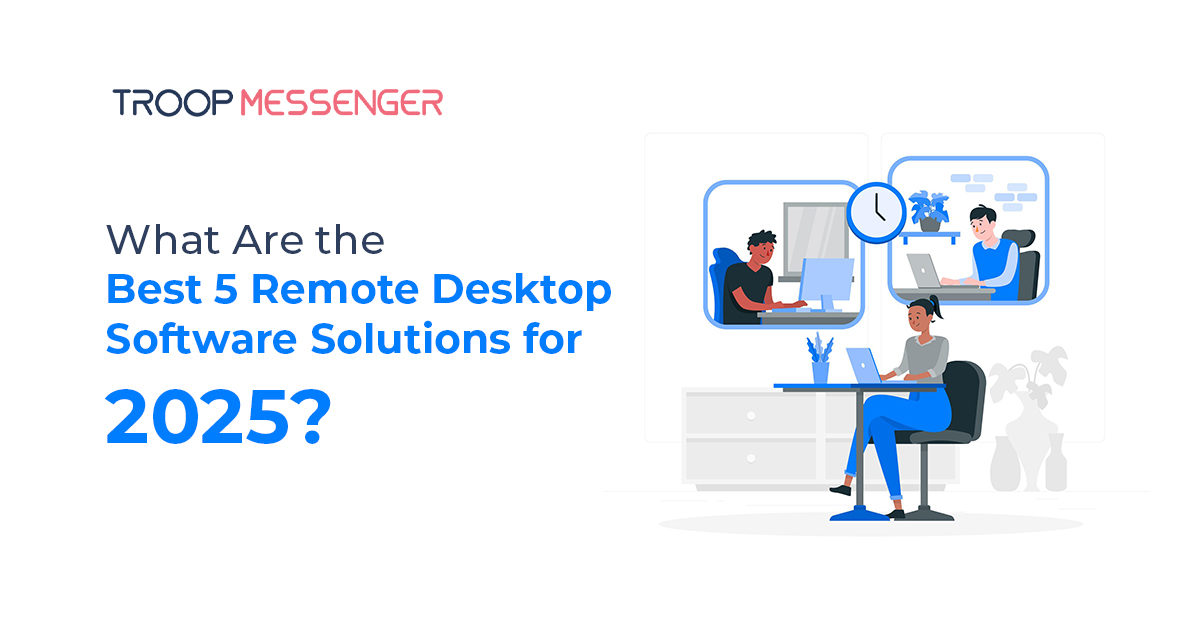
What Are the Best 5 Remote Desktop Software Solutions for 2025?
In today’s fast-paced digital environment, remote desktop software has become an essential tool for businesses, IT teams, and remote workers. These solutions allow users to access and control computers from different locations, making remote IT support, troubleshooting, system maintenance, and work-from-anywhere access more efficient.
Whether you need remote access software for personal use, remote management software for IT operations, or business-focused remote desktop software, choosing the right solution depends on factors such as security, performance, device compatibility, collaboration features, and pricing. In this guide, we compare five popular remote desktop software solutions in 2026 and highlight their key features, use cases, and suitability for different types of users.
What Is Remote Desktop Software?
Remote desktop software allows users to remotely access and control a computer or other supported device from another location. Depending on the solution, users can view the remote screen, control the keyboard and mouse, transfer files, provide technical support, or access applications and systems without being physically present.
Remote desktop tools are commonly used for IT support, remote work, troubleshooting, system administration, training, and accessing office computers from outside the workplace.The best remote desktop software typically combines reliable performance, strong security controls, broad device compatibility, and an easy-to-use interface.
Why Use Remote Desktop Software in 2026?
With the growing demand for hybrid offices and global teams, remote software is more important than ever. Companies rely on these tools to:
- Improved productivity: Immediate access to productivity everywhere.
- Cost savings: Reduced travel and on-site support.
- Data Security: Secure access to sensitive information.
Below, we review the top remote desktop applications that promise exceptional performance and reliability by 2026.
1. Troop Messenger
Troop Messenger is a business communication and collaboration platform that includes remote access capabilities alongside messaging, audio and video calling, file sharing, and screen sharing. This combination can be useful for teams that want communication and remote support capabilities within a single workplace platform
Special Features:
- Multi-Device Support: Connects seamlessly with devices.
- Secure Remote Desktop Access: Uses end-to-end encryption to protect data.
- Integrated communication tools: chat, video calls, and screen sharing are all in one place.
- Strong Performance: Handle increased workload without delay.
Why Consider Troop Messenger?
Troop Messenger may be suitable for businesses that want remote access capabilities alongside their everyday team communication and collaboration tools. This can reduce the need to switch between separate applications for communication and remote support.
2. TeamViewer
TeamViewer is a well-known remote access and support platform used for remote troubleshooting, IT support, and accessing devices from different locations. It supports remote connections across multiple device types and includes tools for both attended and unattended acce
Special Features:
- Cross-platform access: Supports remote connections across computers and mobile devices.
- Remote device control: Remotely access and control supported devices.
- Unattended access: Access approved devices without requiring someone to be present at the remote end.
- File transfer: Transfer files between connected devices.
- Session recording: Record remote support sessions for documentation, training, or quality control.
- Remote support: Designed for IT teams and technical support workflows.
Why Consider TeamViewer?
TeamViewer is a strong option for businesses and IT teams that need dedicated remote support, remote access, and device management capabilities.
3. AnyDesk
AnyDesk is a lightweight yet powerful remote desktop tool focusing on speed and simplicity. Perfect for users who prioritize functionality over advanced features.
Special Features:
- Low-latency connections: Designed for responsive remote desktop sessions.
- Cross-platform support: Available across multiple operating systems and devices.
- Remote access: Allows users to connect to and control supported devices remotely.
- Customizable access: Provides permissions and settings that can be adjusted for individual sessions.
- Security controls: Uses TLS-based transport encryption, RSA 2048 asymmetric key exchange, and 256-bit AES encryption.
Why Consider AnyDesk?
AnyDesk is a suitable option for users and businesses looking for a remote desktop solution focused on performance, accessibility, and secure remote connections.
4. Microsoft Windows App
Microsoft has been transitioning its remote access experience from the older Remote Desktop clients toward Windows App. Windows App provides access to Windows 365 Cloud PCs, Azure Virtual Desktop, and other supported remote resources across supported devices.
Special Features:
- Microsoft ecosystem integration: Designed to work with Microsoft's remote desktop and cloud PC services.
- Multi-device access: Supports access from supported desktop and mobile platforms.
- Remote PC and application access: Enables users to connect to supported remote PCs, applications, and virtual desktops.
- Enterprise use: Suitable for organizations using Windows 365, Azure Virtual Desktop, and related Microsoft services.
Why Consider Microsoft Windows App?
Windows App is particularly relevant for organizations already invested in Microsoft's cloud and virtualization ecosystem. However, businesses should check Microsoft's current client and service requirements before deployment because the older Remote Desktop clients have been undergoing retirement and transition.
5. Splashtop
Splashtop offers enterprise-grade products at competitive prices, making it popular with enterprises and IT teams.
Special Features:
- High-performance streaming: Seamless connectivity for video and audio.
- Granular access controls: Manage permissions for different users.
- Multi-device access: connects to multiple devices at the same time.
- Strong security: features such as device authentication and session logging.
Why consider Splashtop?
Splashtop’s combination of affordability, security, and advanced features makes it an outstanding remote desktop app for businesses and businesses.
How to Choose the Best Remote Desktop Software
When selecting remote desktop software, consider the following factors:
- Security: Look for encryption, authentication, access controls, and session management features.
- Performance: Check connection speed, latency, streaming quality, and reliability.
- Compatibility: Make sure the software supports the operating systems and devices your team uses.
- Remote access features: Consider file transfer, unattended access, remote printing, multi-monitor support, and session recording if required.
- Collaboration: If your team needs more than remote control, look for messaging, screen sharing, calling, and file-sharing capabilities.
Conclusion
The best remote desktop software depends on what you need to accomplish. TeamViewer, AnyDesk, Microsoft Windows App, Splashtop, and Troop Messenger each serve different remote access, support, and collaboration requirements.Dedicated remote access platforms such as TeamViewer, AnyDesk, and Splashtop are strong options for remote support and device access, while Microsoft Windows App is particularly relevant for organizations using Microsoft's cloud and virtual desktop services.
Troop Messenger takes a broader approach by combining remote access capabilities with business messaging, audio and video calling, file sharing, and team collaboration features. This can make it a practical option for organizations that want communication and remote collaboration capabilities within the same platform.
Before choosing a solution, compare security, performance, compatibility, remote access capabilities, collaboration features, administration, and pricing to find the best fit for your organization.
FAQs
1. What is the best remote desktop software in 2026?
The best remote desktop software depends on your requirements, including security, performance, device compatibility, remote support features, collaboration tools, and pricing. TeamViewer, AnyDesk, Splashtop, Microsoft Windows App, and Troop Messenger are among the solutions businesses and individuals can consider based on their specific use cases.
2. What is the best remote desktop software for businesses?
The best remote desktop software for businesses should provide secure remote access, reliable performance, user and device management, authentication controls, and features that support IT operations. TeamViewer, AnyDesk, Splashtop, Microsoft Windows App, and Troop Messenger offer different capabilities for business and remote work requirements.
3. What is the best free remote desktop software?
The best free remote desktop option depends on the devices, features, and type of access you need. Some solutions offer free plans or built-in remote access capabilities with limitations, while business users may need paid plans for advanced administration, security, and support features. Always check the current licensing and feature limitations before choosing a free solution.
4. Is remote desktop software secure?
Remote desktop software can be secure when it uses strong encryption, authentication, access controls, and session management. Businesses should also configure permissions carefully, enable multi-factor authentication where available, keep remote access software updated, and restrict access to authorized users and devices.
5. What features should you look for in remote desktop software?
Important features include secure remote access, low-latency performance, cross-platform compatibility, file transfer, unattended access, screen sharing, remote printing, session recording, user management, authentication, and administrative controls. The right feature set depends on whether the software is being used for personal access, remote work, or IT support.