Connect with us

How real-time market intelligence keeps distributed teams on the same page
Real-time market intelligence is a system that automatically tracks news tied to a company's accounts, competitors, and suppliers, then delivers timely, sourced updates straight into the tools a team already works in. It's Thursday afternoon in Toronto, and an account manager is wrapping up a renewal call with a mid-sized logistics customer. The call goes fine. Polite, a little flat. Two hours later, a colleague in Lisbon drops a link into the team's Slack channel: the customer announced an acquisition on Tuesday. Nobody on the account team had seen it, the renewal pitch never mentioned it, and the customer almost certainly noticed.
Nothing was wrong with the team's team collaboration software. Slack delivered the message instantly, and the CRM and the shared Notion page held every account note anyone had written. What failed was the input. The tools moved information between people perfectly well; they just had nothing current to move until someone happened to stumble across it.
That's a problem most remote teams never name, because it looks like a people problem. It usually isn't.
The context gap in distributed teams
In an office, news travels sideways. Someone reads about a competitor's price cut over coffee, mentions it at the next desk, and by lunch half the sales floor knows. Remote and hybrid teams lose that channel entirely. What replaces it is a patchwork: a couple of people with Google Alerts, a founder who forwards articles at 11 p.m., and a #news channel that was busy for two weeks after launch and has been quiet since.
The result is uneven context. One teammate knows the client just lost its CTO, while another is drafting an email to that same CTO. Spread a team across three or four time zones and the gap widens, because the person who spotted the news may be offline by the time it matters to someone else.
Why "just share it in the channel" doesn't scale
Most managers respond by asking people to post relevant news. It works for about a month. Then it quietly falls apart, and not because anyone is lazy. Keeping tabs on 150 accounts and a dozen competitors is a part-time job on its own, and it lands on whoever cares most, which usually means your busiest people.
There's also a coverage problem. People share what they happen to see. If your team's news diet is a LinkedIn feed and one industry newsletter, that's the ceiling on what reaches the channel, no matter how diligent everyone is.
Bringing live intelligence into the tools teams already use
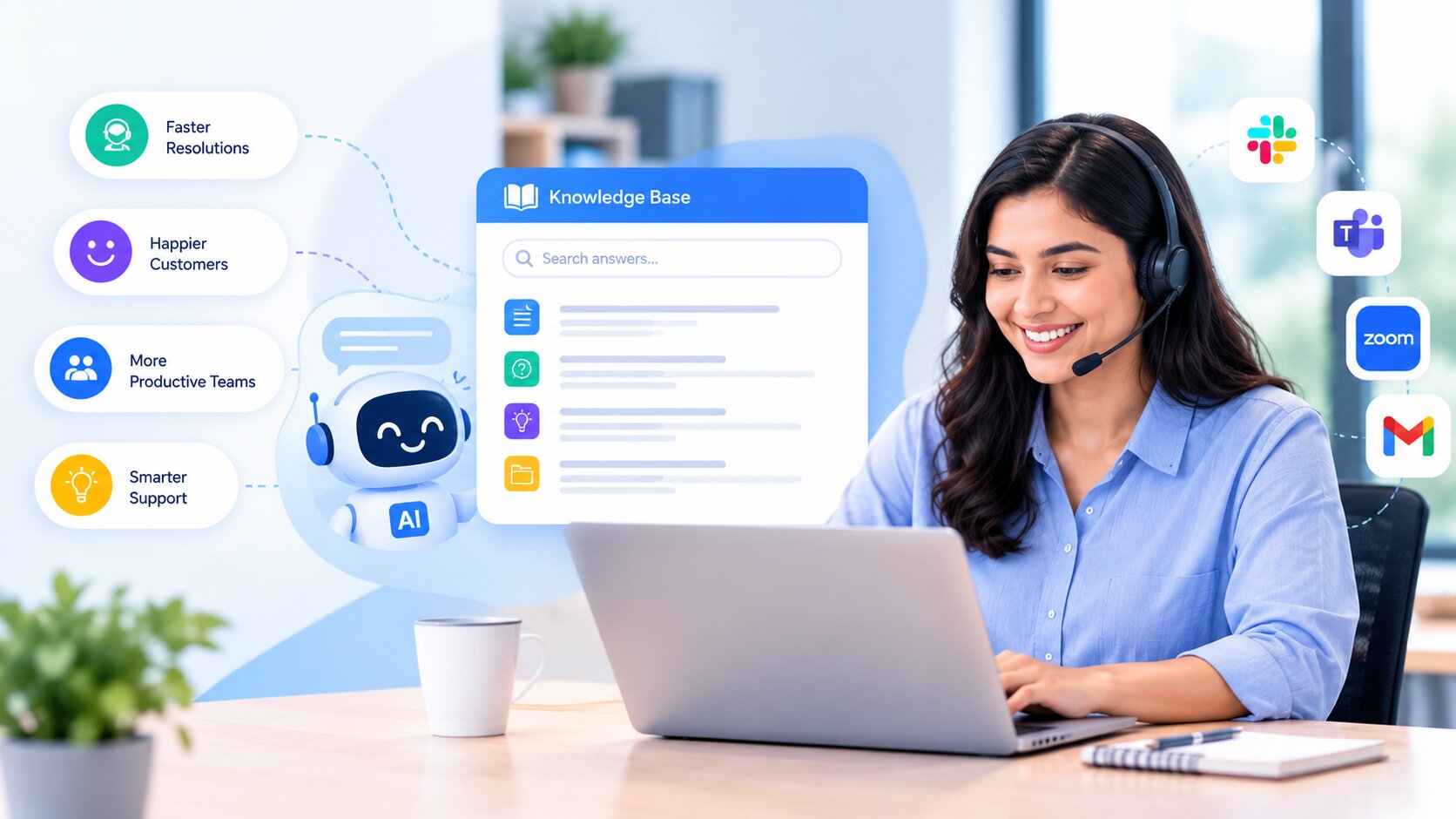
A better approach is to stop relying on people to go looking and let the collaboration stack pull the news in on its own. A scheduled job searches for events tied to the accounts, competitors, or suppliers a team cares about, then posts a short, dated, sourced summary into the right Slack or Microsoft Teams channel. Some teams go a step further and feed the same data to the AI assistant built into their workspace. That way, a question like "anything new with our top ten accounts this week?" gets a real answer instead of a confident guess.
The hard part is the search layer. Generic search APIs return ten links ranked for a human skimming a results page, which is close to useless for a bot that needs every relevant event from the last seven days in a format it can post or summarize. NewsCatcher's CatchAll web search API was built for that job. It treats search as a recall problem: surface everything relevant to a query, enrich it with metadata such as dates and named entities, and return structured records rather than a page of snippets. That structure is what lets an automated post say something specific ("the customer announced the acquisition of a regional carrier on Tuesday") instead of dumping a headline and a link.
Why recall matters more than ranking here
When a person searches, precision is what counts: a few good links, fast. An automated feed flips that priority. Nobody reviews what the bot didn't find, so a missed story stays invisible until it causes an awkward call like the one above. If the system catches nearly every relevant event and a few of them turn out to be marginal, a human skimming the channel can dismiss those in seconds. If it catches half, the team drifts back to relying on whoever reads the most news.
Slightly more to skim, far fewer blind spots. That's the trade worth making.
What it looks like across different teams
Sales and account management are the obvious starting point. A per-account digest posted before the weekly pipeline review means nobody spends the first ten minutes of the meeting asking "did anyone see...?"
Operations and procurement get a different kind of value. When a channel flags port delays or a supplier's financial trouble with dates attached, a remote ops team has time to act together instead of reacting one inbox at a time.
For communications and PR, the win is speed. A brand mention that breaks at 7 a.m. in one time zone can be spotted, threaded, and tagged to the right owner by whoever starts work first, well before the rest of the team logs on.
Leadership often just wants the weekly version. One pinned post covering competitor moves and market shifts is enough to make sure strategy conversations start from the same facts.
Better async, fewer catch-up meetings
This is where the idea connects to remote team management more broadly. Plenty of status meetings exist to synchronize context, not to make decisions. Once that context sits in a shared channel, searchable and threaded, a team can move more of the work to async updates and save live time for the discussions that actually need it.
New hires benefit too. Scrolling back through three months of an account channel teaches someone more about a client than a handover doc written in a hurry on someone's last Friday.
What this doesn't fix
Worth being blunt here: piping more information into Slack can make things worse. Teams already struggle with notification overload, and an unfiltered news bot is a quick way to get a channel muted by everyone. The setups that last tend to share a few habits. Each feed has a clear owner. Alerts are scoped to the specific companies that matter, not an entire industry. And there's an agreed rule for what earns an @-mention versus what lands quietly in a digest.
It won't replace judgment, either. A bot can tell your team that a customer's CFO just resigned. Deciding whether that puts the renewal at risk, and who should reach out, is still a conversation people need to have. The difference is that everyone walks into it knowing the same thing.
Conclusion
Distributed teams don't lose context because people stop caring or communicating, they lose it because the systems moving information between them have nothing current to work with until someone happens to spot it. Real-time market intelligence fixes the input side of that problem: a scoped, owned feed that surfaces the events a team actually needs, right inside the tools they already use. It won't decide whether a CFO's resignation puts a renewal at risk, and it isn't a substitute for judgment. But it does make sure that when that conversation happens, everyone in it is already working from the same facts, not catching up from three steps behind.
FAQs
1. What is real-time market intelligence?
Real-time market intelligence is an automated system that tracks events tied to the accounts, competitors, or suppliers a team cares about, then posts short, dated, sourced summaries into channels like Slack or Teams. Instead of relying on someone to notice a headline on LinkedIn or a newsletter, a scheduled job pulls in relevant news continuously, so a team's context stays current without depending on any one person's reading habits or time zone.
2. Why doesn't "just share it in the channel" work for distributed teams?
Asking people to post relevant news works for about a month before it falls apart, not from laziness but from workload. Tracking dozens of accounts and competitors is effectively a part-time job that lands on the busiest people. There's also a coverage ceiling: teams only see what someone happens to stumble across, so if the group's news diet is one feed and a newsletter, that becomes the limit on what ever reaches the channel.
3. Why does recall matter more than ranking for an automated news feed?
When a person searches, a handful of good links fast is what counts. An automated feed flips that: nobody reviews what the bot missed, so an overlooked story stays invisible until it causes an awkward surprise later. Catching nearly every relevant event, even with a few marginal ones mixed in, beats catching half and having the team drift back to relying on whoever reads the most news themselves.
4. What role does the search technology play in this setup?
Generic search APIs return a handful of links ranked for a human skimming a page, which doesn't work for a bot that needs every relevant event from the past week in a structured, postable format. Purpose-built tools like NewsCatcher's CatchAll web search API treat search as a recall problem, enriching results with dates and named entities so an automated post can state a specific fact rather than just dropping a headline and link.
5. Which teams benefit most from real-time market intelligence?
Sales and account teams get per-account digests before pipeline reviews, avoiding the "did anyone see...?" scramble. Operations and procurement gain lead time when port delays or supplier trouble surface with dates attached. Communications and PR teams catch brand mentions early across time zones, and leadership often just wants a pinned weekly summary of competitor moves and market shifts to align strategy conversations around the same facts.
6. Can a market intelligence feed backfire or cause notification overload?
Yes, piping unfiltered news into Slack can make things worse and get a channel muted quickly. Setups that hold up tend to share habits: each feed has a clear owner, alerts are scoped to specific companies rather than a whole industry, and there's an agreed rule for what warrants an @-mention versus what belongs quietly in a digest. It also doesn't replace judgment on what the news actually means.