Connect with us
Monitoring Distributed Teams: Using Data to Identify Communication Burnout
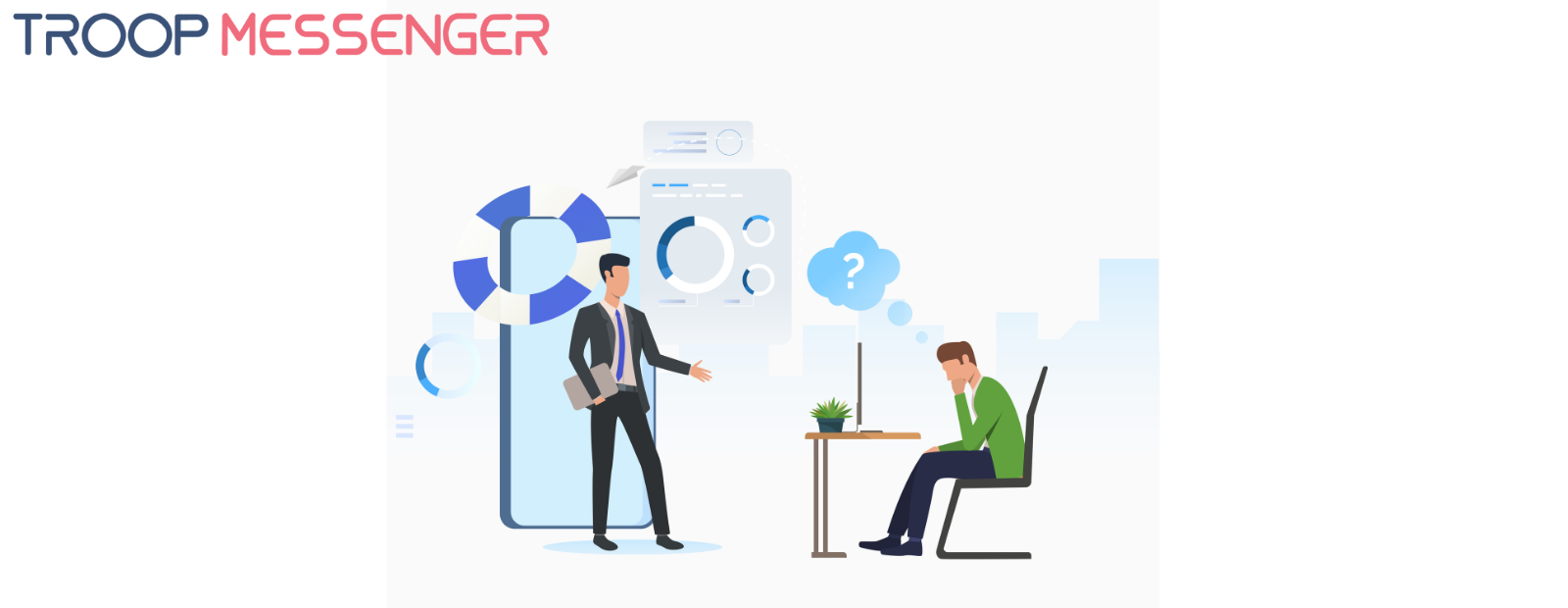
In a physical office, burnout is visible. You see it in the slumped shoulders at the coffee machine or the colleague who suddenly stops joining Friday lunches. But in a distributed environment, burnout is often "silent." It hides behind green "active" status bubbles and standard "Checking on this!" replies.
For leaders of globally dispersed teams, the challenge is shifting from visual cues to digital signals. To maintain a high-performance culture without micromanaging, organizations must learn to read the data within their collaboration tools.
The Challenge of the "Invisible" Workspace
Remote and distributed teams often fall into the "Always On" trap. When work happens across time zones, the boundaries between professional and personal life blur. A report by Owl Labs found that remote workers often work more hours than their in-office counterparts, but this increased "volume" doesn't always equate to sustainable "value."
The risk? Communication burnout; a state where the sheer friction of staying connected leads to emotional exhaustion and a sharp decline in productivity.
3 Key Metrics to Identify Burnout Early
To spot burnout before it leads to turnover, managers should monitor three specific data patterns within their team communication platform.
1.The "After-Hours" Communication Spike
If your analytics dashboard shows a sustained increase in messages sent outside of local "9-to-5" hours, your team is likely operating in a "recovery deficit." While occasional late-night pings are normal in global setups, a consistent pattern indicates that the daytime environment is too fragmented for deep work.
2.Response Time Variance
Consistency is the hallmark of a healthy workflow. In a balanced team, response times to non-urgent queries usually fall within a predictable range. However, when an employee is struggling, their communication patterns become erratic.
They might respond instantly one day (due to "over-productivity" anxiety) and then disappear for hours the next. To identify these shifts, managers can look at the spread of response data. Using a variance calculator to analyze these response intervals helps distinguish between a busy day and a deteriorating communication habit. A high variance often signals that the employee is overwhelmed and losing their grip on task prioritization.
3.Notification Density and Context Switching
Burnout is rarely caused by one big task; it’s caused by a "thousand papercuts" of interruptions. High notification density, the number of pings an employee receives per hour, directly correlates with cognitive fatigue. When an employee is forced to switch between a code editor, a group chat, and a video call every 10 minutes, their "Focus Blocks" disappear.
Moving from Monitoring to Mentoring: 4 Strategic Interventions
Data should never be used as a "gotcha" tool or a weapon for performance reviews. In the hands of a great leader, data is a bridge to a meaningful, empathetic conversation. If the metrics suggest that variance is climbing and focus time is shrinking, consider these four interventions:
1.Audit the "Meeting Load"
Is your "Daily Standup" turning into an hour-long marathon? Often, high communication variance is a result of employees being stuck in back-to-back video calls, forcing them to "burst-chat" in the three-minute gaps between meetings. Reduce the meeting load to give the data and the people room to breathe.
2.Define "Urgency Levels"
Burnout is often fueled by the assumption that every ping requires an immediate response. Establish a team charter that defines communication tiers:
- Tier 1 (Instant): Critical system failures (use phone calls/specific alerts).
- Tier 2 (Same-Day): Standard project updates.
- Tier 3 (Asynchronous): General feedback or non-urgent ideas.
3.Leverage "Off-Grid" Features
Modern tools like Troop Messenger are built with these psychological needs in mind. Encourage your team to use features like "Do Not Disturb" or "Self-Message" (to jot down thoughts without pinging others). This legitimizes the act of going offline to actually do the work.
4.The Retrospective "Data Review"
Instead of guessing why a project was delayed, bring the communication data to the team retrospective. Show the variance in response times or the spikes in after-hours pings. Ask the team: "The data shows we were very fragmented this week. What can we do to protect our focus time next week?" This shifts the focus from individual "laziness" to collective "system optimization."
Conclusion: The Future of High-Trust Leadership
In 2026, the competitive advantage of a firm is no longer just its talent; it is the bandwidth of that talent. A team that is perpetually burnt out is a team that is making expensive mistakes and losing its best people to competitors who "get it."
By moving away from "hours logged" and toward sophisticated metrics like communication variance and notification density, you can build a high-trust, high-performance environment. You don't need to see your employees to know they are working; you just need to understand the rhythm of the data they leave behind.