Connect with us
Technology Trends Transforming the Modern Workplace
Modern offices are increasingly becoming connected ecosystems, where communication, security, and physical infrastructure work together to create a more efficient and future-ready workplace. As teams rely more heavily on digital tools, the technologies supporting daily operations are evolving just as fast as the collaboration platforms teams use to talk to each other. Businesses that once focused purely on internal messaging are now realizing that the physical and digital layers of the workplace need to work together to keep employees informed, safe, and productive. This shift isn't just about adopting more software — it's about rethinking how communication, protection, and infrastructure decisions reinforce one another across an entire organization.
Communication That Goes Beyond Chat
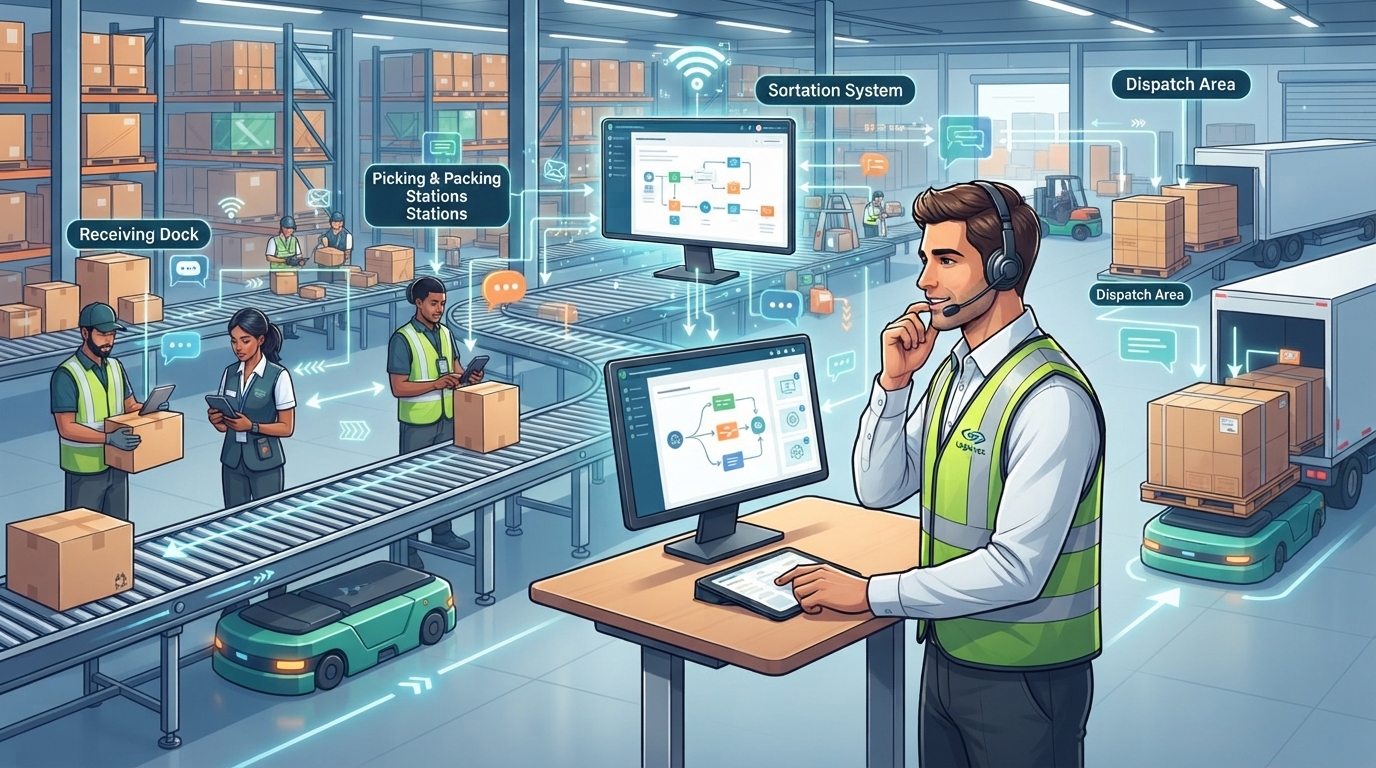
While messaging platforms handle day-to-day conversations, not every message belongs in a chat window. Announcements, safety alerts, and event updates often need to reach people who aren't actively checking their phone or desktop app — and this challenge looks different depending on the kind of building involved. A corporate office needs to broadcast meeting-room schedules and visitor updates; a retail location needs to update promotions throughout the day; a school needs to communicate everything from cafeteria menus to emergency alerts across dozens of classrooms at once. Whatever the setting, relying on someone to manually post updates or send a mass email doesn't scale.
This is where digital signage for schools and other institutions comes in. NoviSign lets organizations display real-time announcements, schedules, and event updates on screens throughout a building — from a busy office lobby to a school hallway — all managed remotely from a single dashboard. Content can be scheduled by time or location, meaning a screen can show one message in the morning and something entirely different by afternoon without anyone manually updating it. Integrations with tools like Google Slides, Canva, and RSS feeds also mean teams don't need design expertise to keep screens looking current, since content already created for other purposes can be repurposed for display with minimal extra work.
Paired with internal messaging tools, this creates a more complete communication layer that reaches people wherever they are in the building, not just at their desks. For organizations managing multiple locations — whether that's a company with several offices or a school district with several campuses — the ability to control content centrally while still giving individual departments some autonomy over their own screens strikes a useful balance between consistency and flexibility.
Security as a Foundation, Not an Afterthought
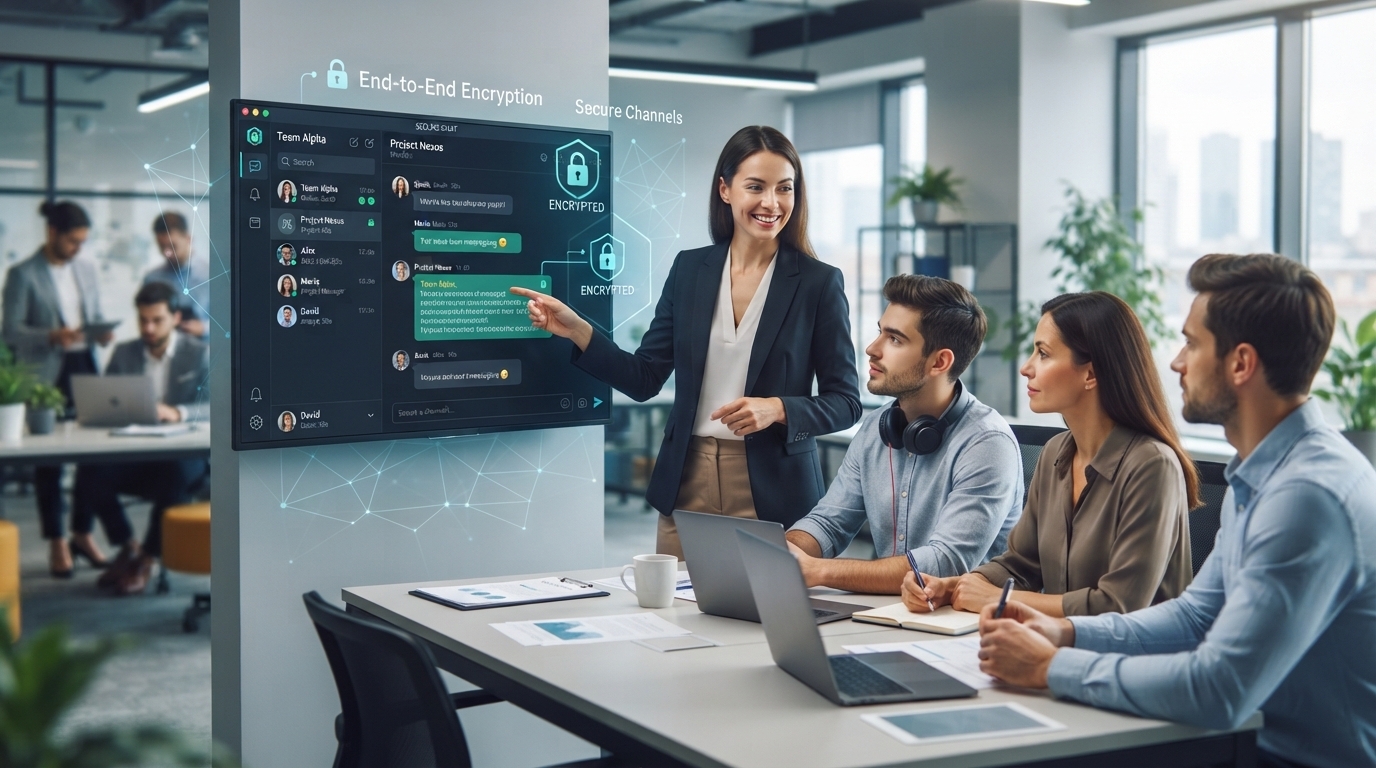
As teams share more sensitive information across chat platforms, cloud storage, and internal tools, security can't be treated as optional. A single overlooked vulnerability in a cloud configuration or an outdated open-source library can expose far more than most teams realize, and smaller organizations rarely have the luxury of a dedicated security team watching for these gaps around the clock. The challenge isn't usually a lack of awareness — most teams know security matters — it's a lack of time and specialized expertise to monitor everything continuously.
Platforms like Aikido help organizations scan their code, cloud infrastructure, and open-source dependencies for vulnerabilities, misconfigurations, and exposed secrets — all from one dashboard. Rather than drowning teams in alerts that require expert interpretation, tools built this way are designed to surface what actually matters, so a small engineering team can act on real risks instead of chasing false positives. This kind of consolidated visibility matters more as organizations adopt more third-party tools and cloud services, since each new integration is another potential entry point that needs to be monitored.
For growing teams that don't have a dedicated security department, this kind of automated scanning closes a gap that's easy to overlook until it becomes a real problem — often only noticed after something has already gone wrong. Building security into everyday workflows, rather than treating it as a separate, occasional audit, tends to catch issues while they're still small and easy to fix.
Sustainable Infrastructure for the Office of Tomorrow
Beyond software, forward-thinking offices are also investing in physical infrastructure that reflects changing employee expectations. Sustainability is no longer a side initiative for many companies — it's becoming part of how they attract and retain talent, and physical office amenities are a visible way to demonstrate that commitment. Employees increasingly factor in things like commute options, building amenities, and environmental practices when evaluating where they want to work, and physical infrastructure decisions send a signal about a company's priorities that goes beyond what's written in a mission statement.
Ampaway provides EV charging solutions for commercial properties, handling everything from site assessment and permitting to installation and ongoing operation, so property owners and office managers don't need to take on the technical or maintenance burden themselves. Because the system is deployed as an operated service rather than a purchased product, businesses can offer charging without absorbing the complexity of managing hardware, software, and repairs internally — something that matters a great deal for organizations that don't have facilities teams built around this kind of infrastructure.
As more employees drive electric vehicles, offering on-site charging is becoming a meaningful workplace perk — one that supports sustainability goals while requiring no operational overhead from the business itself. It also signals to both employees and clients that a company is thinking ahead, rather than retrofitting its infrastructure after the fact. For office buildings with shared parking or multiple tenants, this kind of amenity can also become a modest revenue stream rather than a pure cost center, which makes the investment easier to justify internally.
Bringing It All Together
None of these technologies work in isolation. The most effective modern workplaces combine strong internal communication, proactive security practices, and forward-looking infrastructure investments to create an environment where teams can focus on their work instead of the friction around it. Businesses that treat these three areas as connected parts of the same strategy — rather than separate, siloed purchases — tend to see the biggest impact, since better communication reduces confusion, stronger security reduces downtime and risk, and modern infrastructure improves day-to-day employee experience.
As offices continue to evolve, the businesses that invest across all three areas — not just one — will be the ones best positioned for what comes next. The workplace of the future isn't defined by any single tool or trend, but by how thoughtfully an organization connects the digital and physical systems its people rely on every day.