Connect with us

Messaging vs Social Networking Apps: Key Differences and Best Use Cases
If you have been involved with startups, then you have heard this story many times. A startup founder says, "We are building an easy-to-use messaging app." About six months later, you begin to see all the additional elements that have been added to the simple interface, such as feeds, like buttons, creators, advertisements, etc. Suddenly, it is no longer a simple messaging app; it becomes a social platform disguised as a chat app.
Messaging and social networking apps both involve sharing content. This is where a lot of the confusion occurs between the two products. Messaging and social networking software development companies start out building chat-first systems because they are easier to build than social networking applications. They then discover too late, once they have developed the chat application, that all of the social aspects do not easily integrate into the design and development of a simple messaging application.
When a product shifts toward content discovery, engagement, and network effects, working with a specialized social media app development company becomes essential to avoid architectural and growth limitations. If you do not make a decision to hire a social media app development company early, you may pay the consequences of that decision later.
What Is a Messaging App?
A messaging app is designed to connect people through private and instant conversations. It has replaced Short Messaging System (SMS) and even phone calls. A messaging app is intended for communication between existing friends, acquaintances, or colleagues.
Popular examples are WhatsApp, Signal, Telegram, and Slack. Users open these apps because they want to communicate with someone directly, not scroll through people’s content.
Core Features of Messaging Apps
Most messaging applications will have similar basic features:
- One-to-one and group chats;
- Real-time delivery;
- Message history and sync;
- Push notifications;
- Encryption and security layers.
The promise is that messages will arrive fast, be kept private and secure, and not accidentally deleted. If your application does not meet these core features, it will lose users immediately without the opportunity to correct your mistakes.
Common Messaging App Use Cases
Messaging applications are most commonly used when communication is the product:
- Internal team coordination;
- Customer support chats;
- Secure business conversations;
- Family and close-friend groups.
You do not “hang out” in messaging applications; you use them for making a quick contact and then leave.
What Is a Social Networking App?
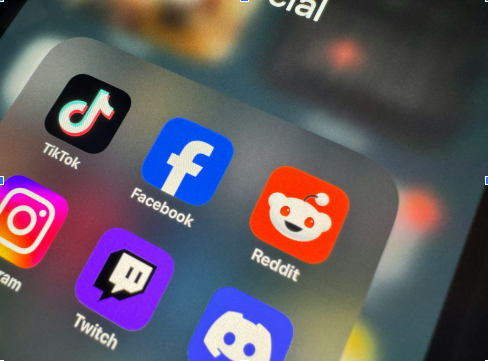
A social networking app is built for visibility. It’s all about identity, audience, and content flow. As a result, users interact with each other by performing, reacting, sharing and building a reputation.
Examples of such platforms include Instagram, TikTok, LinkedIn, and X. Each of these has a "feed" that is designed and implemented to be the product/service.
Core Features of Social Networking Platforms
Many typical features of a social networking platform include:
- User profiles and bios;
- Public or semi-public feeds;
- Likes, comments, and shares;
- Content posting tools;
- Follower systems;
- Discovery algorithms.
When using a social networking app, users are able not only to send and receive messages, but to broadcast their messages. This creates a whole new world for interaction as compared to messaging applications.
Typical Social Networking App Use Cases
For social networking platforms to be successful, communities are critical:
- Interest-based groups;
- Creator and influencer networks;
- Professional networks;
- Fan communities;
- Media-first platforms.
Social networking apps are designed with long sessions of use in mind, as opposed to quick check-ins.
Messaging Apps vs Social Networking Apps: Key Differences
These differences shape your tech stack, growth path, and revenue model.
Table 1: Core Product Differences
| Category | Messaging Apps | Social Networking Apps |
| Main Purpose | Private conversations | Public content sharing |
| User Behavior | One-to-one or small groups | One-to-many broadcasting |
| Content Life | Short-lived, contextual | Persistent and searchable |
| Discovery | Limited | Algorithm-driven |
| Engagement | Direct replies | Likes, shares, comments |
| Growth | Invitation-based | Viral and network-based |
Table 2: Strategy and Business Impact
| Area | Messaging Apps | Social Networks |
| Monetization | Subscriptions, enterprise plans | Ads, creators, data, brands |
| Infrastructure | Chat servers, encryption | Feeds, ranking systems |
| Scaling Risk | Medium | High |
| Moderation | Low to medium | High and ongoing |
Why Social Networking Apps Require a Different Development Approach
This is where many teams fail. They start with chat, then they add feeds, and then everything slows down, and they wonder why. These are usually the reasons:
Social apps have more content than any other type of app. Posts have a longer shelf life, each post has weight, and every comment must be ranked.
Feeds must load quickly. Slow-loading posts equal low user engagement; users will leave if it takes too long to see a post.
Infrastructure must be considered before the first line of code. You’ll need to think about storage, search, caching, and recommendations right upfront.
Once you make your app public, you absolutely must have a plan for moderating it. Once users start using it publicly, it’s open season for abusive behavior, spam, and potential legal liabilities.
You can’t bolt on any of these later. Instead, you must plan ahead and build for it, or you will rebuild again.
Messaging or Social Networking — Make the Right Choice Early
So, what kind of application are you building? If your users engage with each other mostly in private conversations, desire privacy/high security and value those characteristics, then you are creating a messaging application. If your users post publicly and follow/track others' posts through scrolling feeds or respond to people they have never met before, then you are developing a social media platform.
Most apps that attempt to combine both messaging & social platforms from the beginning usually experience failures. Being able to clearly separate both types of products helps avoid multiple months of reengineering of an application, saving time, resources, and ultimately product quality.
Before you begin writing your first line of code, make sure you are aware of what type of product you want to create. Are you looking to build a conversation or a network? Do your homework & begin your project accordingly; you will thank yourself in the future.