Connect with us

8 Best Internal Communication Platforms for Financial Services
Internal communication platforms for financial services help banks, fintech companies, investment firms, and other financial organizations communicate securely, share information, collaborate on projects, and keep employees aligned. Because financial services teams often handle sensitive information and work across departments and locations, choosing the right communication software requires more than basic messaging features. Security, administration, collaboration, file sharing, integrations, and deployment options should all be considered.
This guide compares eight internal communication platforms and explains how businesses can improve employee communication in financial services.
What is internal communication?
Internal communication is the exchange of information between employees, teams, managers, and departments within an organization. It includes everyday conversations, company announcements, feedback, project updates, document sharing, meetings, and other interactions that help employees work toward common business goals.
Effective internal communication can reduce misunderstandings, improve transparency, encourage collaboration, and help employees stay informed about organizational priorities.
Why Is Internal Communication Important for Financial Services?
Financial services organizations depend on accurate and timely communication across departments. Employees may need to coordinate around transactions, customer issues, compliance requirements, projects, and operational processes. Poor communication can create delays, misunderstandings, and operational risks.
Communication platforms can help teams centralize conversations, share files, organize discussions, and maintain better visibility across departments. However, financial organizations should also evaluate security, access controls, data handling, and deployment requirements before choosing a platform.
Why Secure Communication Matters in Financial Services
Financial organizations handle sensitive business and customer information, making cybersecurity an important consideration when selecting and managing communication technology. Organizations should evaluate risks related to authentication, permissions, data access, and deployment. The FFIEC cybersecurity resources for financial institutions provide guidance for identifying, assessing, and mitigating technology-related security risks. For businesses with strict infrastructure requirements, self-hosted communication platforms can also provide greater control over where business conversations and files are stored.
Internal Communication Trends in Financial Services
Technology continues to shape how financial organizations communicate internally. Messaging platforms, video conferencing, file sharing, project collaboration, and employee communication tools allow teams to work across offices and locations.
Employee engagement is another important part of internal communication. Financial organizations can use communication platforms to give employees opportunities to share feedback, access important updates, and participate in company discussions.
Security and data control are particularly important for financial services. Organizations handling sensitive information may need stronger administrative controls, access permissions, and deployment options that align with their internal security requirements.
What is the purpose of internal communications?
Internal communications are all about inclusion. No more feeling left out or clueless about what's happening around the office! Whether through email, chat platforms, or good old-fashioned face-to-face meetings, internal communication breaks down the ice and encourages teamwork on a higher level.
Internal communication can also be fun to inject personality and lightheartedness into the workplace. Memes, GIFs, and funny videos have a place in creating a positive and engaging internal communication culture. After all, work doesn't have to be all serious and stuffy.
How to Improve Internal Communication in Financial Services
Let's chat about spicing up our internal communications strategy at work. Here are a few informal tips to jazz things up and make them more effective in fintech companies and other services:
Keep Employee Communication Simple
Let's face it; nobody likes swimming in a sea of jargon. Keep it simple and use plain language that everyone can understand without needing a decoder ring. That way, your messages will hit the mark and resonate with your colleagues.
Use Visual Communication
The words are good, but the visuals are even better! Improve your internal communications by adding some eye-catching graphics, diagrams, and images. Also, it will ease the explanation of new projects and make the digital workplace funnier.
Use Multiple Communication Channels
Don't limit yourself to just one channel for communication. Embrace the beauty of variety by using emails, instant messaging, team collaboration tools, and maybe even face-to-face meetings. All employees have different preferences, so fix them through the company intranet.
Encourage Feedback and Participation
As you know, communication is a two-way street. Don't just talk to people; invite them to join the conversation. Encourage feedback, suggestions, and ideas from your colleagues. Create spaces for discussions, virtual suggestion boxes, or even anonymous employee surveys. Involving everyone fosters a sense of ownership and makes people feel heard.
Keep Messages Concise
Time is precious, and attention spans are short. Keep your messages concise and to the point. Nobody wants to read a novel-length email or sit through a never-ending presentation. Get your message across quickly and clearly; you'll have everyone's gratitude.
Personalize Communication
Avoid dry, robotic employee communications. Let your personality shine through in your messages. Include some humor, warmth, and friendliness. Be genuine, and tell your colleagues there's a human behind those emails.
8 Best Internal Communication Platforms for Financial Services
As promised, here is the list of 7 excellent internal communication tools that will revolutionize how you collaborate with your team. Choose your internal communication software and start improving your financial services.
1. Troop Messenger
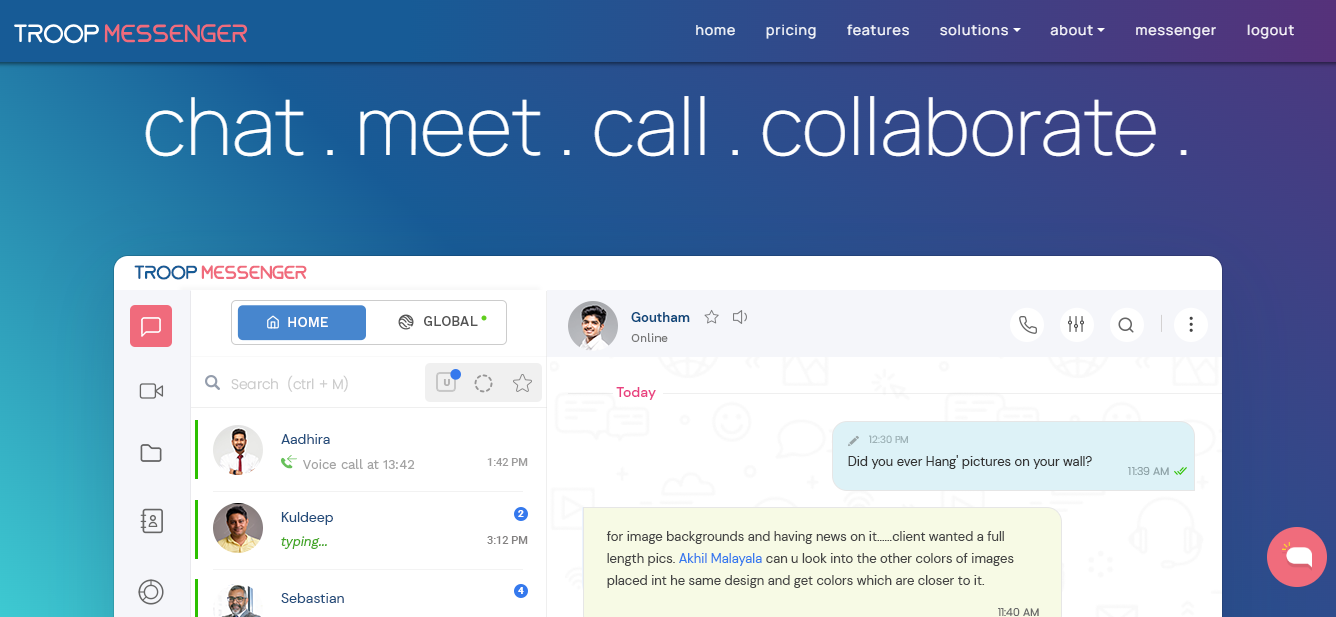
Troop Messenger is a team communication and collaboration platform that supports messaging, file sharing, audio and video communication, and other workplace collaboration features. It can be useful for financial organizations that need communication across departments, branches, or distributed teams.
Organizations with stricter data-control requirements can also consider its on-premise deployment, which supports features such as LDAP/SSO, multi-factor authentication, access controls, backup and restoration, and isolated network environments.
Troop Messenger also offers SaaS and chat API delivery options, allowing organizations to choose a deployment model based on their technical and operational requirements.
Troop Messenger's mission is to provide a safe chat platform to users where they can communicate trivial to classified information without any alternate thoughts. So, owing to its mission of realizing modern-day vulnerabilities, this internal communication software advocates being an on-premise chat server. Nevertheless, users have other options with SaaS, chat APIs & SDKs, and other delivery models.
Troop Messenger chat APIs are as secure as the tool, so data-sensitive industries like financial institutions can integrate these tools’ APIs to process seamless communication with their clients or customers.
2. Microsoft Teams
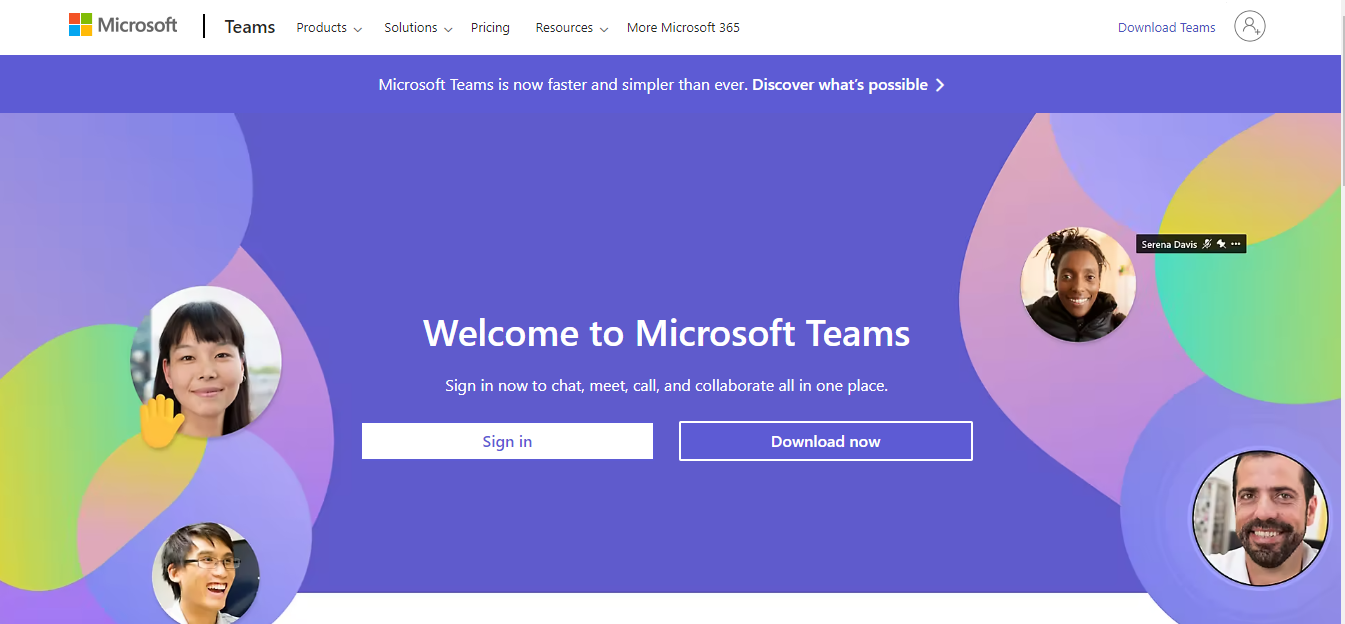
Microsoft Teams combines workplace chat, meetings, file sharing, and collaboration features. Teams can share and collaborate on files through channels and chats, while meeting participants can communicate through chat during and around meetings.
For financial services organizations already using Microsoft 365, Teams can be a practical option because it works alongside other Microsoft tools and services.
3. ClickUp

ClickUp combines project management, tasks, documents, collaboration, and chat within one platform. Its current collaboration features allow teams to communicate alongside their work, convert conversations into tasks, and connect discussions with projects and documents.
This can make ClickUp useful for financial teams managing projects that require communication, task tracking, deadlines, and cross-functional collaboration.
4. Microsoft Viva Engage
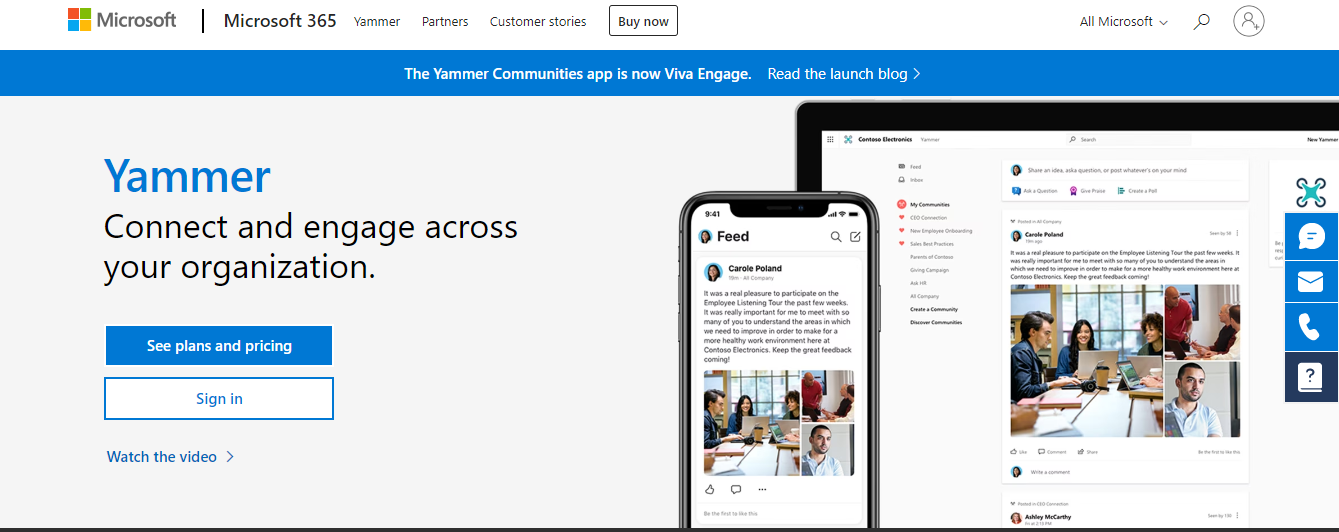
Microsoft Viva Engage is the successor to Yammer's enterprise social networking experience and is designed to support employee communities, conversations, leadership communication, and knowledge sharing within organizations.
It can be useful for financial organizations that want a more community-focused internal communication environment alongside their everyday workplace communication tools.
5. Slack

Slack organizes workplace communication through channels, direct messages, file sharing, and integrations. Channels can bring people and information together around projects, departments, or topics, while integrations connect Slack with other workplace applications.
For financial services teams, Slack can be useful when employees need centralized project conversations and connections with the other applications used in their workflow.
6. Zoom
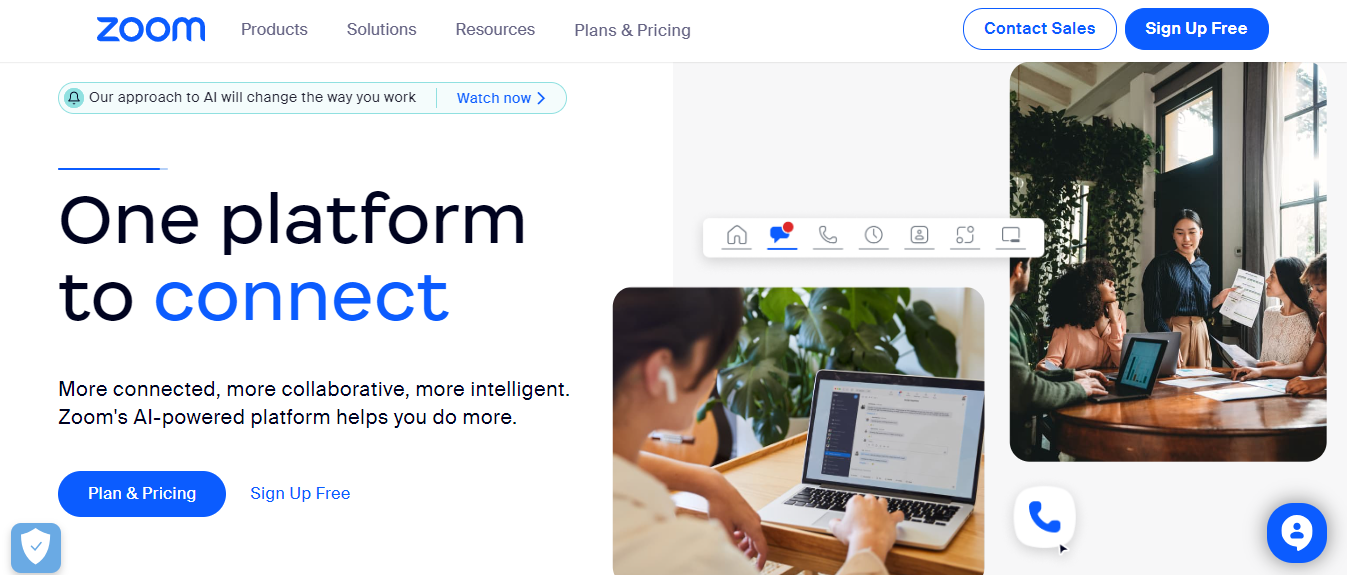
Zoom is primarily a video conferencing platform that supports virtual meetings, screen sharing, and remote collaboration. It can be useful for financial services organizations with distributed teams that need regular meetings, presentations, training sessions, or client-facing communication.
7. Google WorkSpace
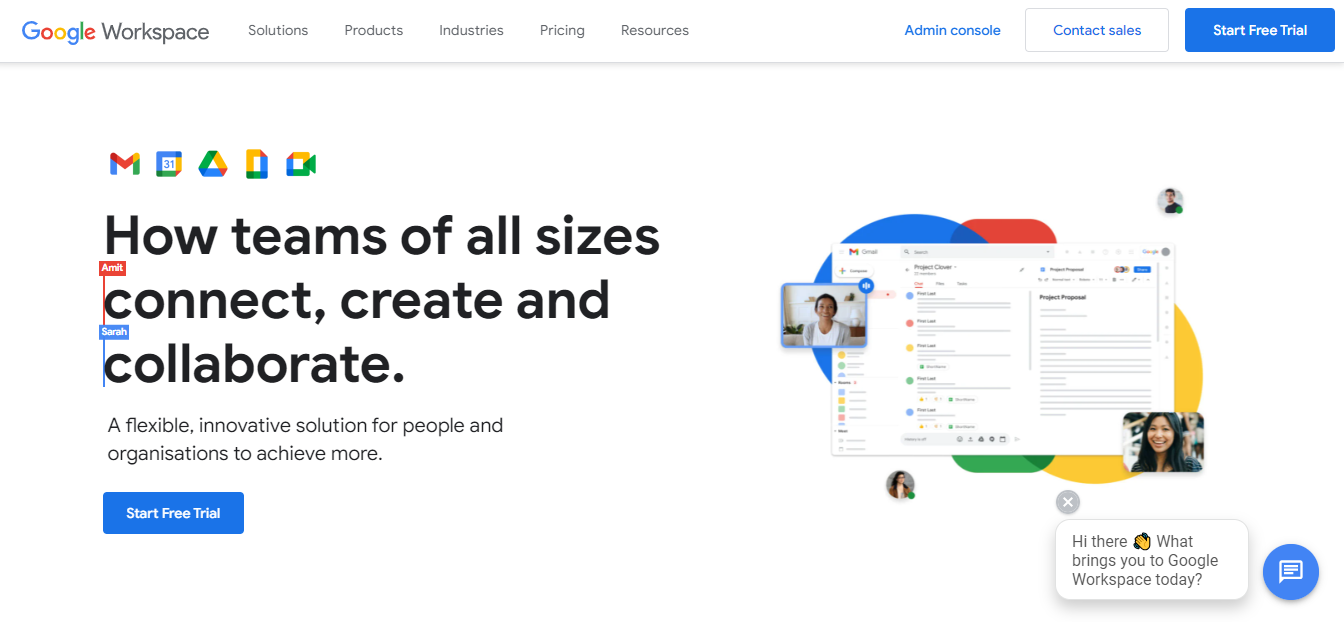
Google Workspace combines Gmail, Google Drive, Docs, Sheets, Slides, Calendar, and Meet to support workplace communication and collaboration. Teams can communicate through email, collaborate on documents in real time, share files through Drive, schedule meetings through Calendar, and use Meet for video communication.
It can be particularly useful for financial teams that already rely on Google's productivity ecosystem.
8. Jostle

Jostle is an employee communication and engagement platform designed around company communities, employee updates, announcements, and workplace interaction. It can help organizations create a central environment for sharing company information and encouraging employee participation.
For financial organizations with multiple departments or locations, a platform focused on employee engagement can complement more direct team messaging and collaboration tools.
How do you become an internal communicator?
There are a lot of tips and tricks to bring here, but the first one is to have excellent communication skills. It’s all about being able to express yourself clearly, both in writing and speaking. You should be able to craft engaging messages that capture people's attention and get your point across effectively. After all, you'll be the go-to person for keeping everyone in the company on the same vibe.
Next up, it's all about being a people person. You must be able to connect with coworkers from all styles of life within the company. Building relationships and being able to empathize with your colleagues will help you understand their needs and concerns. It is crucial when delivering important information or dealing with sensitive topics.
Another important aspect is being a master of organization. Internal communicators are responsible for managing and coordinating various communication channels and platforms. You'll be juggling emails, newsletters, intranets, and maybe even social media accounts, so being organized and able to prioritize your tasks is key.
Networking is also a great way to get your foot in the door. Attend industry events, join professional organizations, and connect with people already working in internal communications. They can provide valuable insights, mentorship, and even job opportunities.
So, there you have it! If you've excellent communication skills, can relate to people, stay organized, and have some relevant experience, you're on the right track to becoming an internal communicator in a company.
Conclusion
Choosing the right internal communication platform is particularly important for financial services organizations because employees need to communicate efficiently while handling sensitive business information. The best platform depends on the organization's team size, communication needs, existing software ecosystem, security requirements, and deployment preferences. Troop Messenger, Microsoft Teams, ClickUp, Microsoft Viva Engage, Slack, Zoom, Google Workspace, and Jostle each approach internal communication differently. Before choosing a platform, compare security controls, collaboration features, integrations, administration capabilities, and deployment options against your organization's specific requirements.
FAQs
1. What should financial services companies look for in an internal communication platform?
Financial organizations should evaluate security, access controls, authentication, file sharing, messaging, collaboration features, integrations, administration capabilities, and deployment options. Organizations handling highly sensitive information may also consider self-hosted or controlled deployment models.
2. Why is internal communication important in financial services?
Effective internal communication helps financial teams coordinate work, share important updates, reduce misunderstandings, and collaborate across departments and locations. Clear communication can also help employees stay aligned with organizational processes and priorities.
3. Is on-premise communication software useful for financial institutions?
It can be useful for organizations that require greater control over infrastructure, data storage, access permissions, and network environments. The suitability of on-premise deployment depends on the organization's security, compliance, infrastructure, and maintenance requirements.
4. What is the best internal communication platform for remote financial teams?
There is no single best platform for every financial organization. Teams should compare communication features, collaboration capabilities, security controls, integrations, administration, and deployment options based on their specific workflows and requirements.
5. Can internal communication platforms replace email?
They can reduce reliance on email for many internal conversations, such as quick updates, team discussions, file sharing, and project communication. However, email can still be useful for formal notices, external communication, and situations where a traditional email record is required.