Connect with us
How to Optimize Multi-channel Communication for Online Retail
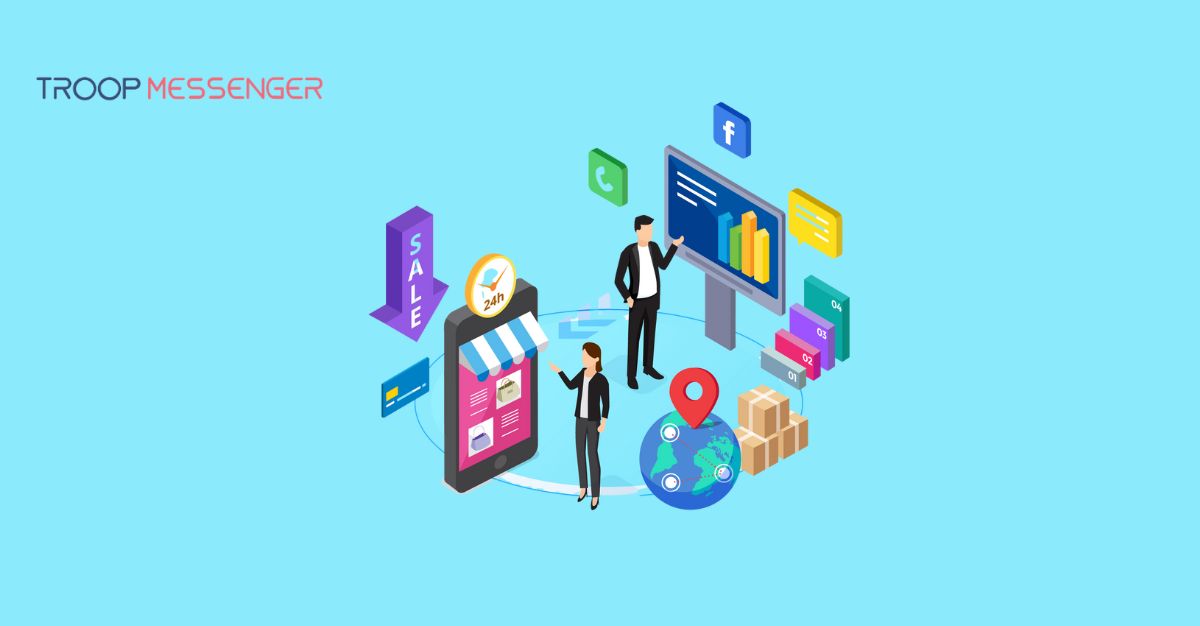
Multi-channel communication for online retail is the practice of connecting with customers through channels such as email, SMS, social media, mobile apps, and live chat to create a consistent customer experience. When these channels are properly coordinated, retailers can deliver relevant messages at the right stage of the customer journey without creating repetitive or disconnected communication.
This guide explains how online retailers can optimize multi-channel communication through targeted campaigns, automation, personalization, mobile messaging, customer support, performance tracking, and consistent customer journeys. It also covers practical ways to connect communication channels and improve customer engagement, conversions, and long-term relationships.
What is Multi-channel Communication for Online Retail?
Multi-channel communication for online retail involves using multiple communication platforms to interact with customers throughout their buying journey. These channels can include email, SMS, social media, mobile apps, live chat, and other digital touchpoints.
Each channel can serve a different purpose. For example, SMS can be used for urgent notifications, email can provide detailed product information, mobile apps can deliver personalized recommendations, and live chat can support customers during the buying process.
The goal is not simply to use as many channels as possible. Retailers should coordinate their messaging, timing, customer data, and communication goals so that each channel contributes to a consistent and relevant customer experience.
How to Optimize Multi-channel Communication for Online Retail
1. Create Effective SMS Campaigns for E-commerce
SMS can be an effective channel for time-sensitive e-commerce communication, including promotions, order updates, abandoned-cart reminders, and back-in-stock notifications. Because SMS reaches customers directly on their mobile devices, retailers can use it when timely communication is important.
Keep SMS messages concise and action-oriented. Include a clear reason for the message and a relevant call to action. Segment recipients based on factors such as purchase history, interests, customer status, or engagement so that messages remain relevant.
Retailers should also obtain appropriate consent and provide clear opt-out options for marketing messages.
Example:
A retailer can send a targeted SMS to customers who viewed a product but did not purchase, directing them back to the product page when the item becomes available or goes on promotion.
2. Use Automation for Consistent Communication
Automation helps retailers coordinate communication across email, SMS, mobile apps, and other channels based on customer actions or predefined events. Instead of manually sending every message, businesses can create workflows for common customer interactions.
For example, an abandoned-cart workflow could send an SMS reminder first and an email later with additional product information. Similar workflows can support welcome messages, order updates, post-purchase follow-ups, back-in-stock alerts, and re-engagement campaigns.
Automation should be carefully timed to avoid sending too many messages across multiple channels. The objective is to create a useful sequence rather than repeat the same communication everywhere.
Example:
An abandoned-cart workflow could send an SMS reminder shortly after the customer leaves the checkout process and follow it with an email containing product details or support information.
3. Personalize Communication Across Channels
Personalization allows retailers to make communication more relevant by using customer information such as purchase history, browsing behavior, preferences, location, and engagement. Instead of sending the same message to every subscriber, retailers can adapt content to different customer groups.
For example, a customer who recently purchased a jacket could receive recommendations for complementary accessories through email or SMS. Another customer who frequently browses a particular product category could receive relevant product updates or offers.
Personalization works best when customer data is accurate, permission-based, and used appropriately across communication channels.
Example:
Send tailored SMS and email campaigns suggesting items such as those that they previously purchased.
4. Use Mobile Apps to Engage Customers
Mobile apps provide another direct communication channel for online retailers through push notifications, in-app messages, personalized recommendations, and account updates. When connected with email and SMS campaigns, apps can become part of a coordinated customer journey.
Retailers can use push notifications for product launches, order updates, limited-time offers, and personalized recommendations. However, notifications should be relevant and appropriately timed to avoid overwhelming customers.
Communication across the app, email, and SMS should also use consistent offers and information so customers do not receive conflicting messages.
Example:
A new product can be brought to attention using a mobile app push notification, then be followed up with an SMS containing a discount, paired with an email that provides further details.
5. Create Email Strategies That Complement Mobile Messaging
Email provides more space for detailed communication than SMS and can support product education, promotions, recommendations, newsletters, and post-purchase engagement. Retailers can use email to expand on information introduced through shorter mobile messages.
For example, an SMS can notify customers about a promotion while a follow-up email provides product details, images, recommendations, and a clear path to purchase.
Emails should also be optimized for mobile devices, with readable text, responsive layouts, clear calls to action, and fast-loading content.
Example:
Post an SMS alert of a sale; follow up with an Email containing clear pictures of products, detailed descriptions, and a faciles to purchase link.
6. Monitor and Measure Channel Performance
Measuring each communication channel helps retailers understand which messages, audiences, and campaigns contribute to their business goals. Relevant metrics may include clicks, conversions, revenue, engagement, unsubscribe rates, customer responses, and campaign ROI.
Performance should be evaluated according to the purpose of each channel. For example, an order-update SMS may be measured differently from a promotional email.
Retailers should also analyze the complete customer journey when several channels contribute to a single conversion. These insights can help improve messaging, timing, audience segmentation, and channel allocation.
Example:
Tracking performance of email versus SMS campaign can help understand which channel brings more conversions.
7. Build Consistent Customer Journeys Across Channels
Customers may interact with a retailer through several channels during a single purchase journey. A customer might discover a product through social media, receive an email with additional information, receive an SMS about an order, and later contact customer support through live chat.
Retailers should coordinate these interactions so that information remains consistent as customers move between channels. Customer data, campaign status, preferences, and previous interactions should be available where appropriate.
This approach reduces repetitive communication and creates a smoother experience from discovery through purchase and post-purchase support.
Example:
The ability to establish an omnichannel experience to provide consistent messaging to the customer on each front delivering that same message increases engagement.
8. Connect Customer Support With Communication Channels
Customer communication should not stop after a customer clicks a promotional message or completes a purchase. Retailers should make it easy for customers to access support through the channels they already use.
Email, SMS, live chat, and mobile apps can direct customers to help resources or support teams. Connecting communication and support systems can also help agents understand previous customer interactions and provide more relevant assistance.
Support links should be clear and easy to access, particularly in order confirmations, delivery notifications, and post-purchase communications.
Example:
It provides customers with a quick way to seek assistance by incorporating a “contact us” link on your SMS as well as email campaigns.
9. Encourage User-Generated Content Across Channels
User-generated content such as customer reviews, product photos, ratings, and testimonials can provide social proof for online retailers. Businesses can encourage customers to share feedback after a purchase and use approved content in future marketing campaigns.
Email and SMS can be used to request reviews or invite customers to share their experiences. Retailers should clearly explain how submitted content may be used and obtain any required permissions before publishing customer-generated content.
Customer feedback can also provide useful insights into product quality, customer satisfaction, and areas that need improvement.
Example:
Trigger reminders by SMS and email for customers to upload their product photos and enter a competition.
Best Practices for Multi-channel Communication
Use the Right Channel for the Right Message
Choose communication channels based on the purpose, urgency, and context of each message. SMS may be suitable for time-sensitive notifications, while email can provide detailed information and social media can support discovery and engagement. Using each channel according to its strengths can make communication more useful and reduce unnecessary repetition.
Maintain Consistent Customer Data
Customer information should remain accurate and consistent across the systems used to manage communication. Synchronizing relevant customer data, preferences, purchase history, and communication status helps prevent conflicting messages and improves personalization across channels.
Control Message Frequency
Using several communication channels does not mean customers should receive multiple messages about the same event. Establish frequency limits and coordinate campaigns to prevent excessive communication. Monitor engagement, unsubscribes, complaints, and customer feedback to identify when message frequency needs to be adjusted.
Respect Customer Preferences
Allow customers to manage their communication preferences where applicable. Respecting channel preferences and marketing permissions helps businesses maintain trust and reduces unwanted communication. Preference management should be reflected across relevant systems so customers do not continue receiving messages through channels they have opted out of.
Test and Optimize Regularly
Multi-channel communication should be continuously evaluated rather than treated as a one-time strategy. Test different messages, timing, audiences, calls to action, and channel combinations. Use performance data and customer feedback to identify what works and refine future campaigns.
Common Multi-channel Communication Mistakes to Avoid
Sending the Same Message Everywhere
Repeating identical messages across email, SMS, push notifications, and social media can make communication feel excessive. Adapt the content and purpose of each message to the specific channel while maintaining consistent information.
Over-communicating With Customers
Sending too many messages within a short period can lead to reduced engagement and increased unsubscribes. Coordinate campaigns across channels and consider the customer's recent interactions before triggering another communication.
Ignoring Customer Preferences
Customers may have different preferences for communication channels, frequency, and content. Ignoring these preferences can create a poor experience. Use available preference data to determine how and when customers should be contacted.
Measuring Channels Separately
Looking at individual channel metrics alone can make it difficult to understand the complete customer journey. Analyze how email, SMS, mobile apps, social media, and support interactions work together when evaluating campaign performance.
Conclusion
Effective multi-channel communication helps online retailers connect with customers through the channels they already use while keeping the overall experience consistent. Email, SMS, social media, mobile apps, and customer support can each serve different purposes throughout the customer journey.
The key is not to communicate on every available channel, but to use the right channels with relevant messaging, appropriate timing, personalization, and clear measurement. By connecting communication efforts and continuously improving based on customer behavior, retailers can create smoother experiences, increase engagement, and build stronger long-term customer relationships.
FAQs
1. What is multi-channel communication in online retail?
Multi-channel communication in online retail means using multiple channels, such as email, SMS, social media, mobile apps, and live chat, to communicate with customers. Each channel can serve a different purpose throughout the customer journey, from product discovery and promotions to order updates and support. An effective strategy keeps the messaging relevant and coordinated while allowing customers to interact with the retailer through their preferred communication channels.
2. How can online retailers improve multi-channel communication?
Retailers can improve multi-channel communication by defining the purpose of each channel and coordinating messages across the customer journey. Personalization, automation, consistent branding, and performance tracking can help improve communication quality. Retailers should also avoid sending identical messages across every channel and instead adapt content to each platform. Regularly reviewing engagement, conversions, customer feedback, and channel performance can help identify opportunities for improvement.
3. What is the difference between multi-channel and omnichannel communication?
Multi-channel communication uses several customer communication channels, but those channels may operate independently. Omnichannel communication connects those channels to create a more consistent customer experience. For example, a retailer may use email, SMS, social media, and live chat as separate channels in a multi-channel strategy. An omnichannel approach connects these interactions so customer information and communication can remain consistent as shoppers move between channels.
4. Why is SMS important for e-commerce communication?
SMS can be useful for time-sensitive retail communication because messages can reach customers directly on their mobile devices. Retailers can use SMS for order updates, delivery notifications, limited-time offers, abandoned-cart reminders, and back-in-stock alerts. However, businesses should obtain appropriate consent and provide clear opt-out options. SMS works best when messages are relevant, concise, appropriately timed, and coordinated with other customer communication channels.
5. How does automation improve multi-channel communication?
Automation allows retailers to trigger messages based on customer actions, preferences, or stages in the buying journey. For example, an abandoned-cart workflow could send an SMS reminder followed by an email containing additional product information. Automation can also support order notifications, post-purchase follow-ups, product recommendations, and re-engagement campaigns. When properly configured, automated workflows improve consistency while reducing repetitive manual communication and helping customers receive relevant information at appropriate times.
6. How should retailers measure multi-channel communication performance?
Retailers should measure performance using metrics that align with each channel's purpose and business objectives. Useful metrics can include clicks, conversions, revenue, engagement, unsubscribe rates, customer responses, and campaign ROI. Comparing performance across channels can reveal which communication methods contribute most effectively to specific goals. Businesses should also evaluate the complete customer journey instead of judging individual channels in isolation, particularly when several channels contribute to the same conversion.