Connect with us
How Businesses Protect Private User Data
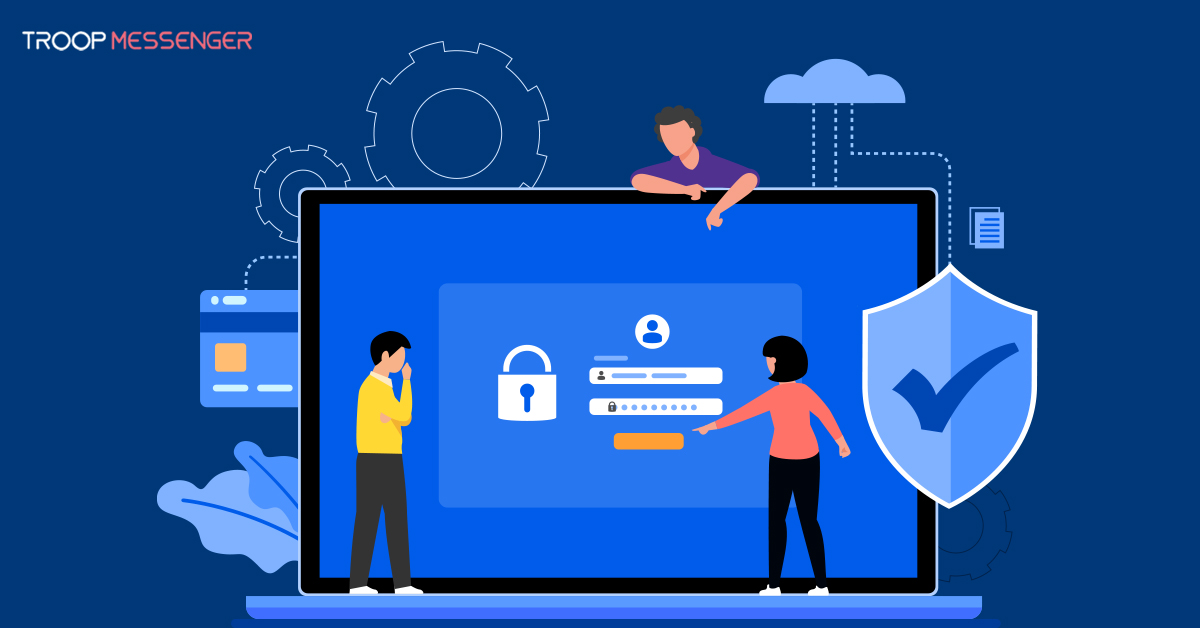
Data protection is the process of safeguarding sensitive business and personal information against unauthorized access, data loss, misuse, and cyberattacks. Businesses can strengthen data protection by using encryption, role-based access control (RBAC), multi-factor authentication (MFA), secure backups, employee security training, and reliable collaboration tools. They must also understand and comply with applicable data privacy regulations, such as the General Data Protection Regulation (GDPR) and the California Consumer Privacy Act (CCPA). This guide explains practical data protection strategies, encryption techniques, secure communication practices, and compliance measures that help organizations protect information and maintain customer trust.
Data Protection Strategy Guidelines
With pre-determined rules and regulations, businesses adopt effective solutions and principles to fix server vulnerabilities, educate employees, and protect sensitive user data from cybersecurity threats and accidental data loss. Well-protected information should travel through secure communication channels and remain accessible to authorized persons throughout its lifespan.
From the outside, no party should have access to the company's IP address, a digital identity parameter given by your Internet Service Provider. Proxy server connections safeguard digital information by hiding your IP address from third parties. Eliminating vulnerabilities in internet-facing applications helps avoid unauthorized access and protect company data.
Data protection encompasses threat protection software, recovery tools, and extensive use of role-based access control (RBAC) to safeguard information and keep it available to appropriate parties. Paired with additional solutions like multi-factored authentification, a program system should have more than one element of verification to negate the effects of accidental password leaks and brute-force attacks.
Building a system or application with data protection in mind greatly reduces the risk of a cyberattack. When programs are developed with strict access control and corruption recovery systems, all that is left is comprehensive education of employees on popular cyber threats and good digital hygiene. Teaching workers to avoid deceptive phishing attacks and create strong passwords will ensure that previously established data protection practices do not go out of the window due to a simple yet incredibly costly mistake.
Not all cyberattacks aim to infiltrate your network and steal user data. A cybercriminal could plant malware in a company’s cloud/network by sending a phishing email with a malicious attachment that, once opened, installs the malware and corrupts files. Despite employee training, mistakes can happen; therefore having a backup and recovery plan is essential for protecting sensitive data from both accidental and intentional corruption.
In an existing program system, conducting data inventory is a great way to keep up with information associated with your product, clients, and brand. Through rigorous permission management, IT security managers can adjust access management according to security priorities, optimize resource allocation, and minimize insider threats. Security awareness drills, employees learn to utilize access permissions properly and avoid phishing attacks, while security analysts perform risk assessment and vulnerability tests.
Effective data protection practices prevent cyber threats before they happen, aiming to avoid disturbance of tasks, expensive downtime, and devastating losses from data leaks.
or additional guidance, CISA explains how to protect data stored on devices through encryption and secure backups.
Data Encryption Techniques
Data encryption techniques prevent interception during the transmission of sensitive data. By converting its original form into an encoded cipher, businesses can deliver information that is only visible to a recipient with a decryption key.
Controlling the movement of information on the web can be tricky, as you can never know if onlookers are spying on communication networks. When working with Cloud services or running your on-premise infrastructure, AES-256 encryption creates a strong lock, transforming files and information into a scramble that only a key owner can restore.
Cloud providers store information protected by AES-256 encryption, making sure that only authorized users can see the data in its true form. By picking encryption practices that follow industry standards and regulations, secure businesses protect data throughout its entire lifespan with end-to-end encryption techniques.
Experts protect automated processes and web connections with secure communication protocols like SSL/TLS when conducting business operations through internet-facing software. It protects data by creating an encrypted communication channel (e.g., a web browser) and a server, ensuring that data retains integrity and privacy.
Communication outside your infrastructure is all about utilizing HTTPS with VPN or proxy server connections. VPNs are a good solution for secure transmission of company resources and gaining access to your server from remote locations. However, despite great security features, high usage rates, distance variables, and computational resources for encryption protocols may hinder the connection too much for tasks that depend on speed and performance.
To gain unlimited access to geo-restricted content and gather valuable insights from the internet's best data sources, an HTTPS proxy server connection maintains higher speeds and uptime for automated processes while masking the user's IP address. With the help of business-oriented providers, companies can get thousands of legitimate addresses for safe use, protecting network data with IP masking and region access control.
Combining data encryption with proactive use of multi-factor authentication and RBAC, businesses end up with a robust security framework that leaves no leeway for user data exploitation.
Ensuring compliance with data privacy regulations is crucial for businesses to protect sensitive information and maintain customer trust. One of the first steps is to identify and understand the relevant laws and regulations that apply to your business. This includes regulations such as the General Data Protection Regulation (GDPR) in Europe, the California Consumer Privacy Act (CCPA) in the United States, and other regional or industry-specific data protection laws. By understanding these requirements, businesses can develop policies and procedures that align with legal obligations and ensure that data is handled appropriately.
Ensuring Data Protection with Collaboration Tools
Protecting user data and company data through the use of instant messaging and collaboration tools like Troop Messenger provides an essential combination of security and efficiency, crucial for today’s digital workplace. To ensure data protection, workers interact with each other through channels utilizing SSL/TLS protocols and end-to-end encryption. Delivered messages and files get encoded from the moment they are sent until received, ensuring that only the authorized party with the key can access the information.
With safe management practices like RBAC, monitoring of communication channels, and two-factor authentification, IT administrators can track connections from other locations, devices, and other suspicious behavior quickly enough before the situation turns into a cybersecurity problem.
The best collaboration tools offer features like secure file sharing, screen sharing, and video conferencing, all protected by strong encryption protocols. This ensures that all data remains invisible to outside parties, building trustworthy business-to-client (B2C) interactions and compliance with data protection regulations.
Compliance with Data Privacy Regulations
Digital data management is a tricky business, where even the biggest industry titans manage to drop the ball, resulting in massive financial losses. These errors can lead to significant financial losses and, in some cases, put users' livelihoods at risk.
While there is no need to point fingers and look for guilty parties in the matter, users often feel anxious and violated, as their data is at the mercy of cybercriminals. This is why strict compliance and regulations are put in place. These incidents make it legally mandatory for companies to protect user data, as laws and regulations require them to ensure that companies handle data responsibly and securely.
Implementing robust data protection measures is essential for compliance. This includes using strong encryption methods with AES-256 and SSL/TLS protocols to avoid unauthorized threats and deliver information without interference from malicious parties. Businesses should also conduct regular risk assessments to identify potential vulnerabilities and implement mitigation strategies. At the same time, documenting data and its changes helps organizations keep track of data storage and integrity, which are both critical for security and compliance.
Companies need to know applicable regulations and laws that affect business data management policies to avoid potential liabilities and ensure regulatory compliance. In Europe, the General Data Protection Regulation (GDPR) provides the necessary rules for personal data processing for individuals in the European Union (EU). By intertwining privacy laws across the continent, businesses need to follow imposed regulations to avoid punishment and fines.
While there is no federal equivalent to this law in the United States, private user information is dictated at the state level. The closest example is the California Consumer Privacy Act (CCPA), which follows the same principles, with differences in applicability and milder punishments. Ensure you learn which laws apply to your case, and implement appropriate protocols to comply with these regulations.
Conclusion
A willing exchange of private user information with businesses shows a client's vote of confidence in the brand and its data management policies. With a comprehensive data privacy approach, employee training, risk assessment drills and an understanding of legal requirements, companies can avoid most cybersecurity vulnerabilities, and deploy disaster prevention procedures for quick response to data compromise and other critical cases.
When combined with robust web privacy tools, private user data is safeguarded both within on-premise infrastructure and during external connections. The best part is that an effective cybersecurity strategy consists of many steps that can be applied separately to maintain good digital hygiene in your personal life. The fragility of digital information is deceptive, so it is crucial to understand the intricacies of cybersecurity threats to react promptly and avoid potential damages.
FAQs
1. What is data protection?
Data protection involves safeguarding personal and business information against unauthorized access, misuse, loss, corruption, and disclosure. Businesses can protect data by using encryption, access controls, multi-factor authentication, secure storage, backups, and employee security training. They should also establish clear policies for collecting, using, storing, and deleting information. An effective data protection strategy helps reduce security risks, support regulatory compliance, and maintain customer trust.
2. What are the best practices for protecting business data?
Important data protection practices include encrypting sensitive information, enforcing role-based access control, enabling multi-factor authentication, updating software, and maintaining secure backups. Businesses should also conduct regular risk assessments, monitor suspicious activity, train employees to recognize phishing attempts, and prepare incident recovery plans. These measures work best when they are part of a documented security strategy that is regularly reviewed and updated.
3. How does encryption help protect sensitive information?
Encryption converts readable information into an encoded form that can be understood only with the appropriate decryption key. It helps protect data stored on devices and servers, as well as information transmitted between systems. Businesses should use established encryption protocols, protect encryption keys, and restrict access to sensitive information. Encryption is an important security measure, but it should be combined with access controls, authentication, monitoring, and other safeguards.
4. What is the role of access control in data protection?
Access control determines which users can view, modify, share, or manage specific information and systems. Role-based access control (RBAC) assigns permissions according to a person's job responsibilities, helping prevent unnecessary access to sensitive data. Businesses should regularly review permissions, remove access when employees change roles or leave, and use multi-factor authentication where appropriate. These practices help reduce unauthorized access and limit the impact of compromised accounts.
5. How can businesses comply with data privacy regulations?
Businesses can support data privacy compliance by identifying the laws that apply to their operations, understanding their responsibilities, limiting data collection to legitimate purposes, securing personal information, and maintaining appropriate records. They should also establish procedures for handling data access or deletion requests when required, train employees, and review their security measures regularly. Requirements vary by jurisdiction and business activity, so organizations should consult the applicable regulations and qualified legal or privacy professionals when needed.