Connect with us
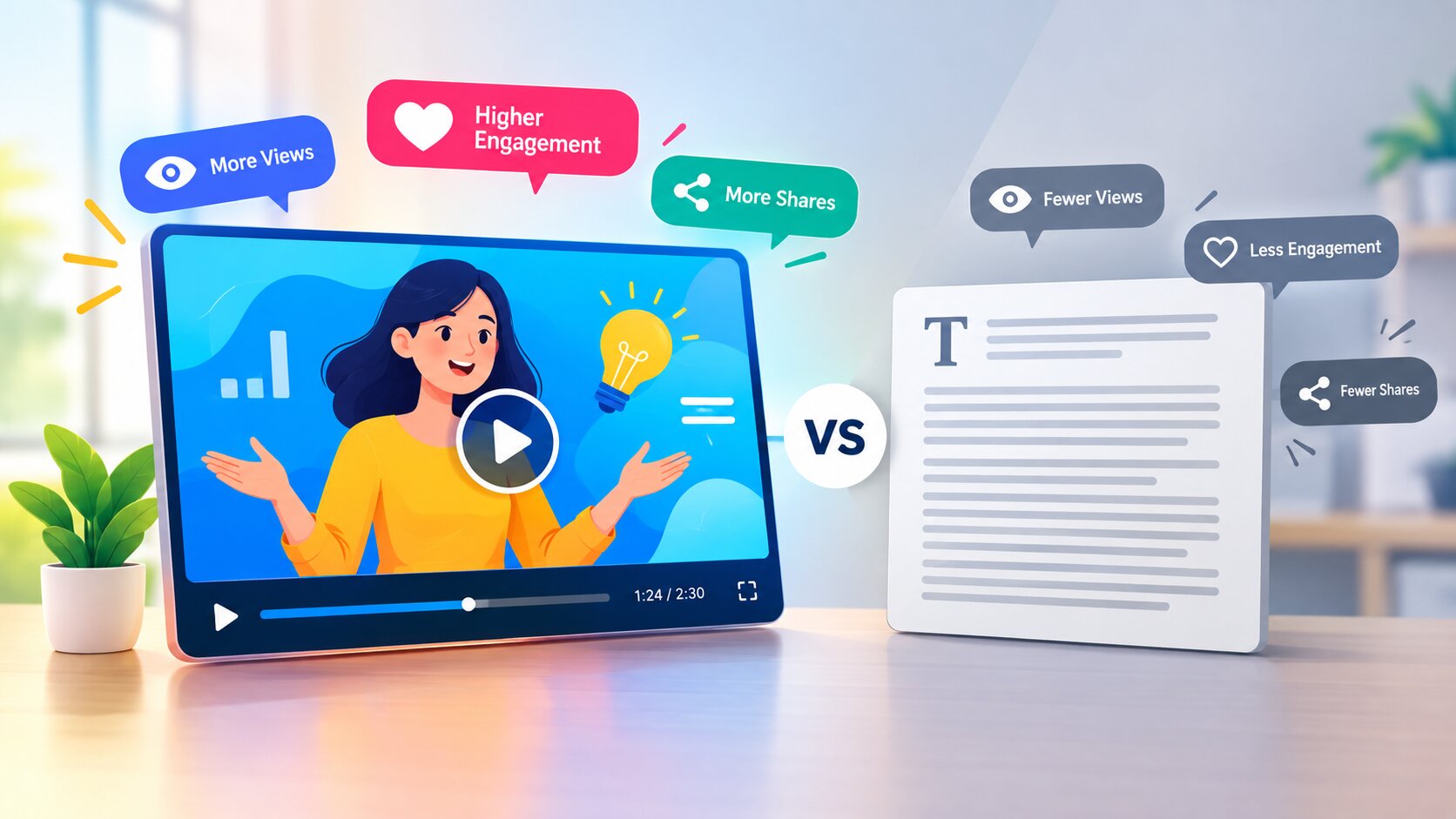
Why Animated Explainer Videos Drive Higher Engagement Than Text
Audiences scroll past dense paragraphs, but they stop and watch when a short animation explains an idea. Animated explainer videos combine motion, clear voiceover, and visuals to teach faster than plain text. They hold attention and stay in a viewer's memory far longer than written copy. Marketers notice the same pattern on landing pages, product tours, and social feeds. The reasons behind that gap start with how people process visual information.
How people process visual information
The brain reads images far faster than it decodes long strings of written words. One frame can show a process that text needs several sentences to explain. Motion adds direction, so viewers follow each step without rereading anything.
Attention holds much better when spoken words and moving pictures work together on screen. The clearest benefits of animated explainer videos come from that pairing, since narration and synchronized visuals deliver a single message. As a result, people absorb the idea quickly, without pausing to reread a line or guess what happens next.
Where video outperforms text on engagement
Engagement data tells a consistent story across marketing channels. Pages with video keep visitors on screen longer than pages built from text alone. That extra dwell time signals interest to search engines and to sales teams.
Social platforms reward motion with wider reach and more shares. A short animated clip earns replays that a static text post rarely gets. Viewers forward videos to colleagues, spreading the message beyond the first audience.
Video near a call to action lifts click-through rates on many landing pages. A viewer who grasps the offer feels readier to act than one still reading. Clear motion removes hesitation that dense copy often creates.
How animation makes complex ideas simple
Some products resist plain description because their value hides inside a process. Animation shows that process in motion, so the benefit becomes visible within seconds. Abstract functions turn into concrete scenes a viewer can picture and recall.
Story adds a second layer that raw text struggles to match. A character with a clear problem gives viewers someone to follow and relate to. Emotion makes the message land, and it keeps people watching to the end.
Color, pacing, and sound guide the eye toward what matters most in each scene. Text cannot direct focus that precisely, so readers often miss the central point. Animation controls the sequence, so the main idea arrives at the right moment.
What the engagement gap means for retention
Memory holds on to pictures more firmly than to words on a page. People recall an animated explanation days after the same point in text fades. A repeated visual metaphor cements the idea further with each viewing.
Better recall matters for brands that want repeat attention. Someone who remembers the explanation returns with the product already in mind. That memory shortens the path from first view to final decision.
Recall also lowers the cost of every future campaign that reaches the same person. A familiar explanation needs less setup, so later messages work harder for less spend. Memory built once keeps paying back across the whole customer journey.
Frequently asked questions
Q: How long should an animated explainer video be?
A: 60 to 90 seconds works for most products and audiences. Shorter runtimes hold attention through the full message, while longer ones risk losing viewers before the main point.
Q: Do explainer videos help with search rankings?
A: Yes, in an indirect way. Video keeps visitors on a page longer, and that dwell time signals quality to search engines. Those signals can support higher rankings over time.
Q: Are animated videos better than live-action for explaining products?
A: For abstract or technical products, animation usually wins because it can show ideas the camera cannot capture. Live-action suits human stories, while animation excels at showing processes and abstract concepts.
Q: What makes an explainer video engaging rather than forgettable?
A: A single clear message and tight pacing keep viewers watching to the end. Scripts that try to cover everything lose focus, so the best videos explain one idea well.
Conclusion
Teams that still rely on text-heavy pages leave attention and recall on the table. A well-made animated explainer earns the watch time, shares, and lasting memory that written copy rarely matches. The practical next step is simple to run and quick to measure. Pick one high-traffic page, replace its densest text block with a short explainer, and track dwell time and conversions. That single test usually reveals how much engagement plain text was quietly costing.