Connect with us
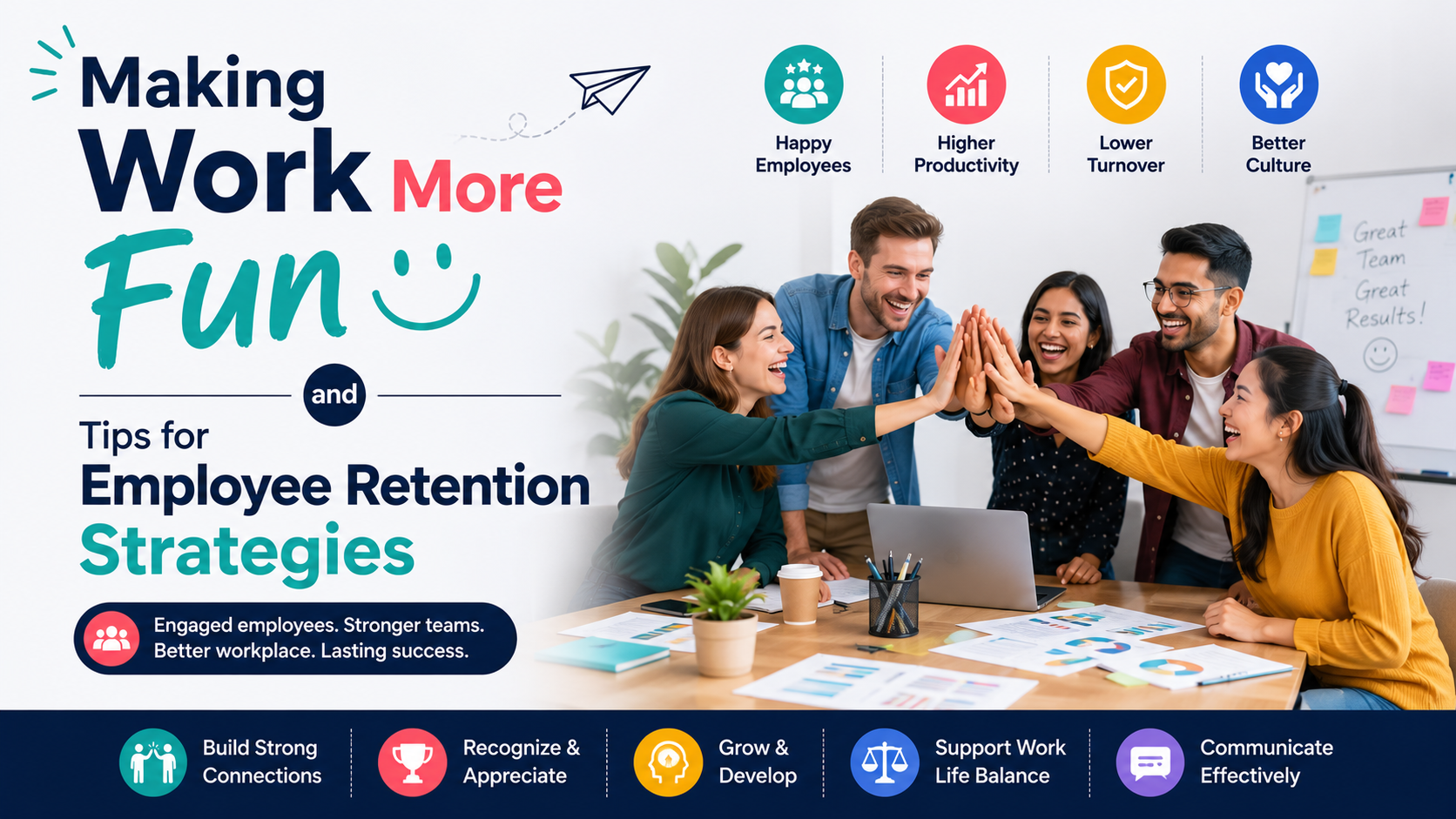
Making Work More Fun and Tips for Employee Retention Strategies
Employee retention strategies are initiatives that help organizations improve employee satisfaction, reduce turnover, and create a positive workplace culture. Effective retention strategies include employee recognition, flexible work arrangements, career development, wellness programs, and team collaboration. In this guide,
12 Employee Retention Strategies to Improve Workplace Engagement
1. Go Out Together
Going out with your team for a regular day or night outs is a great way to ensure every employee is having fun and forming relationships outside offices that will enhance collaboration back at work.
Going out together creates lots of fun for the employees and is a perfect team-building exercise that helps relax the mind. According to Wohoo Inc's Chief Happiness Officer, socializing with your staff is vital in developing a collaborative culture. Socializing and getting to know your employees as people will enable you to trust and communicate with each other more and work together. With that said, it doesn't just apply to corporate companies; other groups, such as plumbing marketing teams or digital marketing agencies, may also engage in or start similar activities.
2. Have a Games Area
Encouraging your staff to take regular breaks is one way to keep them motivated and refreshed. Their breaks should be away from their desks; therefore, you should create a fun and relaxing game area where they go and clear their minds for a few minutes.
You can have a pool table, a small area with a picnic bench, bean bags, and a sofa. Employees should be permitted to take their work laptops over to the court or have a game of pool anytime they want to change the scenery or have a break.
3. Celebrate Small Wins
Everybody wants to be appreciated for the work they do in an organization. The employer's gratitude can significantly impact the employee's retention rate. So, thank your staff and tell them how their hard work helps the organization. You can also have a formal reward system to encourage brilliant ideas and innovation.
Additionally, you can apply for an effective recognition program even if you have a limited budget or a small team. If you want to make your team have fun at work, you have to make them feel they are making progress by celebrating their small wins.
4. Encourage Friendship
Colleague's socialization can extend beyond team building day and work drinks on Friday. Tom Rath, the author of Vital Friends, says that employees with their best friends at work are engaged 7 times more than those without.
It’s important to use team building activities outwith ‘work drinks’, using problem-solving tasks which are fun and can transfer into the office during collaboration periods and the general working environment. In addition to this, work drinks can be ant-inclusive for those who don’t drink.
Harvard Business Review has also published research highlighting how strong workplace relationships and effective leadership contribute to employee engagement and retention. According to research, work friendship can lead to a high level of teamwork, satisfaction, and a reduction of sick days.
5. Peer-to-Peer Feedback
As a boss, you may need help to understand what every employee does daily. You need to spend your time micromanaging, which nobody likes, to notice the fantastic work your employee does. Feedback in the workplace is essential for making progress, but you need to know everything at work to develop a culture of frequent and helpful feedback.
To ensure your team is getting the correct feedback, try peer-to-peer, where you encourage your staff to give each other constructive and positive feedback.
6. Provide Mentorship Programs
A mentorship program is a perfect professional development for your employees because it improves the whole team's productivity, especially when you group experienced employees with the less experienced ones.
It can help increase employee retention because it enables new staff to feel that they have someone guiding them. Similarly, employees who have been in the company for a long time feel the excitement of mentoring someone beneath them.
7. Encourage Work-life Balance
Employees can become less dedicated to their job, stressed, and aggravated if there is no work-life balance. According to Gallup's workplace research, employee well-being and engagement are closely connected to long-term retention.
Employees who feel overextended and burnt out want to avoid staying around the company.
To integrate work-life balance into your organization's culture, you can clearly define the working hours and avoid discussing work topics at happy hours or have flexible policies that enable people to create their schedules. You should be at the forefront if you are the manager or business by avoiding overstaying in the office or texting employees with after-hours work chats.
8. Encourage Hobbies at Work
Everyone has something that they are passionate about. You can give your team a half-hour to work on their hobbies. It is a great way to refresh their mind, relieve stress, and provide an opportunity for the team to bond over a common interest.
Your employees can engage in hobbies like adult coloring books, knitting, model building, or scrapbooking.
9. Share Photos of Your Pets or Children
According to Hiroshi Nittono of Hiroshima University research, looking at cute animal pictures at work can improve your mood and productivity.
Therefore, showing canvas photo tiles prints for wall art of their pets and children to colleagues can help employees develop friendships and create a more loyal and happier workforce. You can do this across Troop Messenger, the team collaboration platform that supports a wide range of multimedia file-type sharing.
10. Flexible Work Arrangement
Most employees prefer working remotely for jobs that don't require them to be in offices. Some employees may even tender their resignation if there is no such option. According to a survey by Robert Half, 50% of professional employees working from home would look for a new job if required to work full-time in their offices.
Therefore, consider what you can offer your employees if it is impossible to work remotely. Flex time and partial telecommuting options can help relieve stress and increase employee retention.
11. Create Employee Wellness Program
You will reduce healthcare costs and improve employee retention if you invest in their health. Employees also tend to be more motivated, less stressed, and happier when their organization shows an interest in their well-being. Health & Wellness Marketing Agencies can also help organizations communicate wellness initiatives and promote health-focused programs to employees and their wider audiences
Nutritional education, weight loss programs, provide access to mental health memes stuff, and free health screening is some well-being programs you can offer to your staff.
12. Show Employee Appreciation
The Society for Human Resource Management (SHRM) also emphasizes that employee recognition plays a significant role in improving retention and workplace satisfaction.. According to research, having an employee appreciation program reduces employee turnover by over 30%.
Employees feel appreciated in different ways; you should therefore find the appreciation language that suitably fits each employee.
Why Employee Retention Matters
Employee retention plays a vital role in maintaining a productive and motivated workforce. High employee turnover increases recruitment costs, disrupts team collaboration, and reduces overall productivity. Organizations that invest in employee engagement, recognition, career development, and workplace culture are more likely to retain experienced professionals and improve long-term business performance. Creating an environment where employees feel valued, supported, and connected helps strengthen loyalty while contributing to organizational success.
Conclusion
Employee retention is not achieved through a single initiative but by consistently creating a workplace where employees feel valued, supported, and motivated. Simple actions such as recognizing achievements, encouraging work-life balance, offering career development opportunities, and promoting team collaboration can significantly improve employee satisfaction and reduce turnover. Businesses that invest in their people build stronger teams, improve productivity, and create a positive workplace culture. By implementing these employee retention strategies and using effective collaboration tools like Troop Messenger, organizations can foster better communication, strengthen employee engagement, and support long-term business success.
FAQs
1. What are employee retention strategies?
Employee retention strategies are policies and practices designed to keep talented employees engaged, satisfied, and committed to an organization. These strategies include employee recognition, competitive benefits, flexible work arrangements, career development opportunities, wellness initiatives, and effective communication. A strong retention strategy helps businesses reduce turnover, improve productivity, and create a positive workplace culture.
2. Why is employee retention important?
Employee retention helps organizations reduce recruitment costs, maintain productivity, preserve institutional knowledge, and improve employee morale. High retention rates also strengthen workplace relationships, enhance collaboration, and contribute to better customer experiences. Investing in employee engagement creates a more stable and motivated workforce.
3. How can companies improve employee retention?
Companies can improve employee retention by recognizing employee achievements, providing career growth opportunities, promoting work-life balance, encouraging open communication, offering competitive compensation, and supporting employee well-being. Building a positive company culture and using collaboration platforms also helps employees stay connected and engaged.
4. How does team collaboration improve employee retention?
Strong team collaboration creates better communication, trust, and transparency across the organization. Employees who feel connected with their colleagues and managers are more likely to remain engaged and committed to their work. Collaboration platforms like Troop Messenger help teams communicate efficiently, share information securely, and strengthen workplace relationships, contributing to higher employee satisfaction and retention.
5. What are the common causes of employee turnover?
Employee turnover can occur for several reasons, including limited career growth opportunities, poor management, lack of employee recognition, inadequate compensation, work-related stress, and poor work-life balance. Employees are also more likely to leave organizations where communication is ineffective or workplace culture is unhealthy. By identifying these challenges early and addressing employee concerns through regular feedback and engagement initiatives, businesses can improve job satisfaction and significantly reduce turnover rates.