Connect with us
Decentralized Cybersecurity: Navigating Operational Complexities in Distributed IT Environments
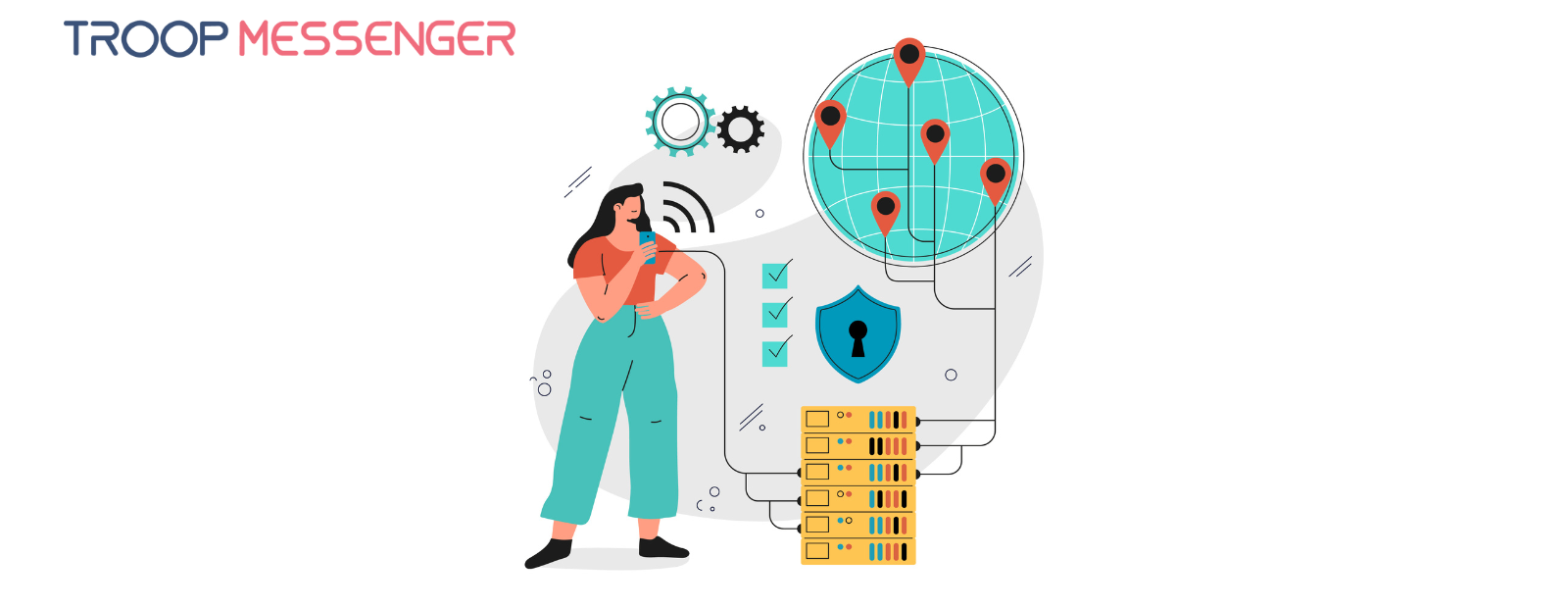
As organizations continue to embrace digital transformation, the architecture of IT environments is becoming increasingly distributed. The traditional centralized cybersecurity models, which relied heavily on securing a singular network perimeter, are no longer sufficient in addressing the dynamic threat landscape. Decentralized cybersecurity acknowledges the reality that IT assets, data, and users are dispersed across multiple locations, devices, cloud platforms, and even geographic regions. This dispersion introduces a new set of operational complexities that organizations must navigate to maintain robust security postures.
The move toward decentralization reflects broader trends in remote work, cloud adoption, and edge computing. For instance, the number of employees working remotely increased dramatically during the COVID-19 pandemic and has stabilized at a higher baseline, with many organizations adopting hybrid models permanently. This shift means that security controls must extend beyond traditional office environments to secure endpoints anywhere in the world.
According to a recent Gartner report, by 2025, approximately 70% of organizations will adopt decentralized cybersecurity architectures to better address risks inherent in distributed operations. This statistic underscores the urgency for organizations to rethink their security strategies as they transition to distributed IT infrastructures.
Decentralized cybersecurity frameworks emphasize embedding security controls at every node and device rather than relying on a centralized security hub. However, this approach also amplifies challenges such as maintaining consistent policy enforcement, achieving real-time threat visibility, and ensuring compliance with diverse regulatory requirements. Addressing these challenges requires a combination of technological innovation, process refinement, and strategic partnerships
Understanding the Operational Complexities in Distributed IT
Distributed IT environments are characterized by a broad array of components: interconnected systems, cloud services spanning multiple providers, edge devices operating at the network fringe, and remote users accessing resources from various locations. Each of these elements increases the attack surface and introduces unique vulnerabilities.
One of the foremost operational complexities is achieving comprehensive visibility. Traditional security monitoring tools were designed for centralized data centers and cannot easily scale to cover disparate endpoints and multi-cloud environments. Without unified visibility, security teams risk blind spots that adversaries can exploit. For example, endpoints such as laptops, mobile devices, and IoT sensors generate a vast amount of telemetry data that must be collected, correlated, and analyzed in near real-time to detect anomalies.
Another complexity is managing security policies across heterogeneous administrative domains. Different business units or geographic regions may have their own IT teams and security standards. This decentralization can lead to inconsistent policy implementation, creating gaps that attackers might leverage. Moreover, the pace of change in such environments is rapid, with new devices and services continually added, requiring agile and scalable security management.
In this landscape, partnering with specialized cybersecurity service providers can be invaluable. Organizations can benefit from the expertise and advanced tools these providers bring to the table. For example, acctek.com offers tailored cybersecurity solutions designed specifically to manage the challenges of distributed networks. Their services include end-to-end visibility, centralized management interfaces, and real-time threat intelligence, all essential components for securing decentralized IT environments effectively.
The Role of Trusted IT Service Providers
The complexities of decentralized cybersecurity often exceed the capabilities of in-house teams, particularly for small and mid-sized organizations. Engaging a reliable IT partner can help bridge gaps in expertise, technology, and operational capacity. For instance, Aether, a trustworthy IT firm, exemplifies how expert firms can assist organizations in integrating advanced security frameworks, automating incident response, and ensuring compliance across distributed infrastructures.
Such firms typically offer managed security services that encompass continuous monitoring, threat intelligence sharing, and rapid response to incidents. This external support enables organizations to scale their defenses without proportionally increasing internal headcount or infrastructure costs. The global managed security services market reflects this trend, projected to reach $47.8 billion by 2027, highlighting the growing reliance on external expertise to secure complex IT ecosystems.
Moreover, trusted IT providers bring valuable insights into emerging threats and best practices gleaned from monitoring multiple clients and industries. This broad perspective allows them to implement proactive defenses tailored to the specific challenges of decentralized environments, such as securing cloud workloads, protecting edge devices, and managing identity across multiple platforms.
Key Strategies for Managing Decentralized Cybersecurity
Navigating decentralized cybersecurity requires adopting a range of strategies that collectively enhance security posture while accommodating the operational realities of distributed IT.
1. Implement Zero Trust Architecture
Zero Trust is foundational for decentralized security. It operates on the principle that no user or device should be trusted by default, regardless of network location. This model mandates strict identity verification, least privilege access, micro-segmentation of networks, and continuous monitoring. By applying Zero Trust principles across all nodes and devices, organizations can significantly reduce the attack surface and limit the lateral movement of threats within the network. This approach is especially effective in environments where traditional perimeters no longer exist.
2. Leverage Automation and Artificial Intelligence
The sheer volume and velocity of security data generated in distributed environments exceed human capacity for timely analysis. Automation and AI-driven security tools are crucial for processing vast datasets, identifying suspicious patterns, and orchestrating rapid responses. According to a study by Capgemini, 69% of organizations believe AI is necessary to respond to cyberattacks effectively, reflecting growing confidence in machine-assisted defense capabilities. Automated threat hunting, behavioral analytics, and predictive modeling are examples of AI applications enhancing decentralized cybersecurity.
3. Centralized Policy Management with Decentralized Enforcement
While security enforcement must occur locally at each node to reduce latency and enable context-aware decisions, policy management benefits from centralization. Centralized platforms allow security teams to define, update, and audit policies consistently across the distributed environment. Security orchestration, automation, and response (SOAR) tools help synchronize configurations, deploy patches, and mitigate policy drift, thus enhancing governance and compliance.
4. Continuous Training and Awareness Programs
Human error continues to be a leading cause of security breaches. In decentralized environments, where teams may be dispersed globally and operate with varying levels of cybersecurity maturity, regular training is essential. Awareness programs tailored to specific operational contexts help ensure that employees understand their roles in maintaining security, recognize phishing attempts, and follow best practices for data protection.
5. Robust Incident Response and Recovery Planning
Decentralized environments must prepare for inevitable security incidents with well-defined response plans that account for geographic dispersion and diverse technology stacks. Incident response teams need tools and protocols to coordinate across locations, contain breaches quickly, and restore services. Incorporating backup and disaster recovery strategies that span multiple sites and cloud providers is also critical to minimizing downtime and data loss.
Overcoming Compliance and Regulatory Hurdles
Distributed IT environments often cross multiple regulatory jurisdictions, each imposing distinct data protection and cybersecurity requirements. For example, organizations operating in the European Union must comply with GDPR, while those in the United States may need to adhere to HIPAA, CCPA, or industry-specific regulations. Managing compliance in such scenarios demands granular data flow controls, encryption, and detailed audit trails.
Adopting internationally recognized compliance frameworks such as NIST Cybersecurity Framework or ISO/IEC 27001 can provide a structured approach to managing security risks and regulatory obligations. These frameworks can be adapted to decentralized environments by incorporating controls specific to cloud security, identity management, and third-party risk.
Moreover, organizations should invest in continuous compliance monitoring tools that provide real-time alerts on policy violations and enable automated reporting. This proactive stance reduces the risk of costly fines and reputational damage associated with non-compliance.
Conclusion: Embracing a Holistic and Adaptive Security Posture
Decentralized cybersecurity is a complex but necessary evolution in response to the realities of modern IT environments. It transcends purely technical challenges and requires a comprehensive approach that integrates technology, processes, people, and partnerships.
Organizations must embrace adaptive security architectures, such as Zero Trust, and leverage advanced technologies like AI and automation to maintain visibility and control over distributed assets. Engaging trusted IT partners can augment internal capabilities, providing specialized expertise and scalable solutions tailored to decentralized infrastructures.
Furthermore, addressing regulatory compliance proactively and fostering a culture of security awareness across distributed teams are critical for sustaining long-term resilience. According to industry analyses, organizations that adopt holistic decentralized cybersecurity strategies reduce breach costs and improve operational continuity.
Ultimately, the journey toward decentralized cybersecurity is ongoing. As IT environments continue to evolve, so too must the security strategies that protect them. By adopting a forward-looking, collaborative approach, organizations can transform operational complexities into strategic advantages, safeguarding their critical assets and enabling innovation in a distributed digital world.