Connect with us
Why Custom Fulfillment Workflows Need Communication Built for the Job
Online retail, store replenishment, subscriptions, and wholesale orders all move through a warehouse differently. Treat them the same and you get delays, extra handling, and inventory that nobody quite trusts. That is why more businesses are moving away from one-size-fits-all fulfillment and building processes around their own products, channels, and customers.
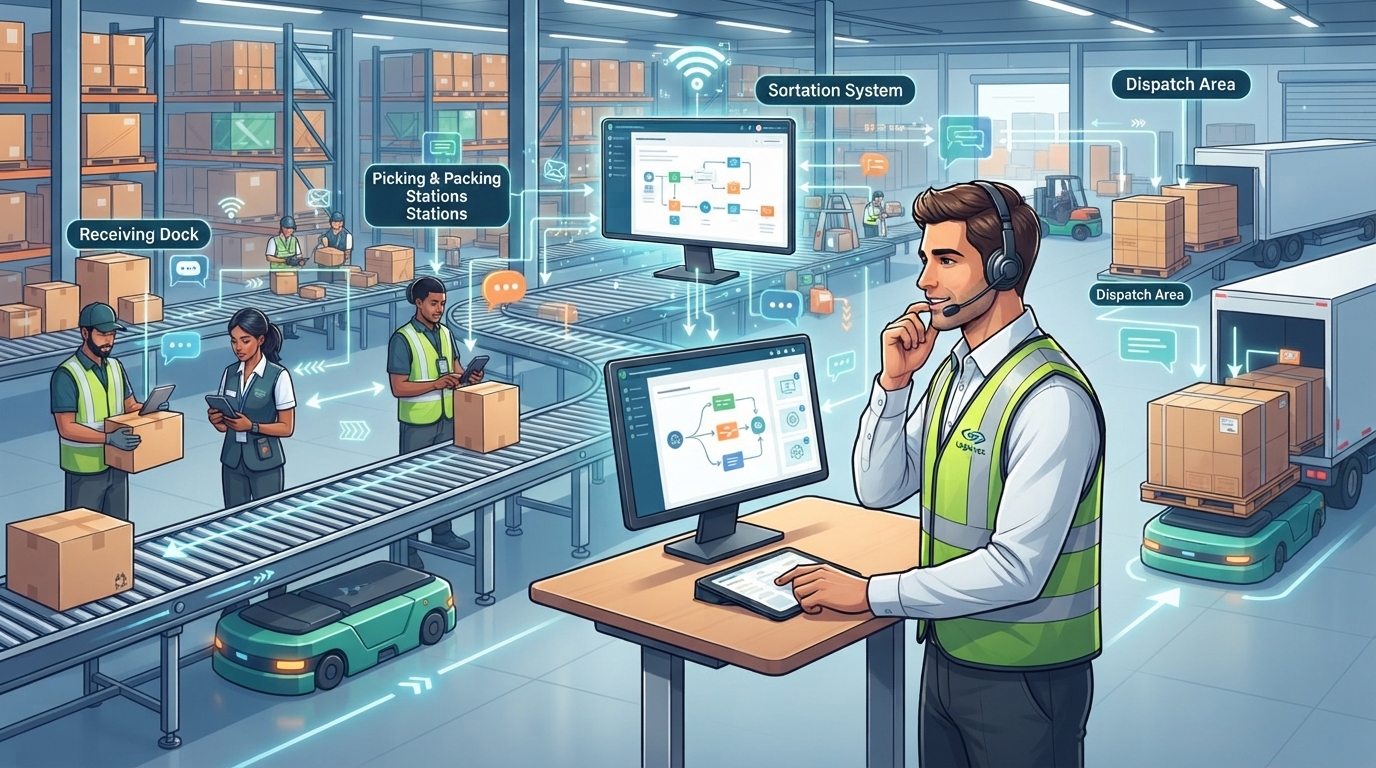
But the process on paper is only half the story. Every custom workflow depends on people talking at the right moment: the picker who finds damaged stock, the supervisor who reroutes a rush order, the carrier coordinator who needs a corrected label in ten minutes. If those conversations happen on personal phones and scattered email threads, even a well-designed workflow starts to leak. This is where a secure team communication platform like Troop Messenger earns its place.
Order profiles require different workflows
A direct-to-consumer order usually needs fast picking, parcel shipping, and delivery updates. A retail order may need carton labeling, routing instructions, and less-than-truckload freight. Subscription orders follow scheduled dates, while wholesale orders often involve larger quantities and stricter documentation.
A good order fulfillment solution accounts for these differences before inventory ever enters the facility. It assigns the right picking method, packaging steps, shipping service, and quality checks to each order type, which cuts down on manual correction and keeps one sales channel from disrupting another.
Here is the part that often gets overlooked. Each of those order types has its own people attached to it: a retail compliance lead, a subscription planner, a wholesale account manager. When a problem appears, the question is always the same: who needs to know, and how fast? With dedicated channels in Troop Messenger for each order stream, the right team sees the right issue without wading through everyone else's noise. A wholesale documentation question stays in the wholesale channel. A parcel carrier delay goes straight to the people who can act on it.
Product handling affects operating cost
Product characteristics shape nearly every fulfillment decision. Fragile goods need protective packaging and careful movement. Apparel may need labels, hangers, bags, or folding. Kits need components gathered, checked, and packed in the correct combination.
A standard process often adds work after the order reaches the packing station. Custom fulfillment builds those requirements into the plan from the start. Value-added services such as kitting, multipack assembly, labeling, and product reconfiguration reduce repeated handling and give customers a more consistent experience.
Inventory location matters too. Fast-moving items belong where workers can reach them quickly, and seasonal products need storage plans that handle demand spikes without crowding everyday stock. A custom model ties storage decisions to product movement, order volume, and shipping commitments.
Handling rules only work if everyone on the floor sees the same instructions. Imagine a supplier changes the packaging spec for a fragile item overnight. If that update lives in one person's inbox, half the shift will pack it the old way. Posting the change in a team channel, pinning the revised packing sheet, and sharing a quick photo of the correct setup means the whole team starts the shift on the same page. Troop Messenger supports file sharing, group conversations, and quick calls, so a handling question can be settled in a minute instead of after a returned shipment.
Multiple channels need shared control
Many companies sell through their own websites, retail stores, marketplaces, and business accounts. Each channel has its own order rules, yet inventory still comes from one pool. When systems are disconnected, you see inaccurate availability, split orders, and stock transfers that never needed to happen.
Omnichannel fulfillment gives teams visibility across locations and order types. A shared inventory view helps operations allocate stock according to channel requirements and delivery commitments. The same network can handle direct-to-consumer shipments, store replenishment, business orders, and buy-online, pick-up-in-store activity. It can also support drop shipping and marketplace requirements without creating separate operating silos.
Shared inventory data still needs shared conversation. When the e-commerce team is about to run a promotion and the warehouse is low on a top seller, that gap should be raised in real time, not discovered when orders start failing. A single workspace where merchandising, warehouse, customer service, and transport teams can talk, share documents, and jump on a call keeps each channel running its own process.
Growth changes the right fulfillment model
Order volume rarely stays constant. Promotions create short spikes, and new products, retail accounts, or subscription programs change the daily order profile. A fixed process may work well during stable periods and then break when volume or variety increases.
Custom fulfillment uses processes that expand or contract with demand. Automation and robotics can take on repetitive work, while flexible labor and storage plans absorb changes in product mix. The goal is not to buy equipment for its own sake. It is to apply the right level of technology to the work that actually needs doing.
Growth also forces decisions about locations. Multiple facilities can shorten delivery distance and support regional inventory placement, but a custom plan should test whether the service gain justifies the extra coordination.
That coordination cost is real. Add a second facility, a third-party carrier, or seasonal staff, and the number of people who need accurate information multiplies. Adding team members to the right channels takes seconds, and role-based access keeps pricing and customer data limited to those who need it.
Service quality depends on control
Customers judge a brand through the order experience. The correct product, an accurate promise, and suitable packaging all shape that judgment. Fulfillment errors create replacement costs, service inquiries, and lost confidence. Even large retailers treat delivery speed and reliability as a direct driver of customer satisfaction, which shows how closely the two are linked.
Quality control should match the order process. Kitted products need component checks. Personalized orders need verification before sealing. Retail shipments need labels and quantities checked against routing requirements. Subscription orders need profile-based selection and scheduled release.
Real-time order and delivery visibility gives service teams better information as well. They can spot delays earlier, answer customer questions with accurate status details, and handle exceptions before they grow into larger problems.
Where Troop Messenger fits into a custom fulfillment model
Fulfillment teams handle sensitive information every day: customer addresses, supplier pricing, retail account terms, shipment manifests. Sending that through consumer chat apps is a risk most operations managers would rather not take. Troop Messenger is built as a secure collaboration platform for business use, with encrypted conversations, admin controls, and deployment options that suit organizations with strict data requirements.
In day-to-day terms, that looks like this:
- Channels by workflow. Separate spaces for direct-to-consumer, retail, subscription, and wholesale teams, plus a shared channel for exceptions that touch more than one stream.
- Fast file and photo sharing. Damaged goods, label errors, and packing instructions are easier to show than describe.
- Quick calls and screen sharing. When a pick path or a carrier portal issue needs explaining, a two-minute call beats a long thread.
- Clear access control. Admins decide who sees what, so customer and pricing details stay with the right people.
None of this replaces the warehouse management system or the shipping software. It connects the people who use them.
Conclusion
Custom fulfillment works because it ties operational decisions to the actual business model. Product requirements, order profiles, channel rules, inventory locations, and volume changes all shape the right process. The people running that process need a dependable, secure way to coordinate, or the design never fully delivers.
A practical next step is to map each order type, list the handling steps it requires, and compare that map with how your teams communicate today. Wherever information gets lost, delayed, or shared in the wrong place, there is room to cut cost and errors, and a team workspace like Troop Messenger is a straightforward place to start closing those gaps.
Frequently Asked Questions
Q: What is custom fulfillment?
A: Custom fulfillment is a way of running order processing around a company's own products, order types, sales channels, and customer expectations instead of a single fixed process. It assigns different picking, packing, shipping, and quality steps to different orders.
Q: How does team communication affect fulfillment accuracy?
A: Most fulfillment errors start with missing or late information, such as an outdated packing instruction or an unreported stock issue. When teams share updates in organized channels, problems are caught earlier and corrected before the order ships.
Q: How can Troop Messenger help warehouse and logistics teams?
A: Troop Messenger gives teams a secure place for group chats, file sharing, calls, and screen sharing. Warehouse, customer service, and transport teams can coordinate on exceptions in real time while admins control who has access to sensitive information.
Q: Is Troop Messenger suitable for businesses with strict data security needs?
A: Yes. It is designed for organizations that handle confidential information and need control over their data, which includes customer details, supplier pricing, and shipment records common in fulfillment operations.
Q: What is a good first step toward a custom fulfillment model?
A: Map every order type, note the handling steps each one needs, and compare that map with your current process and communication habits. The gaps you find show where changes will save the most time and money.