Connect with us
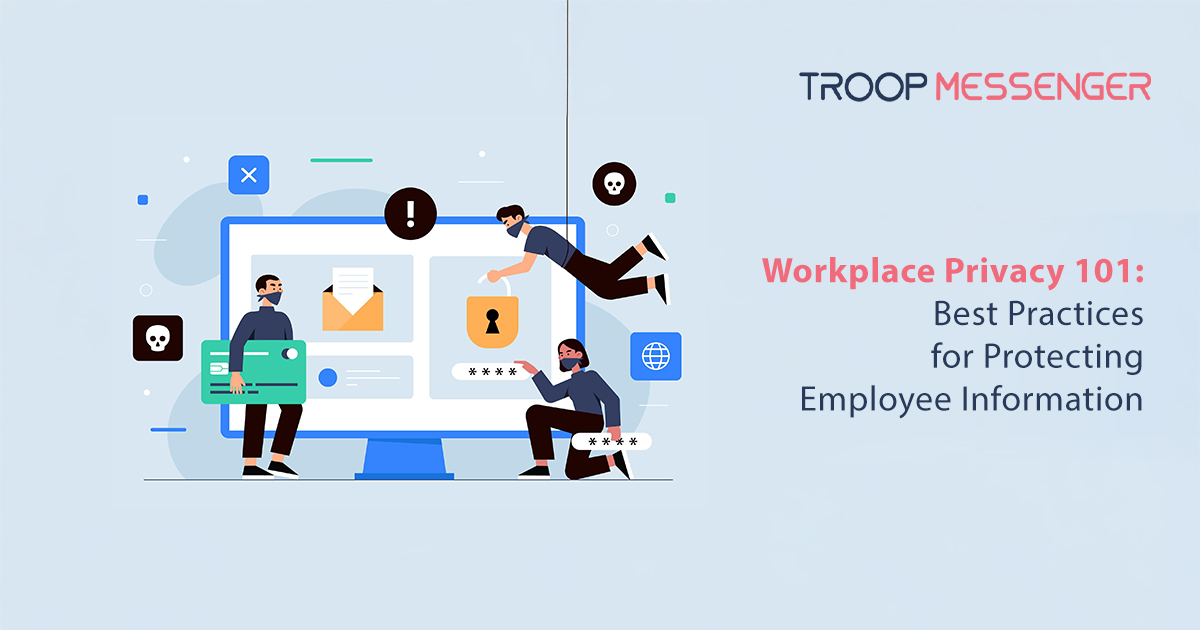
Workplace Privacy 101: Best Practices for Protecting Employee Information
Employee privacy has become a fundamental responsibility for organizations of every size. Businesses collect and manage a wide range of sensitive employee information from personal identification and payroll records to medical details and performance data. Protecting this information is essential for maintaining employee trust, meeting legal and regulatory requirements, and reducing the risk of cyber threats.
This guide explains workplace privacy, why protecting employee information matters, and the best practices organizations can implement to strengthen data security. It also explores common workplace privacy risks, practical ways to safeguard sensitive employee data, and how businesses can create a privacy-first culture that supports long-term compliance and organizational success.
According to IBM's Cost of a Data Breach Report, the average global cost of a data breach has reached US$4.88 million, demonstrating why protecting employee and organizational data is a business priority rather than simply a compliance requirement.
Why Workplace Privacy is So Important
Think about it: companies store huge amounts of sensitive personnel records, which include not only home addresses, but also extremely confidential information such as Social Security Numbers, financial details, medical records, family contact info...
The sheer volume of personal data held by organizations makes them prime targets for cybercriminals.
Imagine the repercussions of a privacy breach that exposes this sensitive employee data to the public; not only does it jeopardize the safety and well-being of employees, but it can also lead to enormous and possibly irreparable reputational damage for the business itself.
Recent statistics highlight the severity of this issue: in recent industry reports, over 299 million data records were compromised, marking a terrifying 613% increase from the previous year.
These breaches affect companies of all sizes and across various industries, which just goes to prove that no organization is immune to the threat of data exposure...
In fact, 80% of companies in the U.S. and 85% globally reported being successfully hacked at least once, which often resulted in the theft or compromise of critical data.
What Happens If A Company Suffers A Data Breach?
While devastating, the effects of data breaches aren’t just financial… They can also have massive, long-lasting impacts, like damaging customer trust and hurting employee morale (not to mention putting them all at risk).
For example, when employees feel that their personal information isn’t being taken care of properly, it’s inevitably going to create a sense of distrust (and perhaps even bitterness) in the workplace – and towards their employer.
This sense of insecurity can lead to a million other things, like decreased productivity and increased turnover, since employees are naturally going to look for more secure environments elsewhere.
And that’s just one of the many reasons why it’s so important to handle employee information ethically and securely.
Companies need to put strong data protection measures in place to cover all kinds of sensitive information – from financial records to health data – to effectively reduce these risks.
Real Consequences
A workplace data breach can have far-reaching consequences beyond immediate financial losses. It can expose sensitive employee information, disrupt business operations, damage employee trust, and harm an organization's reputation. In many cases, businesses may also face regulatory investigations, legal action, or financial penalties for failing to protect personal data and comply with privacy regulations such as the General Data Protection Regulation (GDPR) or the Health Insurance Portability and Accountability Act (HIPAA), where applicable.
According to IBM's Cost of a Data Breach Report, the average global cost of a data breach is US$4.88 million, covering expenses such as incident response, legal fees, operational disruption, and recovery efforts. Beyond these direct costs, rebuilding trust with employees, customers, and stakeholders can take years, making proactive workplace privacy and data protection practices essential for every organization.
Types of Employee Data and How to Protect It
Every organization collects different types of employee information throughout the employment lifecycle. Identifying which data is most sensitive allows businesses to apply appropriate security controls, reduce privacy risks, and comply with relevant data protection regulations. Understanding these data categories is the first step toward building an effective workplace privacy strategy.
Not all employee information is equal. Some data requires extra protection due to its sensitive nature.
Understanding the different types of data your company collects is important in order to implement the right security measures.
Take a moment to think about what kind of data your company collects:
- Names, addresses, and phone numbers: This basic contact information is often the first line of personal data that needs safeguarding, since it can be used for identity theft or targeted scams.
- Medical records and health insurance information: This type of data is highly sensitive and protected under laws like HIPAA. Unauthorized access can lead to serious privacy violations and legal repercussions.
- Performance reviews or disciplinary notes: These documents contain personal evaluations that can impact an employee's career. If leaked, they can damage reputations and create a hostile work environment.
- Payroll details like bank account numbers: Financial information is particularly vulnerable and valuable to cybercriminals. A breach involving this data can lead to direct financial theft and significant distress for affected employees.
So how do you keep all of this data safe?
1. Make Privacy Policies Clear and Simple
Every workplace needs a privacy policy, but it shouldn’t feel like reading a legal textbook; after all, you want your employees to also be able to read through it and understand what exactly it entails.
Employees, like any other citizen, have the right to know what data is collected about them, for what purpose and for how long, as well as how this data is stored – and which protective measures are taken to secure it.
A good policy explains:
- What data the company collects: This includes personal information, work-related data, and any other relevant details.
- How it’s stored: Employees should know whether their data is kept digitally or in physical files, and what security measures are in place to protect it.
- Who can see it: Clarifying who has access to employee data helps ensure that only authorized personnel can view sensitive information (ie. no Jenny from Marketing snooping through their stuff).
- How employees can access or correct their own information: Providing a clear process for employees to review and update their data empowers them and reinforces their rights.
- How long it’s stored: Transparency about data retention policies helps employees understand how long their information will be kept and when it will be disposed of securely.
By keeping privacy policies clear and simple, organizations not only comply with legal requirements, but they also create a culture of openness that benefits and reassures both the company and its employees.
2. Limit Access to Sensitive Data
Not everyone in the office needs access to everything.
For example, should someone in marketing be able to view an employee’s medical leave forms? Probably not.
Stick to the “need-to-know” rule. Some HR employees might need access to payroll, but managers probably don’t. The fewer people handling sensitive data, the lower the risk of mistakes or misuse.
Another pro tip is to keep a log of anyone who’s accessed data.
3. Train Your Team
Even the best security systems won’t help if employees don’t know how to handle data properly.
Most breaches happen because of simple mistakes – clicking a phishing email, using weak passwords, or accidentally sharing sensitive info.
Regular training can make a big difference. Teach your team how to:
- Spot phishing scams.
- Create strong, unique passwords.
- Think twice before sharing screenshots or photos showing the content on their work computers.
- Report potential breaches or mistakes quickly.
According to Verizon’s latest privacy regulations , 82% of data breaches involved some type of human element. So – are you still considering whether a team training is worth it?
By focusing on education, you’re tackling a major weak spot – the biggest weak spot.
4. Invest in Secure Technology
Outdated systems are also a ticking time bomb. Investing in modern, secure software is one of the best ways to protect data and prevent potential breaches.
As technology evolves, so do the methods used by cybercriminals, which is why it is so essential to stay ahead of the curve.
Some key tools to consider:
- Encryption: Makes data unreadable to unauthorized users.
- Two-Factor Authentication: Adds an extra layer of security for logins.
- Backups: Ensures you can recover information if something goes wrong.
Also, give employees a direct line – an alternative number or email – to report privacy concerns, like phishing attempts or suspicious activity.
This encourages a proactive approach to security and helps create a culture where everyone feels responsible for protecting sensitive information.
5. Regularly Check Your Privacy Practices
Think of audits as check-ups for your systems. They help you spot weaknesses before they turn into problems.
Ask yourself:
- Are we following the latest privacy laws?
- Is everyone using secure tools?
- Are there any unusual access patterns in the system?
6. Avoid Common Mistakes
Even well-meaning workplaces slip up. Some things to watch out for:
- Hanging onto old data: If you don’t need it anymore, securely delete it. Keeping unnecessary files increases risk.
- Using insecure platforms: Avoid free apps for discussing or storing sensitive information.
- Ignoring red flags: If something seems off, like an unusual number of people accessing private files, don’t ignore it.
Strike a Balance with Technology
Technology can help, but it can also cross boundaries. For example, tracking work hours is fine, but monitoring personal emails is not.
Be open with employees about what’s being tracked and why. Transparency builds trust and ensures everyone feels comfortable.
Conclusion
Protecting employee information is no longer just an IT responsibility—it is a shared commitment across every department within an organization. Strong workplace privacy practices help safeguard sensitive employee data, reduce cybersecurity risks, maintain regulatory compliance, and strengthen trust between employers and employees.
By implementing clear privacy policies, limiting access to confidential information, investing in secure technologies, providing regular employee training, and conducting routine privacy assessments, organizations can build a resilient workplace that protects both people and business operations. As privacy regulations and cyber threats continue to evolve, businesses that adopt a proactive, privacy-first approach will be better prepared to maintain security, support compliance, and create a safer working environment for everyone.
FAQs
1. What is workplace privacy?
Workplace privacy refers to the policies, practices, and technologies organizations use to protect employees' personal and professional information. This includes safeguarding payroll records, identification documents, medical information, performance reviews, and other confidential data. Effective workplace privacy also involves controlling access to sensitive information, complying with applicable data protection regulations, and creating transparent policies that help employees understand how their information is collected, used, stored, and protected.
2. Why is protecting employee information important?
Protecting employee information helps organizations prevent identity theft, unauthorized access, financial fraud, and data breaches while maintaining employee trust and meeting legal obligations. Strong privacy practices also reduce cybersecurity risks, improve compliance with data protection regulations, and minimize financial and reputational damage caused by security incidents. Organizations that prioritize employee privacy create a safer, more secure workplace for both employees and business operations.
3. What types of employee information should organizations protect?
Organizations should protect all sensitive employee information, including personal identification details, home addresses, payroll records, bank account information, tax documents, medical records, insurance information, emergency contacts, employment contracts, performance evaluations, disciplinary records, login credentials, and other confidential business-related information. Applying appropriate security controls based on the sensitivity of each data type helps reduce privacy risks and maintain regulatory compliance.
4. What are the best practices for workplace privacy?
Best practices include developing clear privacy policies, limiting access through role-based permissions, encrypting sensitive data, enabling multi-factor authentication, training employees regularly, monitoring system activity, conducting privacy audits, securely disposing of outdated records, maintaining regular backups, and complying with applicable privacy regulations. Combining technical safeguards with employee awareness programs creates a stronger foundation for protecting confidential workplace information.
5. How can organizations reduce the risk of employee data breaches?
Organizations can reduce privacy risks by implementing strong cybersecurity controls, regularly updating software, encrypting confidential information, monitoring user access, training employees to recognize phishing attacks, enforcing secure password policies, performing regular security audits, and developing an incident response plan. These proactive measures help identify vulnerabilities early and significantly reduce the likelihood of unauthorized access or accidental data exposure.
6. How often should workplace privacy policies be reviewed?
Organizations should review workplace privacy policies at least once a year or whenever significant business, legal, or technological changes occur. Regular reviews help ensure policies remain aligned with current privacy regulations, cybersecurity threats, organizational processes, and employee responsibilities. Periodic updates also provide opportunities to improve security practices, clarify procedures, and strengthen employee awareness of workplace privacy requirements.