Connect with us
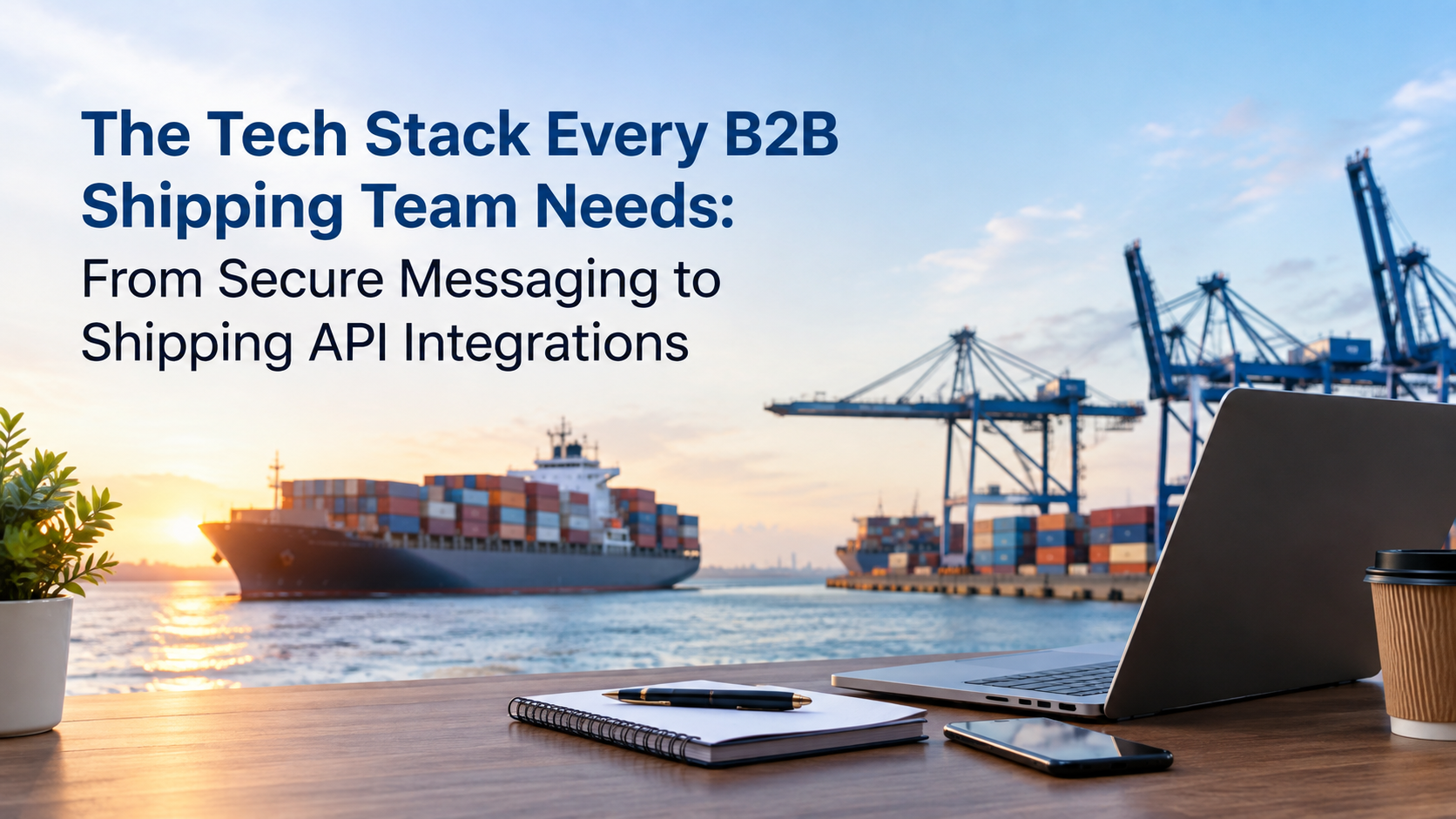
The Tech Stack Every B2B Shi Needs: From Secure Messaging to Shipping API Integrationspping Team
B2B shipping teams now work across far more systems than the warehouse software alone. A single order can pass through sales, fulfillment, carrier selection, delivery tracking, and customer service before it is complete. If those systems do not communicate well, staff spend too much time checking statuses and fixing information that should already be current.
Modern B2B and wholesale shipping solutions help reduce that friction by connecting order data with the systems responsible for fulfillment and delivery. The real value comes from how those technologies work together, not from any single platform.
A 3PL shipping API is one example of that connection, but it is only one part of the wider stack. Secure messaging, order management, warehouse systems, and carrier tools all cover different stages of the shipping process. Together, they create the infrastructure that keeps B2B orders moving without forcing employees to rebuild the same information in several places.
Secure Messaging Keeps Operational Decisions Together
Shipping still involves situations that no automated system can resolve. A customer may request a delivery change after dispatch. A warehouse team may need approval for an unusual shipping cost. Customer service may need clarification before responding to a damaged-order claim.
These conversations are easier to manage inside a secure business messaging platform than across scattered email threads. Staff can bring the right people into one discussion without losing shipment context.
For B2B teams, security also has a practical role. Shipping conversations can include customer details and commercial information. Business messaging with controlled access gives teams a safer place to discuss those cases while keeping the official shipment record in the system that owns it.
Order Management Gives Shipping the Commercial Context
Before a warehouse can prepare an order, someone has to know what the customer actually bought and under which terms.
That information usually begins in an ERP or order management platform. It contains the commercial side of the transaction and gives the rest of the stack a reliable starting point.
Shipping teams depend on this data because delivery decisions are shaped long before a label is created. The destination may affect the carrier choice. Customer terms may affect the service level. A promised delivery date may influence how quickly fulfillment needs to move.
When order information flows directly into fulfillment systems, staff do not have to recreate it manually. That also reduces the chance that a late edit remains trapped in one department while the warehouse continues working from an older version.
Warehouse Systems Turn Orders Into Physical Shipments
An order record describes what should be shipped. A warehouse management system shows what was actually picked and packed.
That difference becomes significant in B2B fulfillment. One order may leave in several cartons. Another may move as palletized freight. The final dimensions and weight may not be known until packing is complete.
A WMS keeps the shipping stack connected to that physical reality. Once fulfillment data is available, the shipping platform can work with the actual shipment rather than an estimate created earlier in the process.
The warehouse system also gives operations a current view of fulfillment progress. Customer-facing teams do not need to call the warehouse simply to find out if an order has been packed when that status already exists in the system.
Shipping Platforms Connect Fulfillment With Carriers
Once the goods are ready, the shipping platform becomes the bridge between the warehouse and the carrier network.
Its job goes beyond printing labels. It can retrieve available carrier services and apply the shipping rules that the business already uses. The platform can then create the shipment and send the resulting tracking information back into the wider order workflow.
This becomes particularly useful when a company works with more than one carrier. Shipping staff can select carriers in the same environment instead of switching between separate portals.
The strongest platforms also reduce repetitive decisions. A routine shipment can follow a predefined workflow, while unusual orders remain visible for manual review. That balance lets automation handle predictable work without hiding exceptions that still need attention.
EDI Keeps Established B2B Relationships Running
Electronic data interchange (EDI) remains deeply embedded in wholesale and enterprise commerce. Many retailers and distributors already have established EDI workflows with their suppliers, and those connections often carry some of the most structured information in the shipping process.
An advance shipping notice is one common example. It allows the receiving organization to know what is on the way before the shipment reaches the dock.
This is why EDI still belongs in a modern shipping stack even as APIs become more common. It is particularly effective when trading partners already operate through agreed business documents and established message standards.
The technology does not need to compete with newer integration methods. EDI can continue handling established partner exchanges while APIs handle the parts of the workflow that need faster responses between software systems.
Shipping APIs Connect the Stack Beyond the Business
APIs extend the shipping stack beyond internal applications. They allow the company’s software to communicate directly with carriers and external fulfillment partners without asking employees to move information between systems.
Carrier APIs can return current shipping information to the platform during fulfillment. Tracking events can later flow back into the same environment after dispatch. The exchange happens inside the existing workflow rather than through repeated checks on carrier websites.
3PL integrations take the same idea further. A company that outsources fulfillment can send orders directly to the logistics provider and receive shipment updates back once work progresses.
Customer-facing systems remain informed even though the physical order is being handled somewhere else.
This connection is where the wider stack starts to feel cohesive. Secure messaging handles the conversations that still need human judgment. Order and warehouse systems preserve the operational record. Shipping platforms manage the carrier workflow. APIs then connect those systems with the outside partners responsible for moving the goods.
For B2B shipping teams, the goal is not to accumulate more software. It is to remove the gaps between the tools that already handle different parts of the order.
A strong stack lets each system do one job well while keeping information available to the next one. That way, shipping teams spend less time chasing updates and more time handling the exceptions that genuinely need their attention.