Connect with us
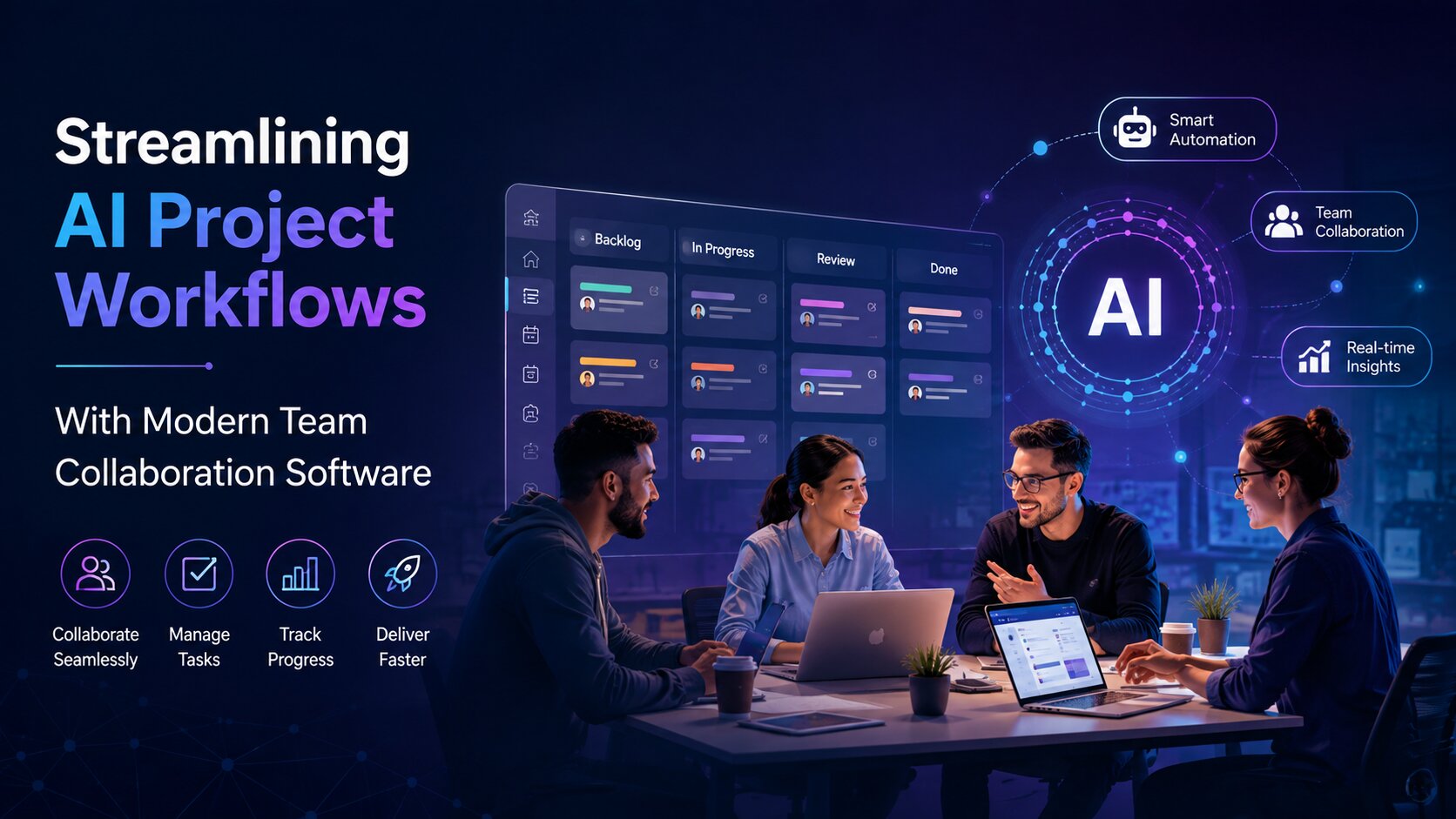
Streamlining AI Project Workflows With Modern Team Collaboration Software
The Hidden Costs of Fragmented Data Pipelines
Deploying artificial intelligence in a legacy corporate environment requires constant, real-time coordination across entirely different technical departments. When organizations force brilliant data scientists to communicate through outdated email threads, the entire machine learning pipeline grinds to a devastating halt. The harder companies fight to maintain siloed update methods, the faster their high-profile AI initiatives sink into operational quicksand.
Catching critical model errors and handling messy data pipelines demands direct, instant alignment. Internal IT leadership, data engineers, and third-party vendors must operate on the same wavelength. Often, companies bring in specialized talent to bridge the technical gap. Partnering with a dedicated ai development studio provides the high-level architectural scaffolding needed to transform legacy platforms without causing internal chaos. However, integrating external machine learning experts into an active sprint cycle creates massive communication silos if your team relies on disjointed messaging tools. Utilizing structured internal workspace channels serves as a total sanity-saver for exhausted product managers.
Traditional enterprise environments often function like rusted heavy machinery. They demand constant manual oversight, tedious status meetings, and exhausting email updates just to deploy a single code revision. Smart algorithms and neural network deployments completely break this rigid operational dynamic. But to make this transition work, communication tools must support high-speed iteration. Nobody wants to hunt through a massive inbox just to find the latest API documentation.
Industry data from enterprise tech surveys indicates a staggering 38% of cross-border software project errors stem directly from misread internal guidelines. That represents a massive, entirely avoidable liability. Fixing broken model logic or bad data pipelines post-launch drains engineering capacity incredibly fast. Getting it right on the first try relies heavily on secure project collaboration tools where engineers, product managers, and external vendors share context instantly.
Cracking the Version Control Nightmare
Version control and data lineage conflicts remain the absolute worst operational hurdles in enterprise artificial intelligence projects. Imagine a situation where external machine learning researchers train a predictive algorithm for three weeks on a massive dataset. Then, they suddenly realize the internal backend engineering team modified the underlying database schema without telling anyone. Ouch. That creates immediate technical debt and wastes thousands of dollars in server compute time.
Modern collaboration platforms solve this problem by integrating repository webhooks directly into central project channels. When data engineers commit updates to data pipelines, automated bots send immediate alerts to the shared workspace. AI developers immediately see schema alterations, feature updates, and API changes without asking. Transparent communication replaces assumptions.
Dr. Marcus Vance, a leading systems architecture researcher, highlights this exact operational necessity: "Disjointed internal communication platforms actively foster technical drift during enterprise AI integration. When external specialized agencies operate in isolated channels away from internal data engineers, architectural friction becomes guaranteed."
To prevent duplicated efforts, technical teams rely on specific workflow integrations:
- Centralized Code Review Alerts: Pushing continuous integration updates straight into designated developer chat rooms.
- Synchronized Annotation Loops: Connecting external data labelers with internal domain experts to resolve ambiguous data points on the fly.
- Automated Incident Routing: Forwarding real-time model drift warnings straight to the assigned data engineering squad.
- Centralized Security Logs: Tracking external consultant access and script deployment activities in a clean, auditable format.
By unifying code reviews and model deployment tracking inside a single internal communication software suite, enterprise organizations reduce compute overhead. They maintain consistent model performance across all production environments without burning out their core staff.
Agile Frameworks for High-Speed Deployment
Deploying machine learning models in complex enterprise environments requires a fully transparent operational blueprint. The most successful enterprise IT teams leverage highly agile methodologies backed by modern team collaboration platforms. Cross-functional units test, iterate, and refine algorithmic pipelines specifically for diverse business units without drowning in administrative noise.
Relying on pure guesswork or fragmented chat groups during a massive software overhaul is a total recipe for disaster. Data-driven operational insights must guide every strategic corporate move. Teams execute localized model testing in controlled staging environments to evaluate accuracy before pushing updates to global platforms.
Breaking down complex machine learning rollouts requires deliberate structure. Breaking complex model training tasks into distinct, trackable message topics prevents channel clutter. Integrating system monitoring bots into chat channels catches performance drift the second it happens. Pinning API documentation, data schemas, and security guidelines right inside everyday project channels gives new hires instant context. Evaluating sprint communication metrics during retrospectives optimizes future algorithm deployment speed.
It simply makes great business sense. By removing communication friction between core engineers and external specialists, enterprises build agile workflows that turn raw data into a reliable competitive advantage. The days of waiting 48 hours for a data access approval are over.
Managing Hardware Acceleration Budgets
Enterprise machine learning models demand immense computational resources. They frequently rely on expensive cloud-based GPU clusters and specialized hardware accelerators. Managing these hardware infrastructure pipelines requires constant coordination between cloud infrastructure engineers, MLOps specialists, and software developers. Leaving GPU instances running idle due to poor communication between development shifts can balloon cloud infrastructure budgets rapidly.
Modern team collaboration platforms function as operational control towers for cloud infrastructure orchestration. Infrastructure leads set up automated monitoring bots that post real-time resource utilization metrics directly into system channels. When compute jobs complete or GPU utilization drops below optimal thresholds, automated chat alerts notify engineering teams to terminate idle nodes or trigger the next training batch.
Additionally, when cloud infrastructure encounters unexpected capacity limits or hardware failures during long model training runs, system bots broadcast immediate alerts to on-call MLOps engineers. The team can adjust cluster allocations or re-route training tasks directly from integrated mobile chat apps. Managing infrastructure bottlenecks in real time saves thousands of dollars in wasted cloud spend while keeping development timelines firmly on schedule. You simply cannot scale AI if your cloud bills are entirely unpredictable.
Overcoming Institutional Data Silos
Information hoarding severely cripples organizational agility during technical transformations. Different departments routinely trap critical metrics inside isolated software applications. Marketing teams hold customer behavior records, sales teams hoard interaction logs, and supply chain managers track logistics in completely separate databases. Building a smart prediction model requires feeding it holistic data, which means those walls have to come down.
Intelligent workplace communication tools break down these invisible corporate walls organically. By centralizing daily discussions and connecting third-party analytics dashboards directly into team channels, enterprise managers gain a unified view of operational health. Cross-functional teams no longer operate in the dark, hoping their separate data strategies somehow align by pure luck.
Fragmented internal communication does more than delay software rollouts. It actively cultivates structural vulnerabilities across cross-functional enterprise projects. A prominent European financial group recently managed to reduce their operational bottlenecks by 45% within a single fiscal year. They achieved this milestone by completely overhauling their internal communication strategy. By creating shared project channels for their internal engineering staff and external data consultants, they eliminated disparate communication tools completely. The daily stress of chasing misplaced API specs simply vanished.
When external beta testers and regional QA teams drop live bug reports into designated channels, developers can filter bug submissions by severity. They route urgent hotfix tickets to the responsible platform engineers instantly. Rapid iteration during beta cycles builds strong community goodwill and ensures launch-day software stability.
Ensuring Regulatory Compliance in Real Time
Deploying machine learning systems in regulated sectors like finance, healthcare, and retail requires strict adherence to global data privacy laws. Compliance frameworks such as GDPR, HIPAA, and emerging artificial intelligence governance guidelines enforce heavy penalties for unauthorized data exposure or algorithmic bias. Missing a key privacy requirement during model training can halt an enterprise software rollout entirely.
Using modern workplace productivity tools allows enterprise teams to maintain continuous compliance monitoring. Organizations create dedicated channels for legal counsel, data privacy officers, and machine learning engineers. When specialists identify compliance risks in training datasets or model outputs, they post annotated reports and policy updates directly into active development threads.
For example, if a training dataset contains unmasked personally identifiable information, a privacy reviewer drops an alert straight into the data pipeline channel. The engineering lead halts the training pipeline immediately, avoiding catastrophic regulatory fines. Keeping compliance discussions inside searchable channels creates a permanent audit log, giving executives total confidence during external regulatory audits. You never want to explain a compliance breach that could have been avoided with a simple Slack message.
Real-World AI Deployment Rescues
Examining real enterprise operational shifts demonstrates the undeniable value of connected communication setups. Theoretical advice only goes so far - actual deployment metrics tell the real story.
A major European financial institution integrating automated fraud detection models faced severe project delays. Model updates took nearly five months to move from research environments to live deployment because teams relied on unorganized email threads. After migrating to a centralized team communication platform with secure guest channels for external data science consultants, deployment speed accelerated dramatically. Dedicated channels linked data engineers, risk analysts, and external developers in real time. Automated continuous integration bots alerted teams instantly when model accuracy benchmarks passed verification tests. This structural transition reduced deployment review cycles by 45%.
In another case, an international logistics provider saved an estimated $40,000 in redundant cloud compute costs in just two months. By configuring automated compute-cluster alerts inside project channels, MLOps engineers caught stalled training runs within minutes. Previously, they were letting idle GPU clusters run unmonitored over entire weekends. Real-time collaboration ensured immediate problem resolution.
Finally, a North American healthcare startup struggled with high employee turnover in their data labeling department. The team felt disconnected and overwhelmed by ambiguous medical imaging guidelines. By establishing a dedicated "labeling-questions" channel where junior annotators could instantly ping senior radiologists for clarification, annotation accuracy jumped from 78% to 94%. The conversational friction disappeared.
Securing Intellectual Property With External Partners
Protecting corporate intellectual property remains a top priority when collaborating with external technology partners. Proprietary datasets, trade secrets, and custom algorithm weights represent massive capital investments. They must be protected against unauthorized access. Bringing external technical agencies or independent data consultants into project workflows requires enterprise-grade security architecture.
Modern team collaboration tools provide advanced security controls designed to safeguard corporate assets while encouraging productive teamwork. IT administrators configure granular access privileges, ensuring external partners access only assigned project channels and specific documentation.
Key security measures that safeguard enterprise AI initiatives include:
- Granular Guest Access Controls: Restricting vendor permissions strictly to relevant channels without exposing internal network structures.
- Encrypted Data Exchanges: Utilizing end-to-end encryption for API keys, model specifications, and internal architecture documentation.
- Mandatory Multi-Factor Authentication: Enforcing secondary authentication protocols for remote employees and external technical contractors.
- Automated Document Retention Policies: Clearing temporary data files and access keys from chat rooms once projects conclude.
Implementing secure collaboration software enables enterprises to partner with leading external talent without compromising corporate security. Leadership operates with complete peace of mind knowing proprietary systems remain fully protected throughout the entire project lifecycle.
Architecting Scalable Enterprise Synergy
Maintaining a competitive edge in today's digital landscape requires relentless, unapologetic operational efficiency. Disjointed messaging apps and chaotic email chains firmly belong in the past. Enterprise IT teams that optimize their remote team management tools naturally outpace sluggish competitors who struggle with fragmented internal communication.
Building a flexible, borderless production pipeline guarantees long-term technical stability. The deployment strategy is crystal clear. Provide your engineering staff with top-tier workplace productivity tools, maintain clear communication channels with specialized external partners, and tear down internal data silos. When information flows freely between machine learning models and the humans managing them, your enterprise software infrastructure will thrive at an unprecedented scale.
Conclusion
Secure team communication is no longer just a way for employees to exchange messages—it is an important part of building a connected, productive, and resilient workplace. When teams can share information instantly, coordinate across departments, and keep important discussions within secure, centralized channels, they can reduce communication gaps and make better decisions.
For organizations working with sensitive data, external partners, or distributed teams, security becomes equally important. Features such as granular access controls, encrypted data exchanges, multi-factor authentication, and document retention policies help protect valuable information while keeping collaboration efficient.
By combining secure communication with structured collaboration workflows, businesses can break down data silos, improve transparency, respond to issues faster, and create a stronger foundation for long-term workplace collaboration.
Frequently Asked Questions
Q. Why is secure team communication important for workplace collaboration?
A: Secure team communication helps employees share information and coordinate work while protecting sensitive business data. It also reduces communication gaps and keeps important project discussions organized in centralized channels.
Q: How does secure communication improve team productivity?
A: It allows teams to exchange updates quickly, access relevant information, and resolve issues without relying on lengthy email chains or disconnected communication tools. This can make day-to-day collaboration more efficient.
Q: What security features should a team communication platform have?
A: Important security features include granular access controls, encrypted data exchanges, multi-factor authentication, and document retention policies. These controls help organizations protect sensitive information while collaborating internally and externally.
Q: Can secure communication tools support external partners?
A: Yes. Secure collaboration platforms can provide controlled access to external consultants, vendors, and partners. Administrators can restrict their access to specific project channels and relevant information without exposing the organization's entire communication environment.
Q: How can secure communication reduce workplace data silos?
A: Centralized communication channels allow different departments to share updates, discussions, documents, and relevant information in one workspace. This makes it easier for cross-functional teams to maintain context and work toward common objectives.
Q: Does secure team communication help remote and distributed teams?
A: Yes. Centralized and secure communication gives remote and distributed employees a consistent place to exchange updates, collaborate on projects, and respond to issues in real time, regardless of where team members are located.