Connect with us
Why Real-Time Collaboration is Essential for Successful Preventive Maintenance Schedules
Collaboration among team members is an essential aspect of every successful business. Through this practice, employees can come together and share their ideas and expertise. It also enables them to collaborate effectively on various tasks, ensuring work is completed accurately and on time.
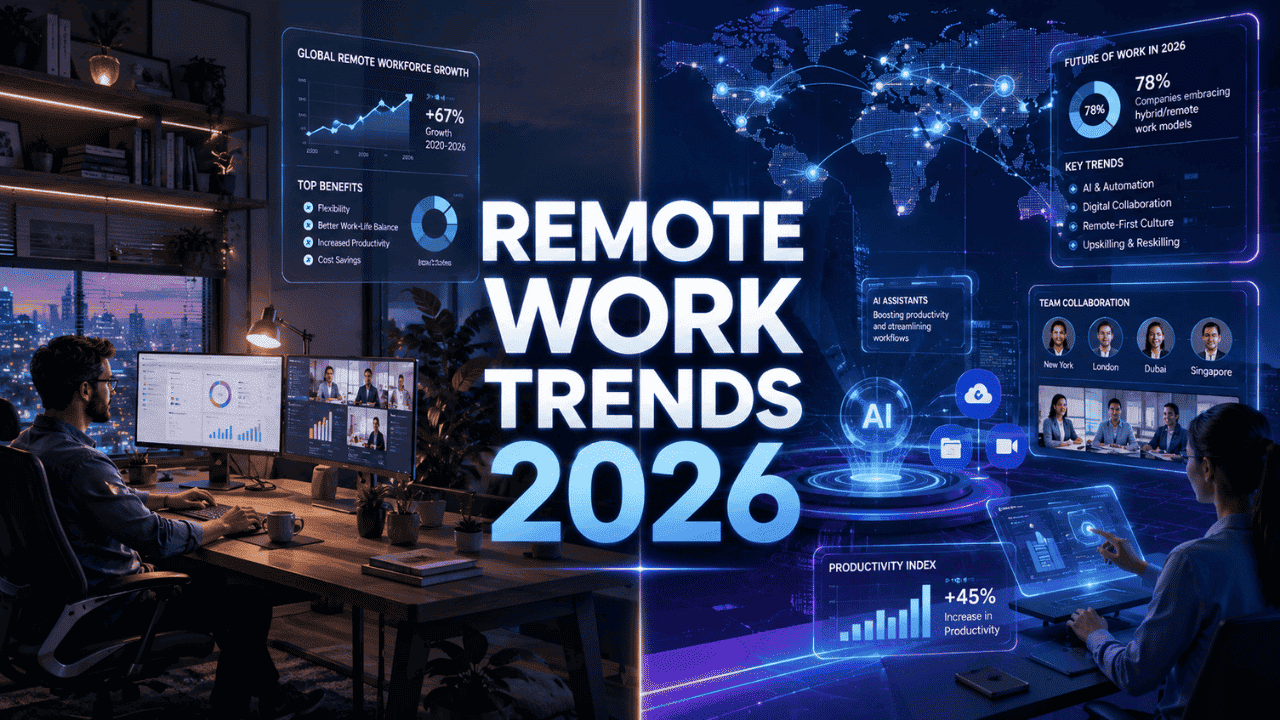
Through real-time collaboration in preventive maintenance, stakeholders can carefully plan the maintenance schedule and execute it successfully. Preventive maintenance software that offers real-time collaboration allows employees to communicate with each other. This reduces the chances of accidents and ensures that the task is completed efficiently. If you are looking for software to streamline your preventive maintenance operations, real-time collaboration is an important feature to look for. But why is real-time collaboration vital? Let us look at it in the article below:
What Is Preventive Maintenance?
Preventive maintenance is all about taking proactive steps to maintain the physical assets of your organization. In this process, you go through timely inspection and maintenance of the equipment in your facility to ensure that they run optimally at all times. This approach prevents unexpected breakdowns and keeps the vital processes running smoothly.
Although this approach has a rather high recurring cost, its long-term benefits outweigh this disadvantage. When an organization buys a physical asset, it adds an additional maintenance expense of the asset to its overall budget. Every asset requires regular maintenance to keep it running smoothly. In preventive maintenance, stakeholders schedule maintenance tasks after a specific time or usage. We can compare this approach to routine health checkups, where we invest our money to ensure our well-being. Preventive maintenance uses the same principles, but for physical assets and machinery.
What Is Real-Time Collaboration in Preventive Maintenance?
Effective team communication and collaboration are essential for every business. In organizations where preventive maintenance is mandatory, this approach helps employees share insights and work together to achieve the same goal.
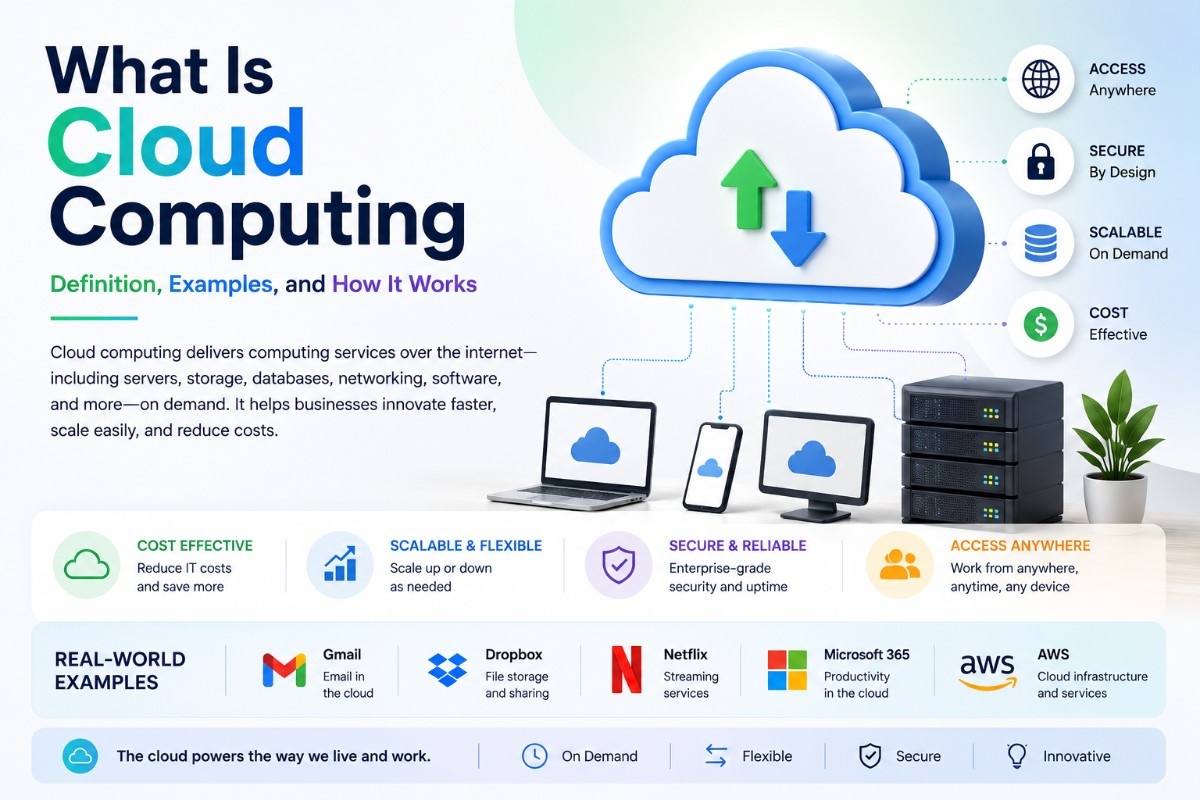
A cloud-based maintenance management system, or CMMS, facilitates instantaneous information exchanges between maintenance teams through real-time collaboration. The team can instantly update work orders, report issues, share documentation, and communicate status changes.
By ensuring complete team alignment, this process mitigates the risk of operational failures and accidents. In the section below, we will explore the details of why real-time collaboration is important for preventive maintenance.
Significance of Real-Time Collaboration in Preventive Maintenance
Real-time collaboration in preventive maintenance leads to efficiency and reduces the risks of accidents and failure. It also streamlines workflow and facilitates creativity. Here is how it helps maintenance teams:
1. Teams Are Able to Work More Efficiently:
The most evident advantage of real-time collaboration is speed, which leads to overall work efficiency. When employees exchange information in real-time, everyone stays informed about all the developments. So if a maintenance task takes place in parts, the following employees are well aware of the current status. They don’t have to go through confusing files and documents to understand the present condition, helping save a lot of time. The maintenance team can simply update the status on the CMMS tool instead of sending data and files about the maintenance operations tasks to each involved employee.
2. Eliminates Communication Gap:
Miscommunication in the workplace can lead to major accidents, some of which can even be life-threatening. Delayed updates, missing information, or unclear instructions can lead to skipped tasks or repeated work, resulting in operational disruption.
Through real-time collaboration, all stakeholders have access to the same up-to-date information, reducing the chances of errors and misunderstandings. Even with real-time collaboration, miscommunication can still happen. However, it helps in instant resolution and promotes a sense of unity and team spirit among all parties involved.
3. Enables Faster Issue Identification and Resolution:
Through real-time collaboration, technicians can report any abnormalities or potential failures quickly. This enables supervisors to take action before minor abnormalities escalate into big problems.
Also, with the help of collaboration, the team can approach the problem with different perspectives and find an effective solution faster. Stakeholders can leverage the unique skill sets and expertise of different employees for better problem resolution.
4. Enhances Transparency and Accountability:
Real-time collaboration improves both transparency and accountability and overall team performance. Transparency across the maintenance team is important for accountability as well as operational efficiency. Through transparency, managers can monitor the work status, track completion times, and ensure compliance with the preventive maintenance plans.
This visibility also encourages accountability. Everyone clearly understands their role in the maintenance process and is ready to take prompt action if something goes wrong.
5. Improves Safety and Compliance:
Following safety procedures and compliance requirements is important in maintenance operations. Through real-time collaboration, technicians have instant access to safety guidelines, checklists, and compliance documentation. Also, they are immediately informed about any potential hazards that prevent accidents and regulatory violations.
Conclusion
A successful preventive maintenance schedule depends on more than just efficient planning. It requires execution, for which employees need to clearly communicate with each other. Through real-time collaboration, employees can communicate and collaborate effectively with each other, resulting in faster decision-making, reduced errors, and enhanced visibility.