Connect with us
How AI Automation is Rewriting the Rules of Team Productivity in 2026
Team messaging has come a long way from the basic chat apps of a decade ago. Back then, the goal was simple: get everyone on the same page quickly. In 2026, that baseline expectation feels almost quaint. Today's high-performing teams aren't just communicating—they're operating inside intelligent systems that anticipate needs, eliminate busywork, and turn raw conversation into measurable progress.
The shift isn't hype. It's the natural evolution of tools that now understand context, learn from patterns, and execute routine tasks without constant human prompting. Pure messaging platforms still have their place, but they no longer define productivity. What matters now is how seamlessly AI weaves into the daily rhythm of work—capturing decisions, automating processes, and keeping distributed teams moving without friction.
Smart Scribing and Automated Meeting Notes
Meetings remain the backbone of alignment, yet they’ve historically been productivity black holes. You join, discuss, then scramble afterward to reconstruct what was actually decided. In 2026, that friction is disappearing.
AI-powered meeting tools now join calls silently, transcribe with remarkable accuracy, and generate structured notes in real time. They don’t just dump everything into a transcript. They identify action items, flag open questions, tag responsible owners, and even suggest follow-up tasks that integrate directly into project boards or task lists.
The best part? These systems get smarter with your team over time. They learn your industry jargon, recognize recurring project themes, and surface insights you might have missed at the moment. For distributed teams juggling multiple time zones, this means no more “Can someone send the notes?” messages at odd hours.
What’s particularly powerful is the rise of advanced AI-native scribes that go beyond basic transcription. These tools understand nuance—distinguishing between brainstorming and firm commitments—and can generate executive summaries tailored for different stakeholders. A developer gets technical details; leadership gets strategic impact.
Teams using these capabilities report cutting meeting follow-up time by more than half. Instead of spending the first 15 minutes of the next call recapping the last one, everyone starts from the same clear, shared understanding.
Building Custom Internal Workflows Without the Coding Bloat
One of the biggest productivity killers isn’t lack of ideas—it’s the gap between identifying a process improvement and actually implementing it. Traditional automation required developers, complex scripts, or expensive consultants. That barrier is crumbling.
Modern collaboration platforms now let teams build sophisticated workflows using visual logic and natural language prompts. Want to automatically route support tickets based on sentiment analysis? Or trigger budget approvals when certain keywords appear in proposals? These processes can be live in minutes, not weeks.
The key is keeping it simple without sacrificing power. You describe the desired outcome, and the system suggests the underlying logic. No need to map every conditional branch manually unless you want to fine-tune it.
This is where modern full-stack builders shine. They connect your collaboration hub to the rest of your tech stack—CRMs, project management tools, HR systems, even internal databases—creating end-to-end automation that feels invisible until you notice how much smoother things run.
Imagine a sales deal closing in your CRM. The platform can automatically create the right channels for onboarding, assign tasks to implementation teams, schedule kickoff meetings, and notify finance—all without anyone manually updating multiple systems. The automation layer sits on top of your communication, making every conversation more purposeful because the administrative overhead has already been handled.
Keeping System Resources Optimized for Remote Teams
AI features are powerful, but they come with a hidden cost if not implemented thoughtfully: device performance. Remote workers, especially those on laptops in the field or with limited access to power, can’t afford background processes that chew through battery life or slow down their machines.
Smart platforms handle AI tasks with efficiency in mind. They process heavy lifting in the cloud where possible, use on-device intelligence only for privacy-sensitive or low-latency needs, and include clear controls for resource usage.
This matters more than ever as hybrid and remote work solidifies. Your team members might be working from coffee shops, client offices, or home setups with varying hardware capabilities. Background apps must be safe from system battery drain so people can focus on work instead of constantly monitoring their laptop’s power level or closing applications to stay responsive.
Look for solutions that offer transparent resource monitoring, scheduled syncs, and lightweight modes for mobile or lower-spec devices. The best tools also respect user preferences—letting individuals decide when certain AI features run rather than forcing constant activity.
When AI automation respects device constraints, it stops being another corporate tool that drains resources and starts feeling like a genuine productivity partner.
The Cross-Platform Future of Collaboration
In 2026, the winning collaboration platforms don’t force teams into rigid ecosystems. They act as intelligent hubs that work wherever your people are—desktop, mobile, tablet, or even browser-based environments.
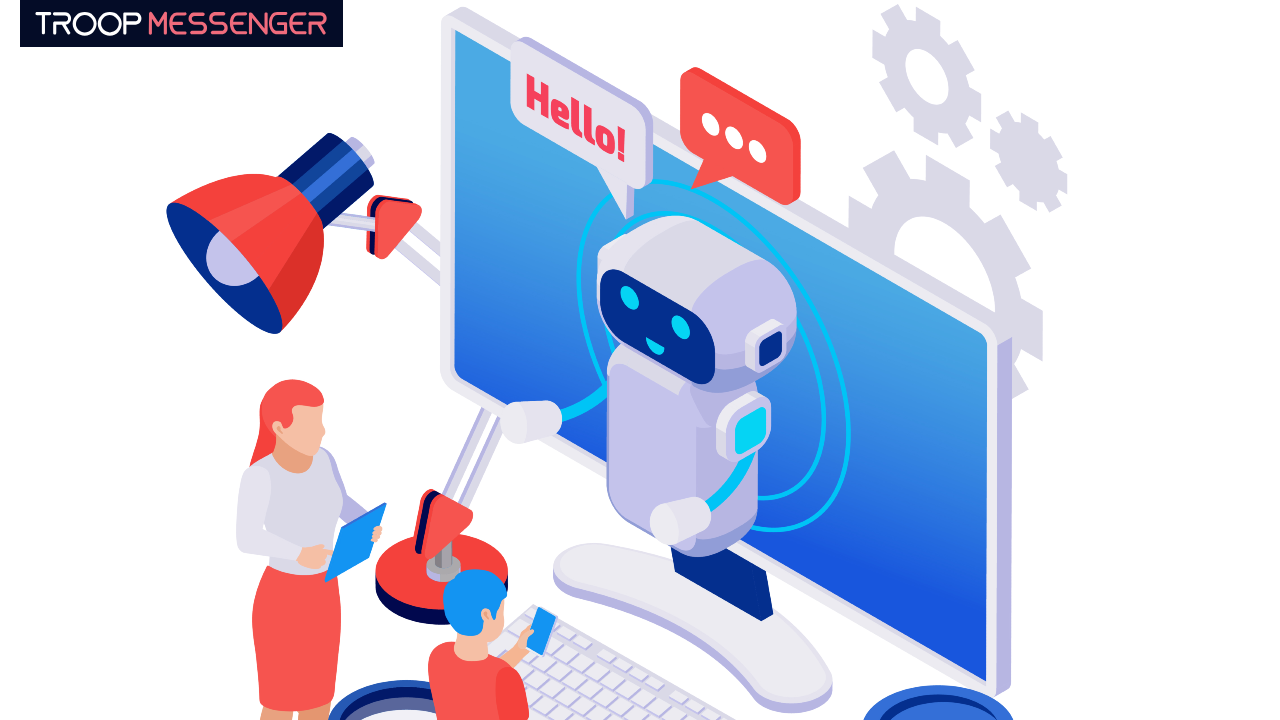
Troop Messenger exemplifies this approach. It combines reliable messaging with AI automation layers that enhance rather than replace human connection. Features like smart channel organization, automated summarization, workflow triggers, and cross-device continuity create an environment where technology supports work instead of dictating it.
The platform’s strength lies in its balance. It offers powerful AI capabilities without overwhelming users with complexity. Teams can start simple—with better search, threaded conversations, and meeting integrations—and gradually layer on more sophisticated automation as their needs evolve.
This flexibility is crucial because no two teams operate identically. What works for a 50-person startup differs from a 500-person enterprise. Cross-platform tools that adapt to both scale and individual working styles give organizations room to grow without painful migrations later.
Moving Forward: Practical Steps for Your Team
The AI automation wave isn’t coming—it’s already here. The question is whether your team will harness it deliberately or let fragmented tools create more chaos.
Start by auditing your current meeting and workflow bottlenecks. Where are repetitive tasks eating up time? Which decisions get lost between conversations and execution? Pick one area—perhaps meeting notes or a specific recurring process—and implement targeted automation first.
Look for platforms that offer:
- Transparent AI behavior with easy opt-outs
- Strong data privacy controls
- Seamless integration with tools you already use
- Resource-efficient design for real-world remote work
- Room to scale from basic to advanced automation
The most productive teams in 2026 aren’t necessarily the ones using the most AI features. They’re the ones using AI thoughtfully—amplifying human strengths while removing friction from routine work.
As collaboration tools continue evolving, the winners will be platforms that combine reliable communication with intelligent automation, all while respecting the practical realities of how people actually work. Those that get this balance right won’t just improve productivity metrics. They’ll make work feel more human, focused, and purposeful.
The rules have changed. Teams that adapt thoughtfully will find themselves operating with a level of clarity and efficiency that once seemed impossible. The technology exists today. The real opportunity lies in implementing it wisely.